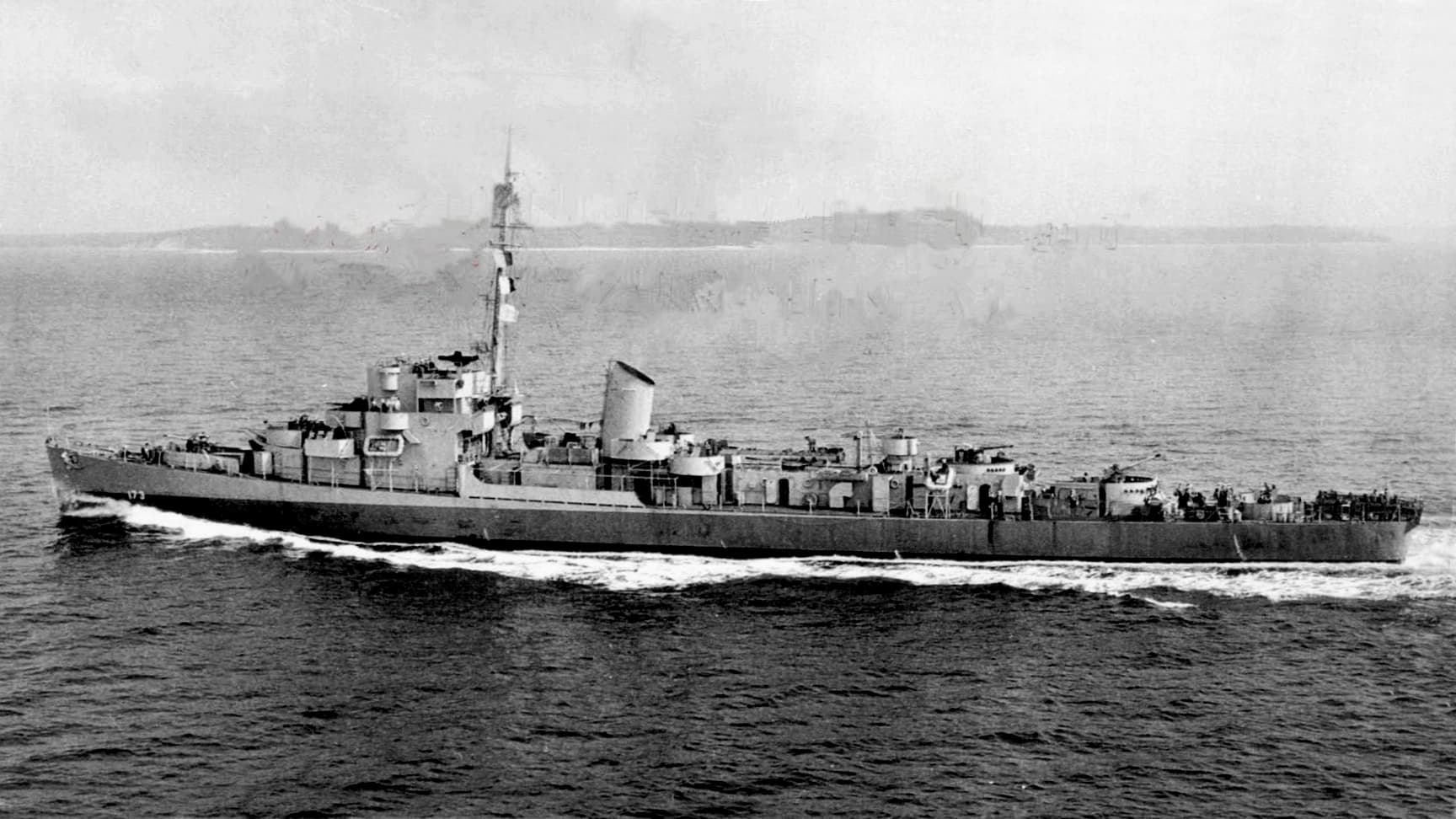
Some conspiracy theories are built on a total absence of evidence. This one is stranger, because it's built on something that genuinely exists — a real warship, with a real name, that you can find photographs of. That single grain of fact is what let the legend grow into one of the twentieth century's great military conspiracy stories. The claim: that on an October day in 1943, the U.S. Navy made a warship vanish. Not just from radar — from human sight, and then from that location entirely. This file walks through the legend as it's told, and then opens the ship's own logbook, where the story quietly falls apart.
The Legend
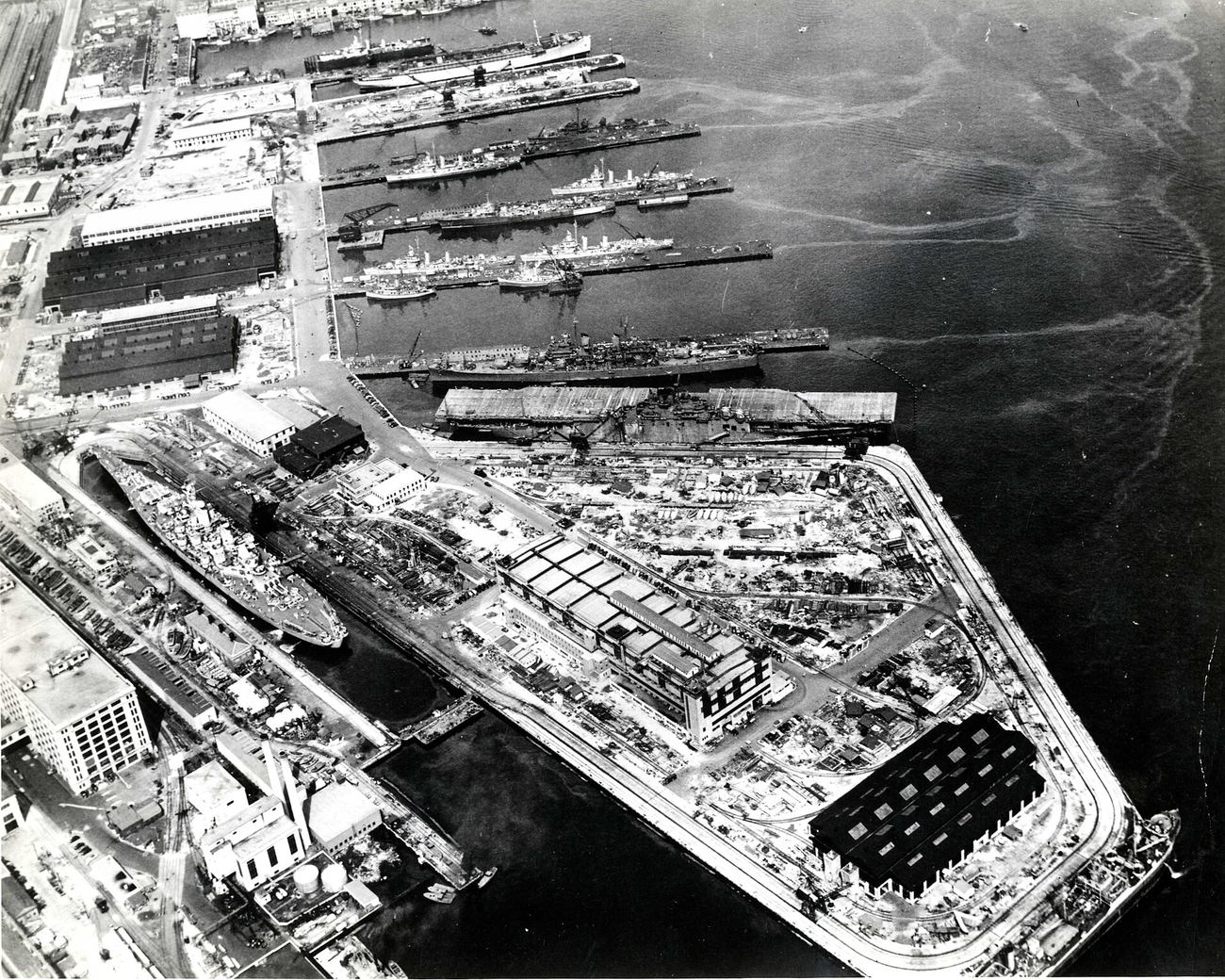
The date given is October 28, 1943, at the Philadelphia Naval Shipyard, with the Second World War at full pitch. As the story goes, enormous generators were fired up around a single warship — the destroyer escort USS Eldridge — with one goal: to make the ship invisible to enemy radar.
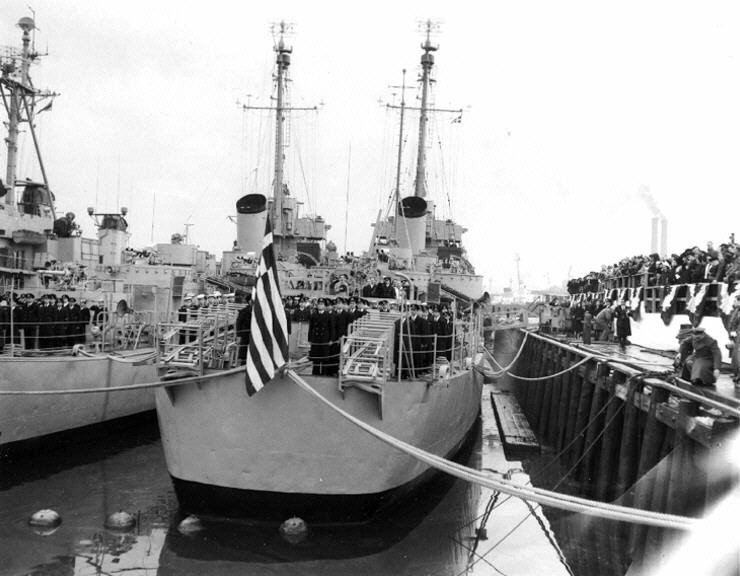
According to the legend, the experiment worked. It worked too well. A greenish mist is said to have risen around the hull, and then the Eldridge vanished not just from radar screens but from the eyes of everyone watching — the ship disappeared. And at that same moment, hundreds of kilometers away at the naval base in Norfolk, Virginia, the missing ship was supposedly sighted for a few minutes before returning to Philadelphia. Teleportation, in other words.
But the horror of the legend isn't the ship — it's the crew. When the Eldridge returned, the story claims, sailors were found in unspeakable states. Some had gone mad. Others, it's said, were discovered with their bodies fused into the steel deck of the ship — living flesh and metal merged into one. Later versions of the tale added still more: a sailor who walked through a wall, another who vanished mid-argument in a bar. It is a genuinely disturbing story. It is also, as we'll see, almost certainly not true.
Where the Story Actually Came From
The legend did not come from the Navy, or from any crew member, or from any document of the era. It came from letters. In 1955, the U.S. Office of Naval Research received a strange package — a book on UFOs, its margins crammed with handwritten annotations in multiple ink colors, full of commentary about aliens and teleportation. It was signed, in effect, with an eccentric flourish rather than a real return address.

What pulled this case into my files was not the vanishing ship. It was the annotations. I have spent a fair amount of time with the reproduced pages of that marked-up UFO book, and the thing that stays with me is the ink — the way the handwriting changes colour mid-sentence, as though the writer had been arguing with himself across weeks and kept picking up whatever pen was nearest. Most hoaxes I catalogue are economical. This one is exhausting. Whatever Carl Allen was doing, he was not doing it for an audience.
The following year, letters began arriving to the book's author, an astronomer named Morris Jessup. The writer called himself Carlos Allende (also known as Carl Allen). He claimed that in 1943 he had personally witnessed, from the deck of a nearby ship, the Eldridge disappear — and he described the fate of the crew in vivid, specific detail. Jessup at first ignored him, but the letters kept coming, dozens of them.
Then one genuinely odd thing happened, and it is the single detail that keeps skeptics from dismissing the whole affair out of hand. The Office of Naval Research reportedly took that annotated, scribbled-in UFO book and produced a small internal print run of it. Why a government body would bother to reproduce a crank's marked-up paperback is a question the story has never cleanly answered — and for conspiracy theorists, it was the perfect hook. Tie in Einstein's unified field theory and Nikola Tesla's electromagnetic research (as later storytellers did), and by 1984 the Philadelphia Experiment was a Hollywood film.
Opening the Logbook
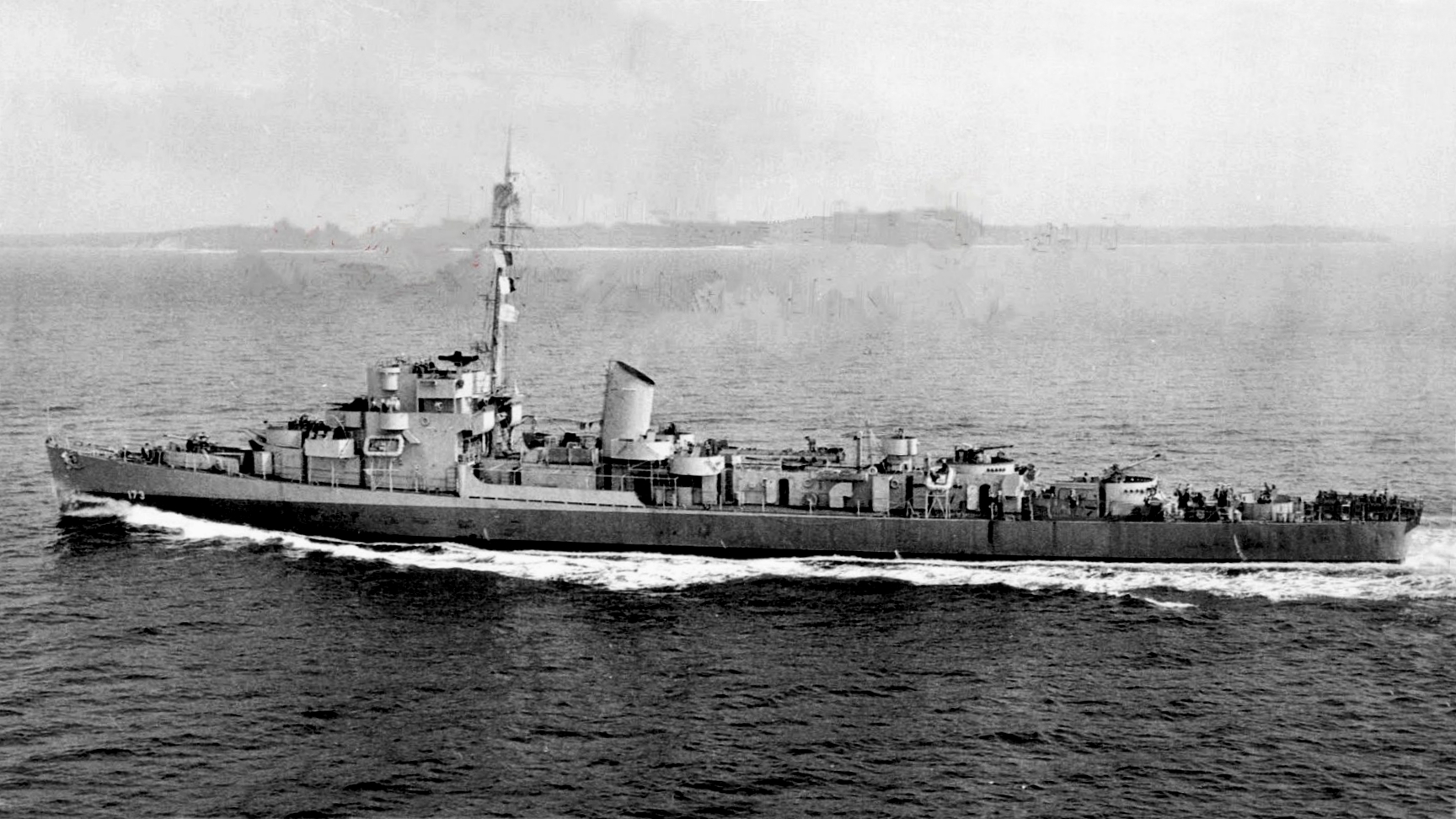
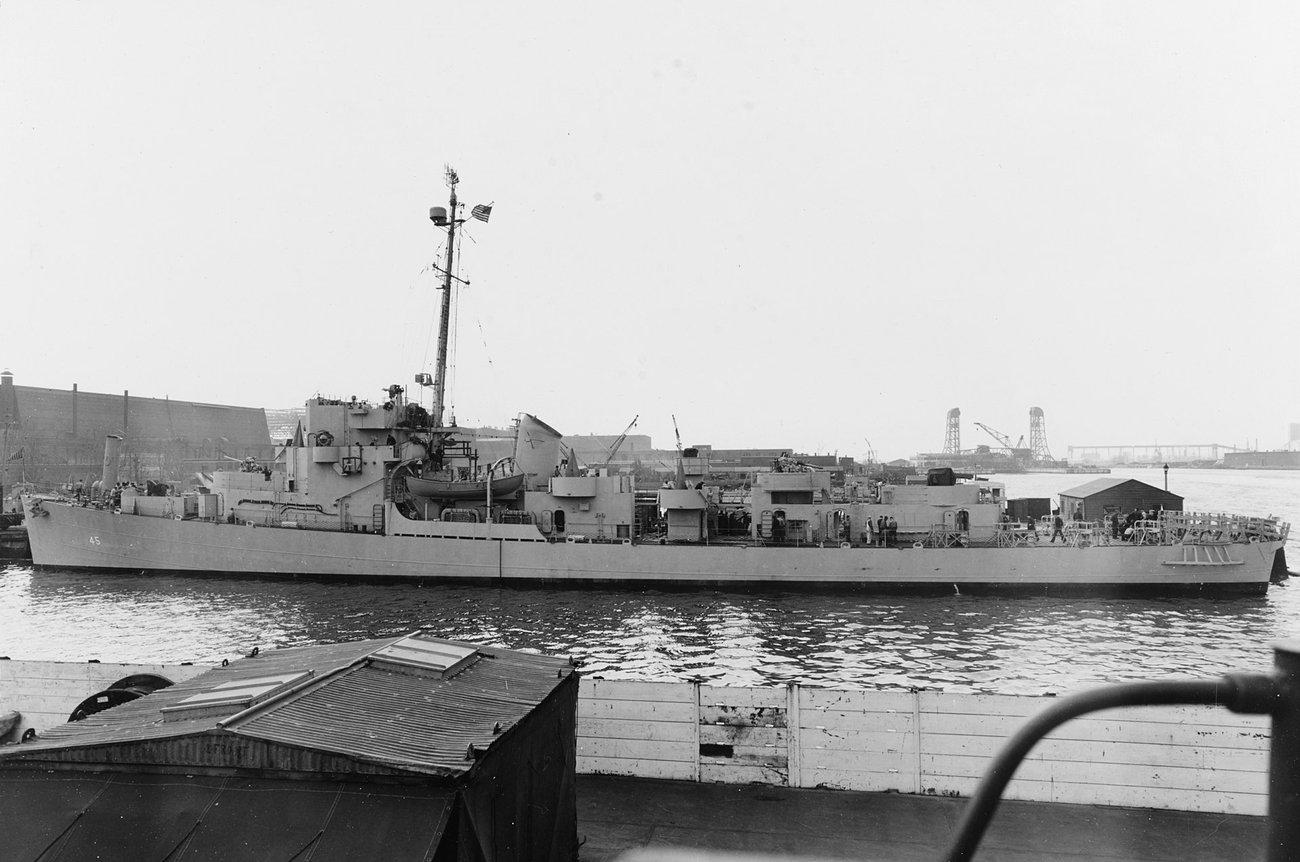
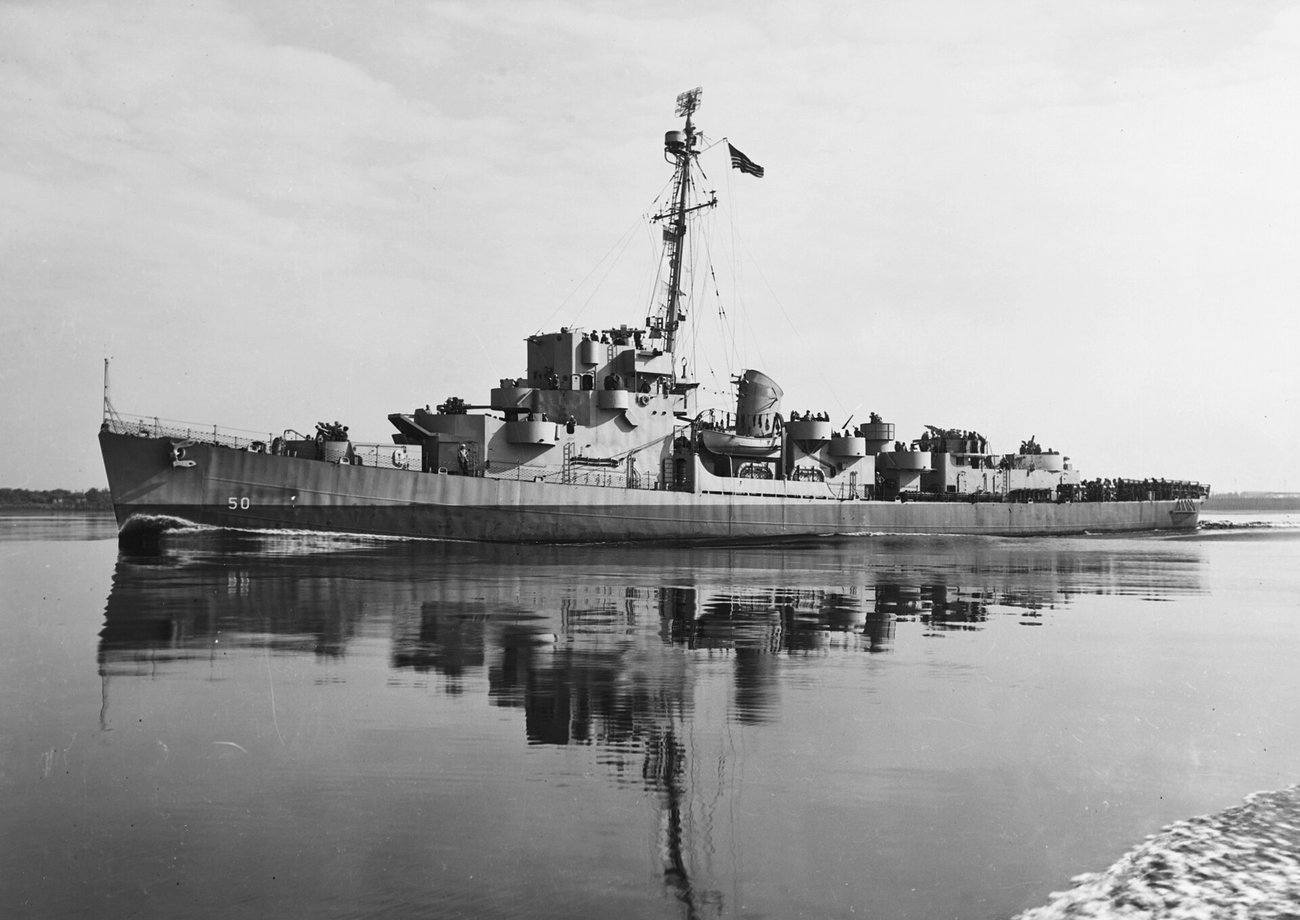
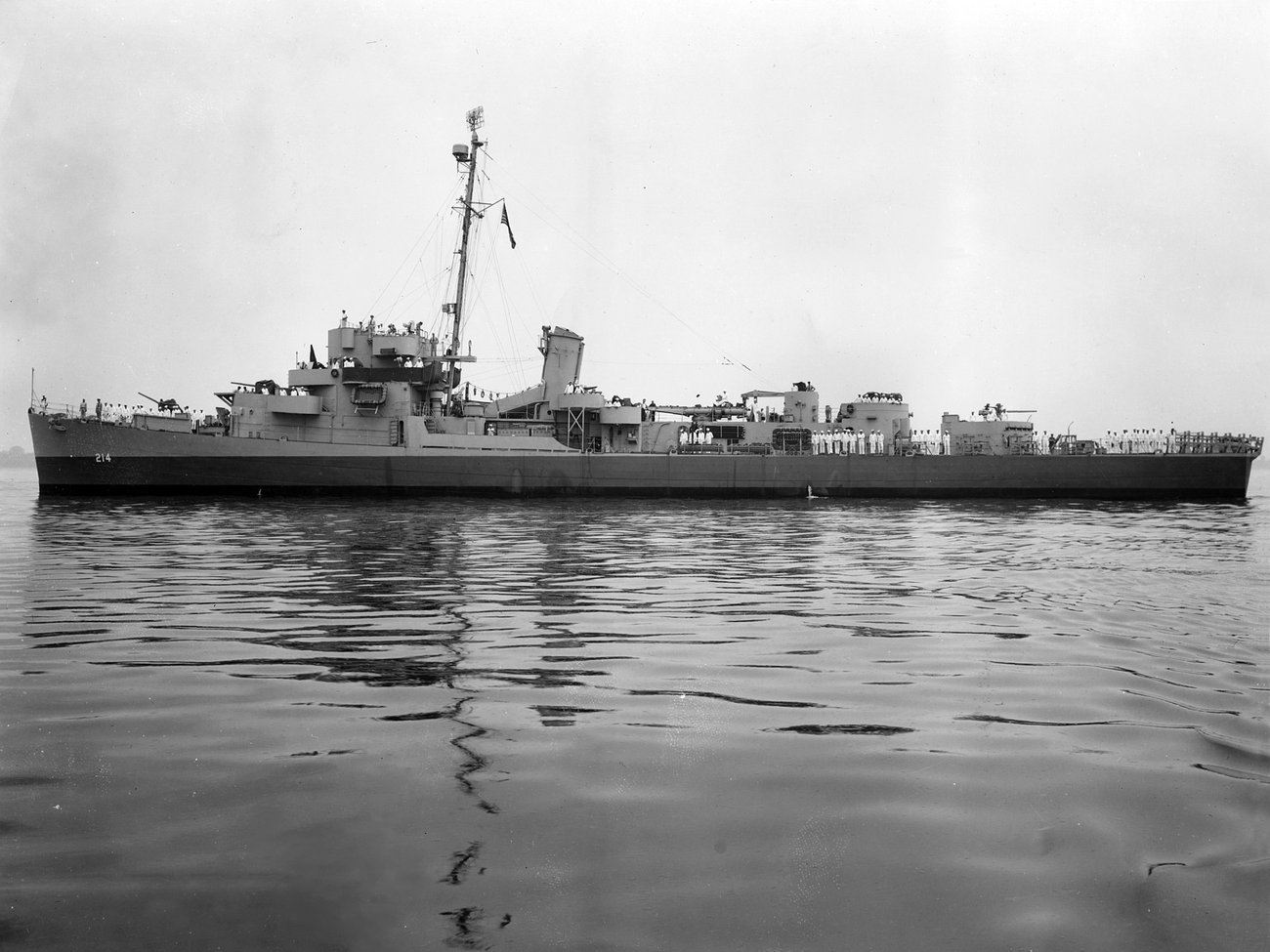
Now the part where the legend meets the record. Start with what's true: the ship was real. USS Eldridge (DE-173) was a genuine destroyer escort, commissioned in 1943, and photographs of it survive. That real ship is the foundation the whole myth was built on.
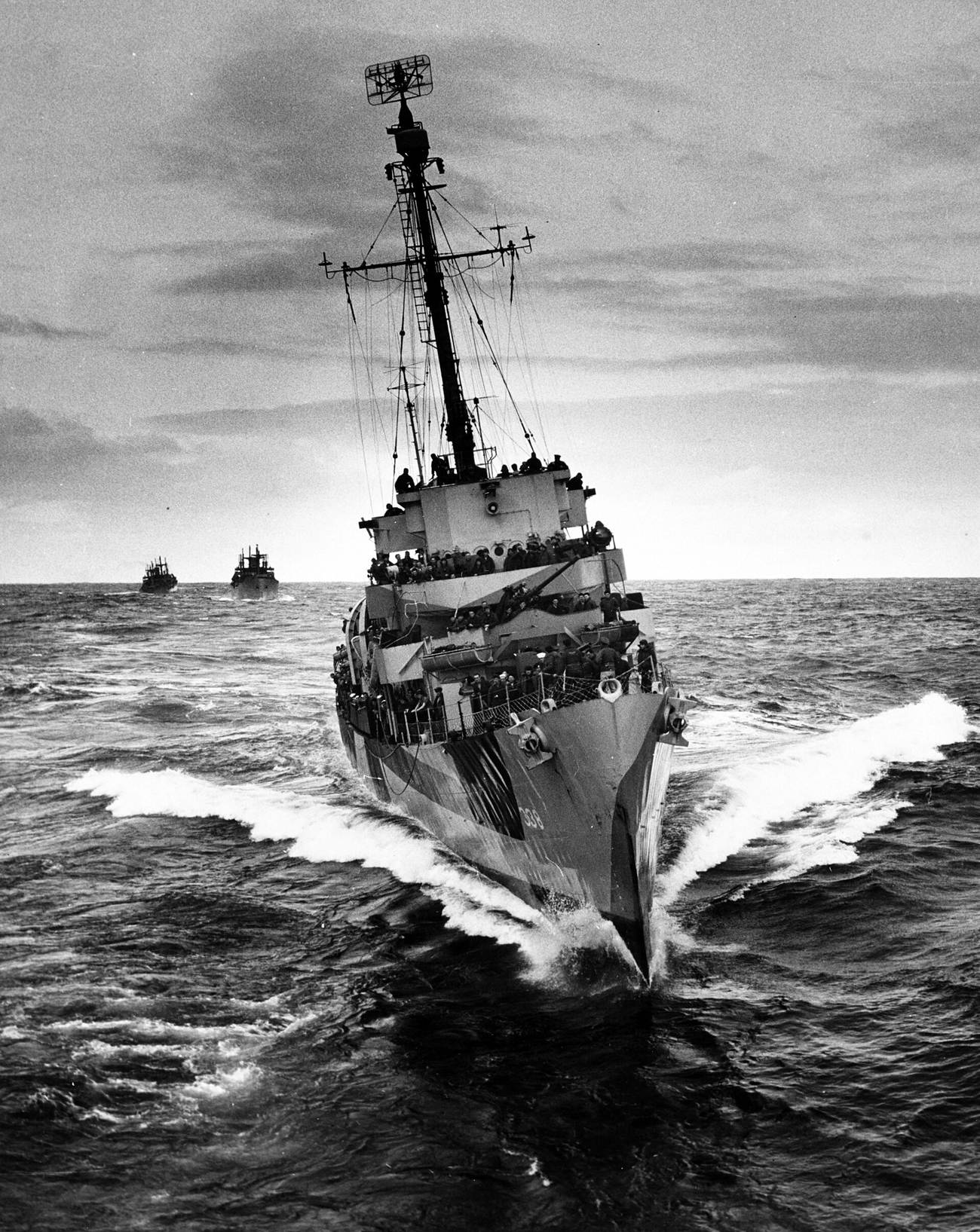
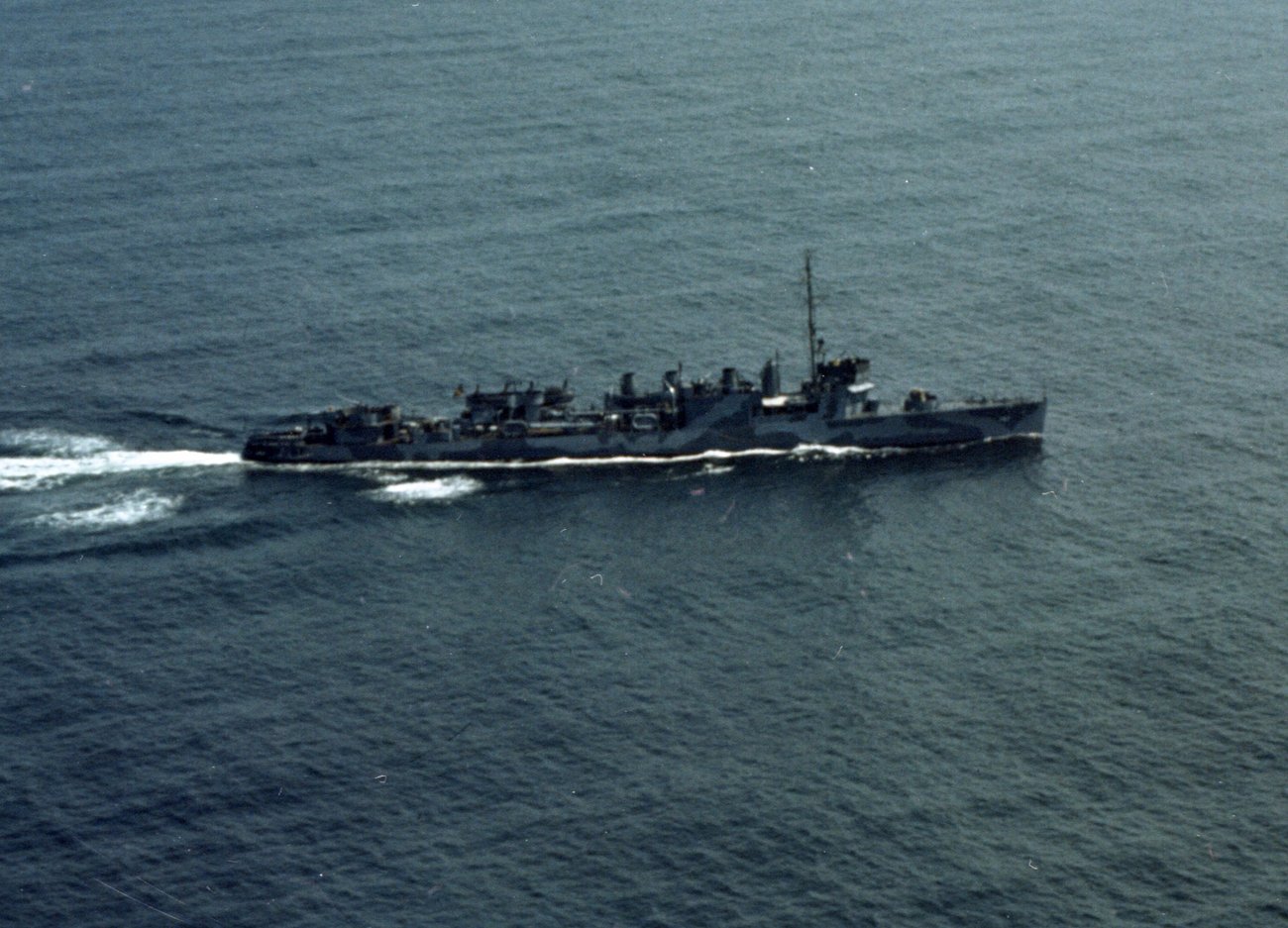
But open the Eldridge's actual navigational logs and the story collapses. On October 28, 1943 — the supposed date of the miracle — the Eldridge was not in Philadelphia at all. Its records place it in New York. According to the logbook, the ship never put into Philadelphia during this period at all. The one anchor of the entire legend — the ship, at that shipyard, on that day — simply isn't there in the record.
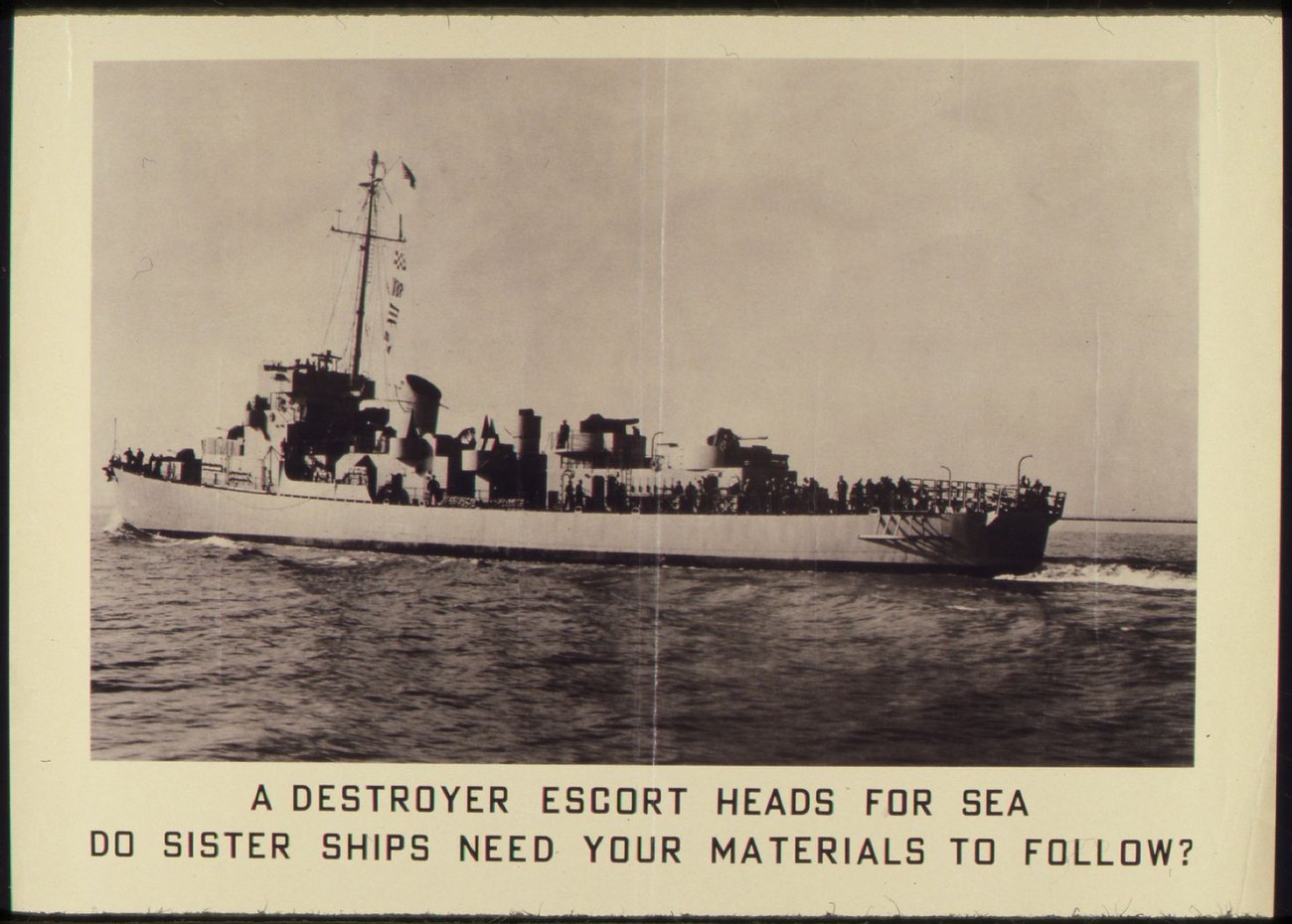

And the men who were aboard said so themselves. In 1999, surviving crew members of the Eldridge held a reunion and spoke to a local newspaper, stating plainly that their ship had never even been to Philadelphia. The people best positioned to know flatly denied the story.
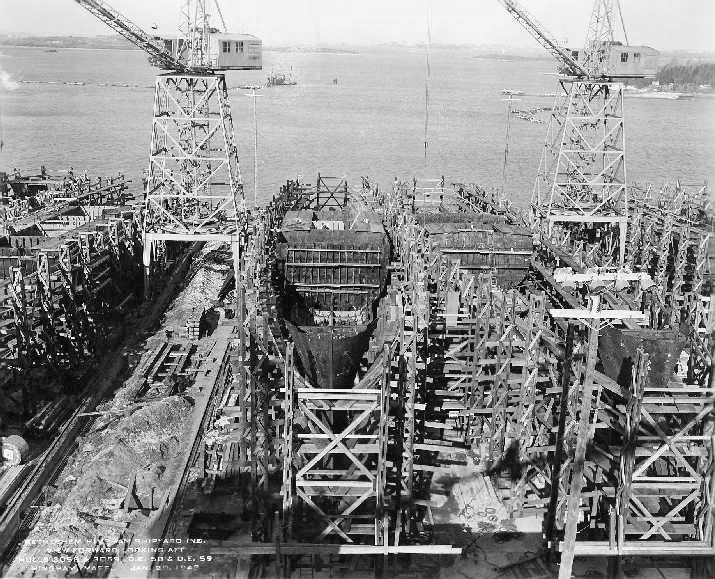
There was a real experiment at the shipyard in that era — just not a magical one. It was degaussing: the process of neutralizing a ship's own magnetic field so it wouldn't trigger the magnetic-fused naval mines that German U-boats deployed. Degaussing was sometimes loosely described as making a ship "invisible" — meaning invisible to those magnetic mines, not to the eye or to radar. It is easy to see how "we made the ship invisible" could travel, through rumor and misremembering, from invisible to mines to invisible, period.
As for Carlos Allende: investigators traced him to a man named Carl Allen in Pennsylvania, who had a documented history of psychiatric illness. Not a single piece of evidence was ever found to corroborate the eyewitness account in his letters. And the Eldridge itself lived out an entirely ordinary life — after the war it was sold to the Greek navy, renamed Leon, and sailed for roughly forty more years before being scrapped in the 1990s. It didn't teleport anywhere. It grew old, unremarkably, in the Mediterranean.
What We Know vs. What We Don't
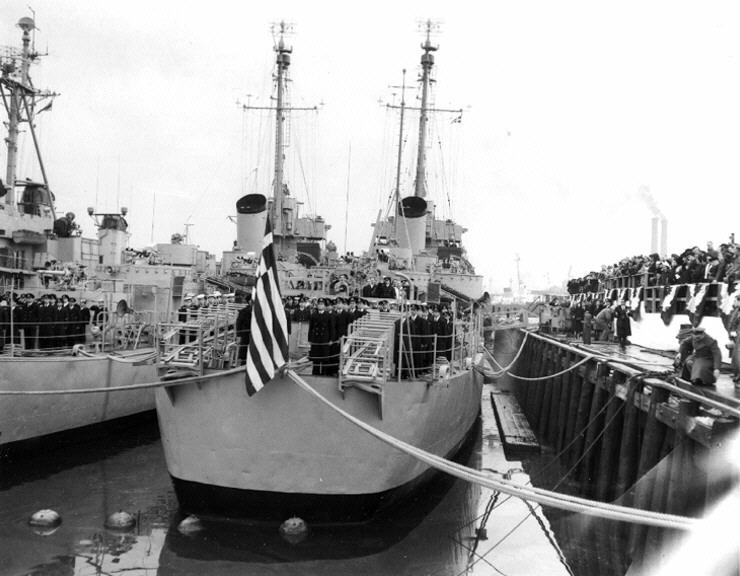
What we know is enough to settle the central claim. USS Eldridge was a real ship, but its own logbook places it away from Philadelphia on the date of the supposed experiment, and its surviving crew denied the story to their faces in 1999. The legend traces not to any witness or record from 1943, but to the letters of a single man, later identified as someone with a history of psychiatric illness, whose account no evidence has ever supported. The real activity at the shipyard was degaussing — a mundane and well-documented anti-mine technique — not invisibility or teleportation. The Eldridge went on to a long, ordinary career in the Greek navy. By every standard of evidence, the Philadelphia Experiment as popularly told is a hoax, and this file treats it as one.
What isn't perfectly, cleanly explained is that one loose thread: why the Office of Naval Research reportedly reprinted a mentally troubled man's annotated UFO book at taxpayer expense. The official answer offered — essentially, the personal curiosity of an officer or two — may well be the true and boring one, and it probably is. But it's the single seam in an otherwise closed case, and it's exactly the kind of small, unresolved oddity that a good conspiracy theory feeds on for decades.
I have cross-referenced the Eldridge's dates more times than the question deserves, and the record does not move: New York, not Philadelphia. The case is closed and I know it is closed. What I cannot file cleanly is the Greek chapter — that the ship went on being an ordinary ship for forty years under another name, Leon, in warm water, while on paper it was busy being the most famous vanished vessel in the world. Somewhere in the 1970s there were sailors serving aboard a legend and not knowing it.
So here is the honest close. The invisible ship is a legend, and the logbook proves it. But if you find yourself lingering on that one strange detail — a government office quietly printing a crank's scribbled UFO book — and wondering why, then you've felt the exact pull that has kept this story alive for eighty years. Not evidence. Just one loose thread, and a mind that won't stop tugging it.
---
The images in this article are authentic archival and documentary photographs.

Comments
No comments yet — leave the first one.