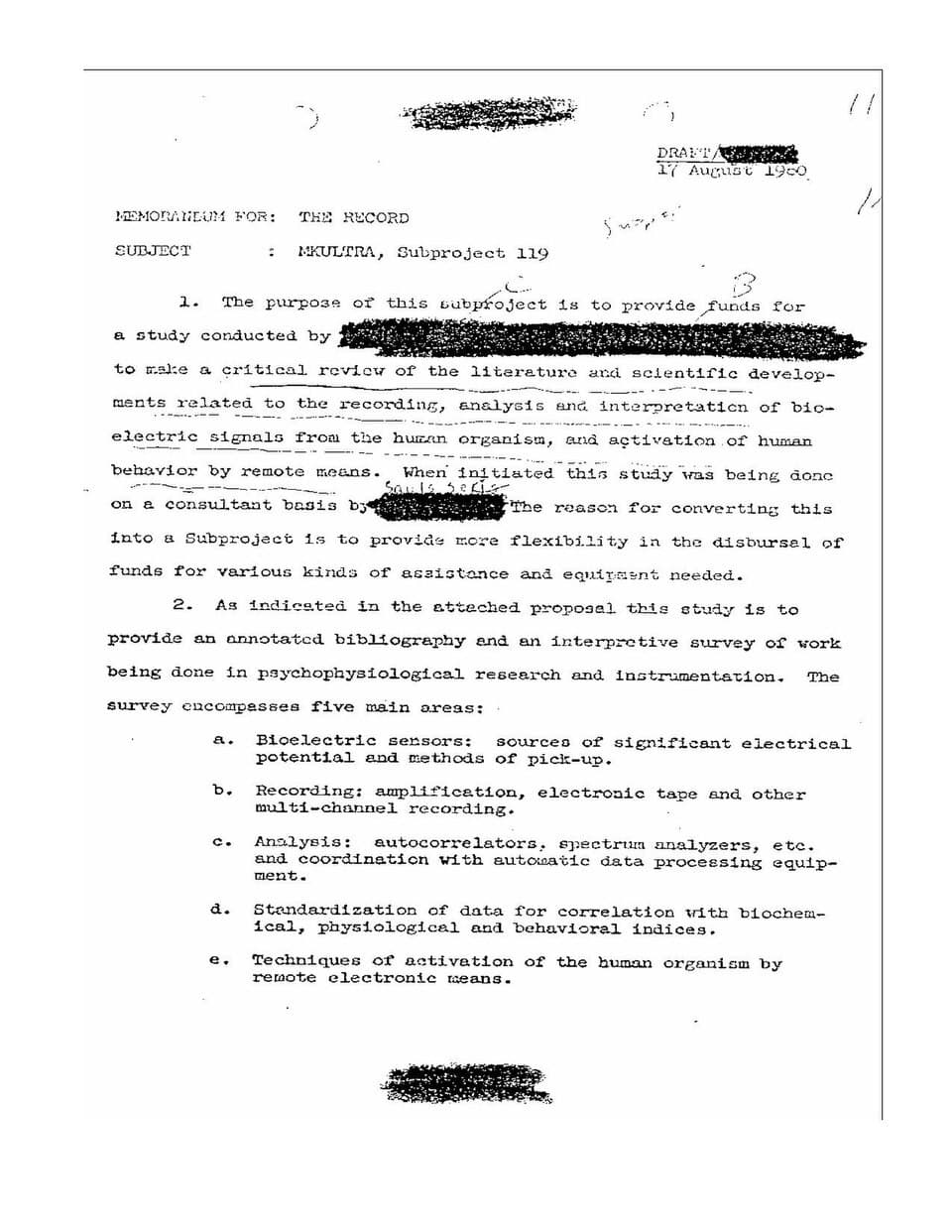
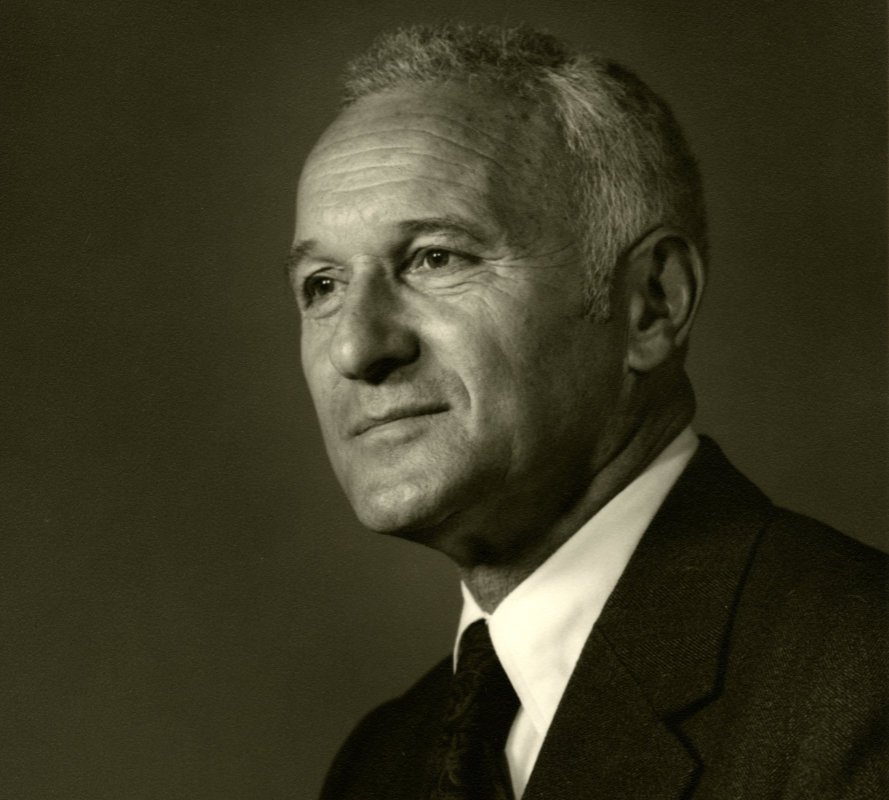
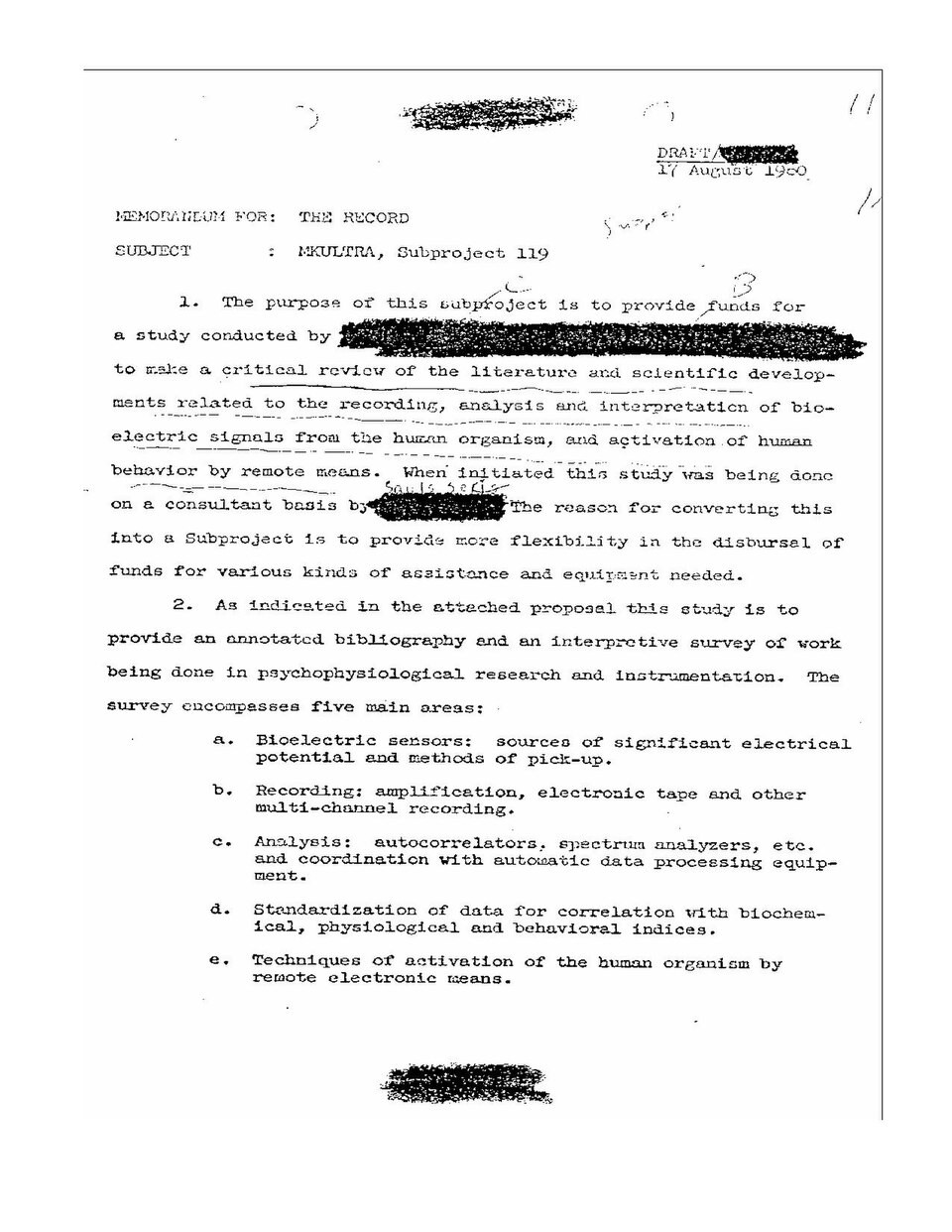
Most conspiracy theories stay theories. This one is different, and that difference is the entire reason it belongs in this file. There was once a claim so extreme that people laughed it out of the room: that the United States government was secretly drugging its own citizens, dosing unwitting people with hallucinogens, running experiments to erase memories and control minds. The natural reaction was obvious — that's insane, why would a government ever do that. And then, in 1977, the story stopped being a theory. Declassified government documents confirmed it. The program had a name: MK-Ultra. This is one of the rare cases where the "crazy" version turned out to be, in its documented essentials, the true one.
An archive like mine runs on a working assumption: that most of what arrives in it is exaggeration, and the job is to find the small hard core that isn't. MK-Ultra broke that habit for me. I went into the Church Committee material expecting to trim a lurid story down to something modest, and instead every page I pulled made the modest version larger. The line I stopped on was the one about the safe houses and the one-way mirrors — not because it was the worst thing in the file, but because it was written down in the same flat administrative register as a travel expense.
Why It Started: The Fear of Brainwashing
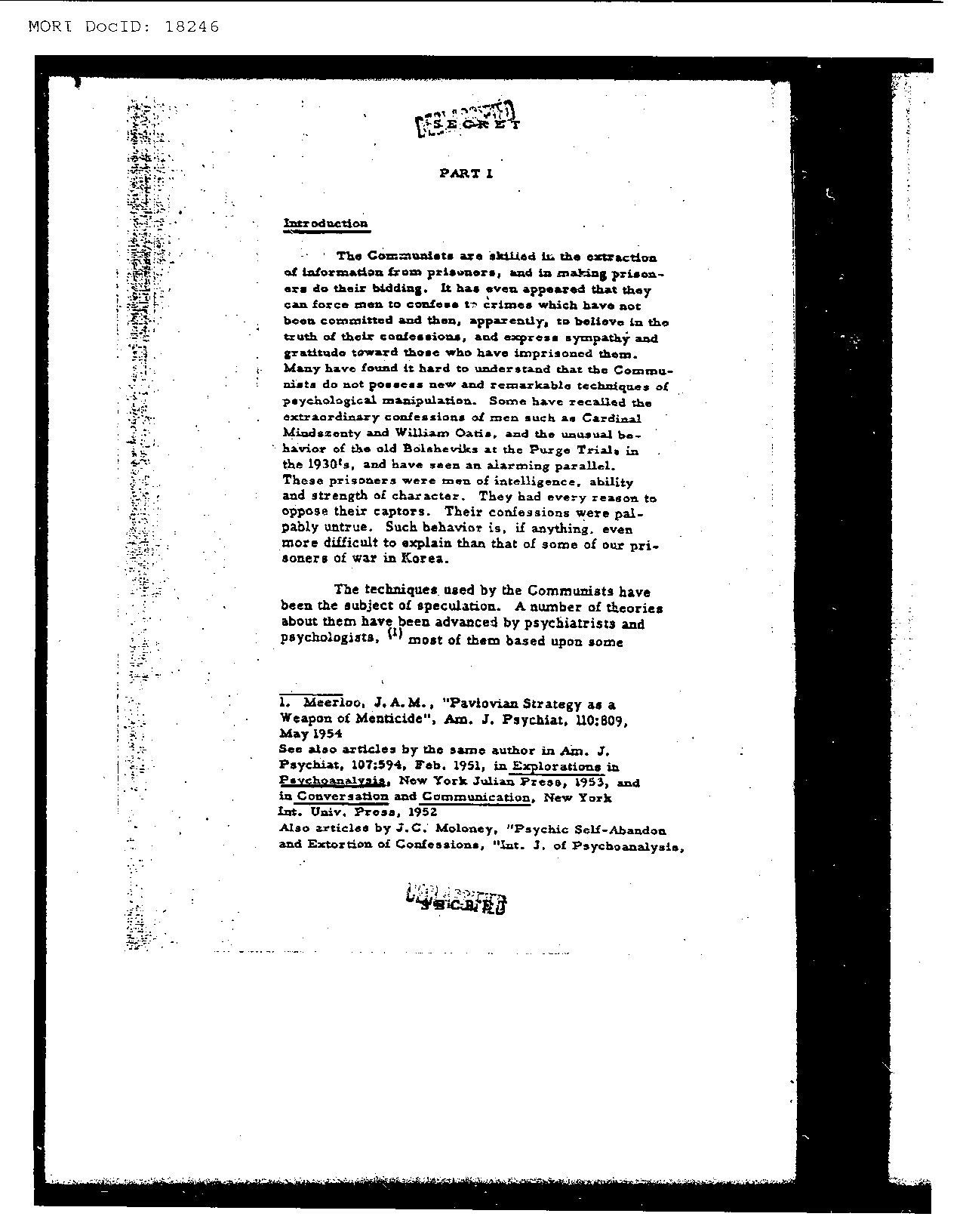
The origins trace to 1953, in the shadow of the Korean War. As American prisoners of war returned from captivity in North Korea and China, some of them behaved in ways that alarmed the U.S. government. A number of returnees recited denunciations of the United States; a few even refused repatriation, choosing to remain in the communist bloc. To Washington, this looked like proof of a terrifying enemy capability: the communists, it was feared, had cracked the secret of brainwashing — the ability to reprogram a human mind.
The logic that followed was grimly simple. If the enemy had this power, the United States needed it too. And so the CIA authorized a secret program to explore mind control, chemical interrogation, and behavioral modification — to find out whether a person could be broken down and rebuilt, and to make sure America got there first.
Gottlieb, and the Things the Program Did
The program was approved at the top of the agency and placed under the direction of a chemist named Sidney Gottlieb. According to the declassified record, its funding was drawn in a way designed to leave minimal paper trail, and its reach was vast. What MK-Ultra actually did — and this is drawn from the government's own confirmed documents, not from rumor — reads like a catalogue of nightmares.
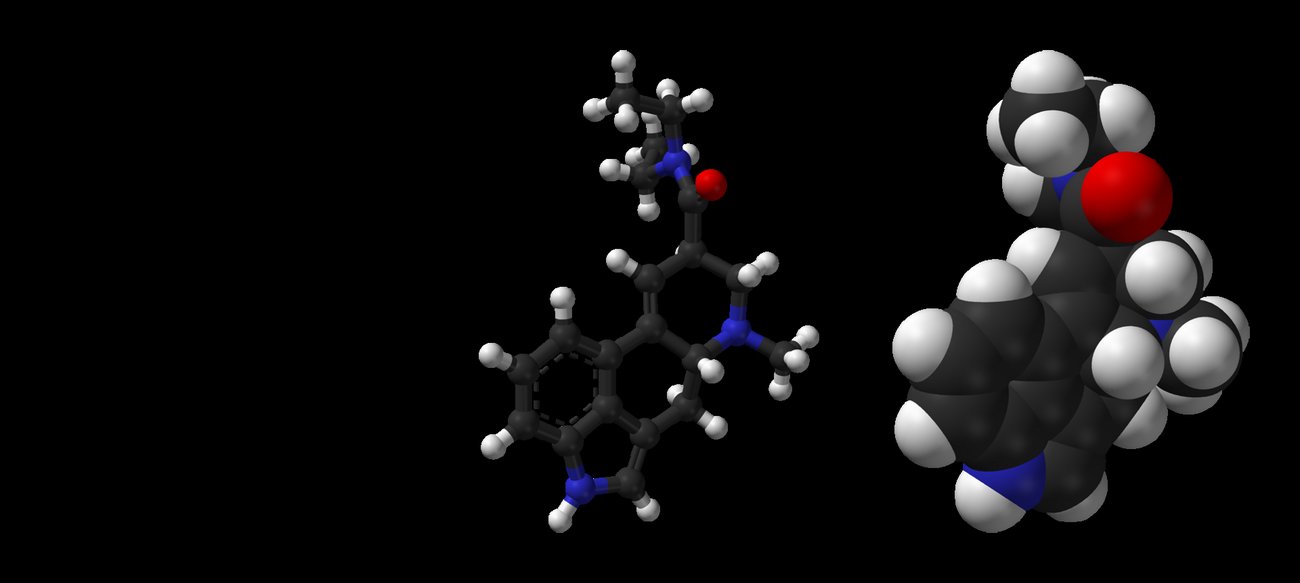
The program administered LSD and other drugs to people without their knowledge or consent. Test subjects included the agency's own employees, military personnel, prison inmates, and ordinary members of the public. In one documented operation, the CIA ran safe houses where unwitting individuals were dosed with drugs while agents observed them through one-way mirrors, studying how they came apart. This operation carried a name so lurid it sounds invented — but it appears in the official record all the same.
The record also documents work at a psychiatric institution in Montreal, where a psychiatrist named Ewen Cameron, funded through the program, subjected patients — some of whom had come in for ordinary conditions like depression — to a regime he called "psychic driving": drug-induced sleep for days on end, repeated electroshock, and endless looped playback of recorded phrases, sometimes hundreds of thousands of times. The stated aim was to wipe a person's mind clean and write a new personality onto the blank. Some patients reportedly left unable to recognize their own families or recall their own names. They had arrived seeking help.

It is worth stating plainly, because it matters both morally and legally: these are not allegations from a fringe pamphlet. They are drawn from documents the U.S. government itself declassified and from official Senate hearings. This file describes documented history, not speculation.
The Death of Frank Olson
In November 1953, the program is connected to a death. Frank Olson was a U.S. Army biological-warfare scientist. At a CIA retreat, according to the declassified account, his drink was secretly spiked with LSD by Sidney Gottlieb — Olson was not told. In the days that followed, colleagues described a profound change in him: anxious, withdrawn, reportedly saying he had made a terrible mistake. Roughly a week and a half later, in the early hours of the morning, Olson fell to his death from a high window of the Statler Hotel in New York City.
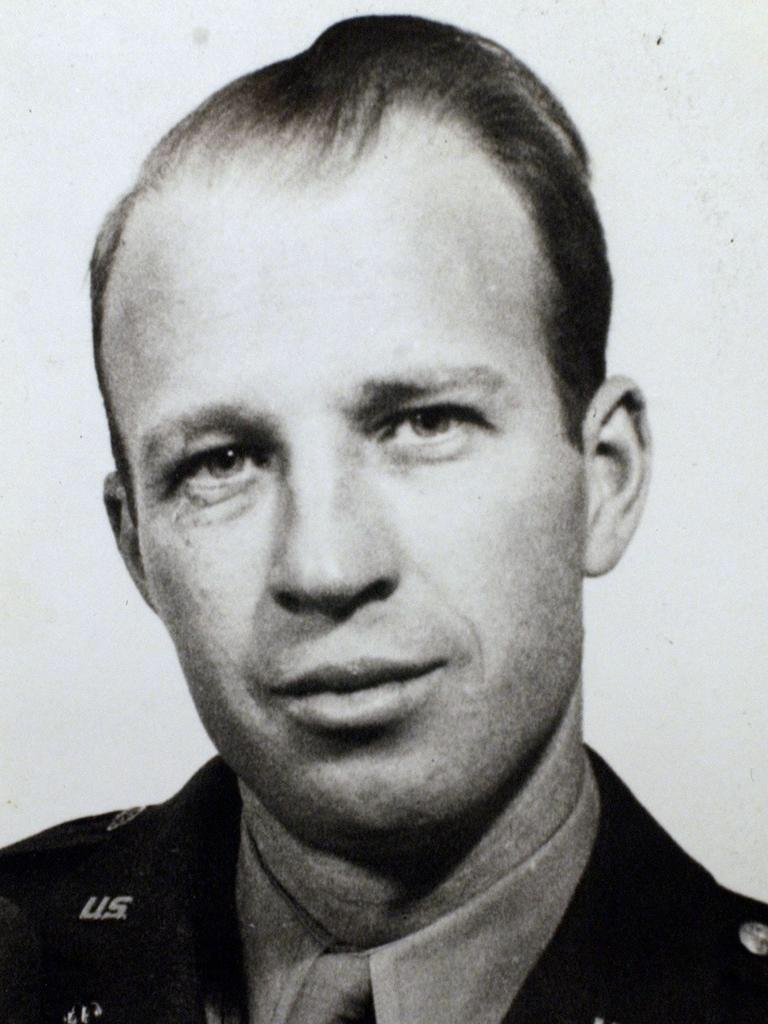
For years, his family was told only that he had died in a work-related accident. The truth — that he had been unknowingly dosed with a hallucinogen by the agency days before his death — remained hidden until the government's own disclosures in the mid-1970s. Even then, exactly what happened in that hotel room has remained contested. What is documented is the covert dosing, the fall, and the two decades of official silence that followed. His family later received a formal apology and compensation.
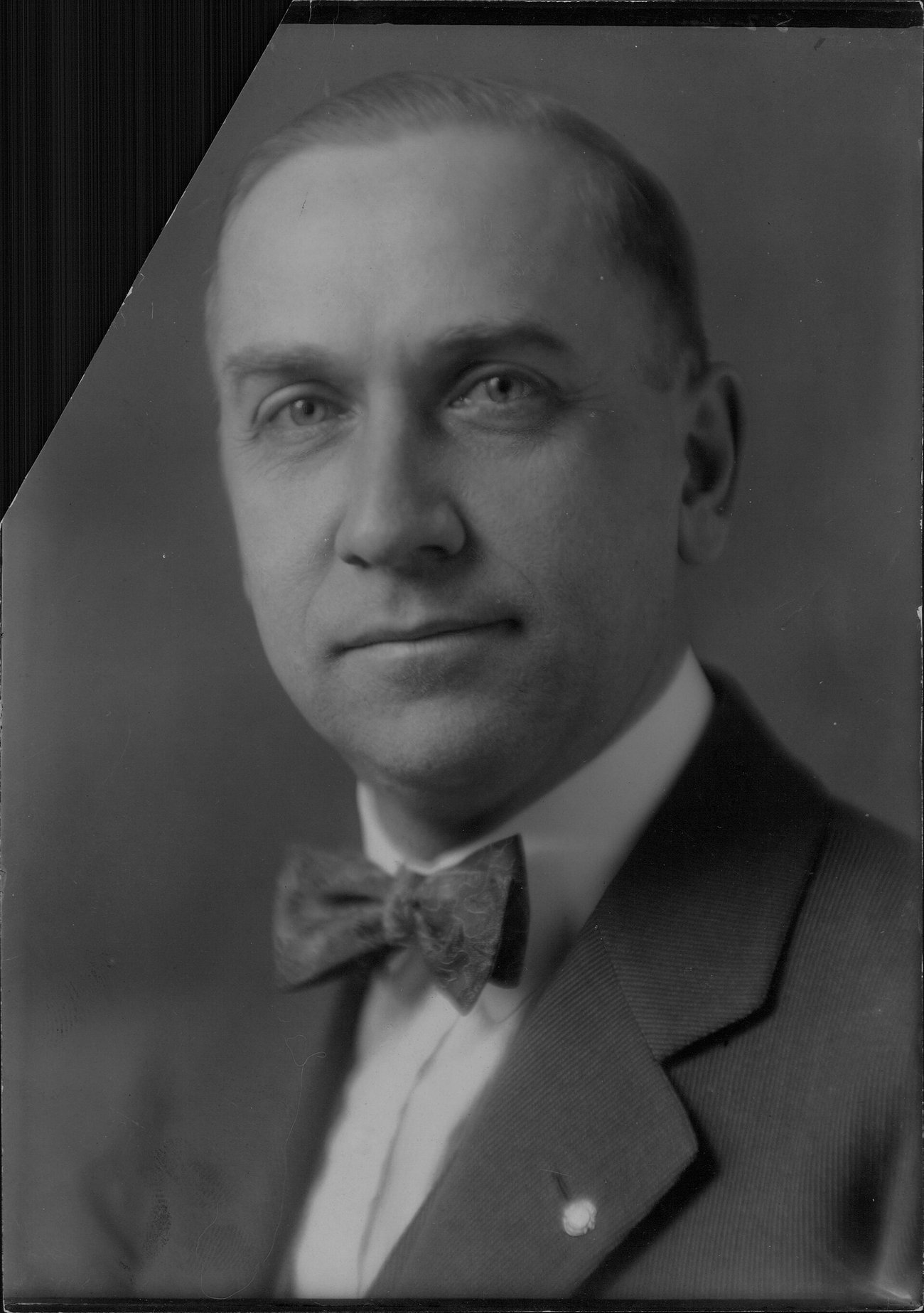
How It Almost Stayed Buried — and How It Didn't
In 1973, as the Watergate scandal was tearing through the U.S. government, CIA Director Richard Helms ordered MK-Ultra's files destroyed. Thousands upon thousands of records were fed into shredders. It very nearly became the perfect crime: a program erased before anyone outside could ever read it.
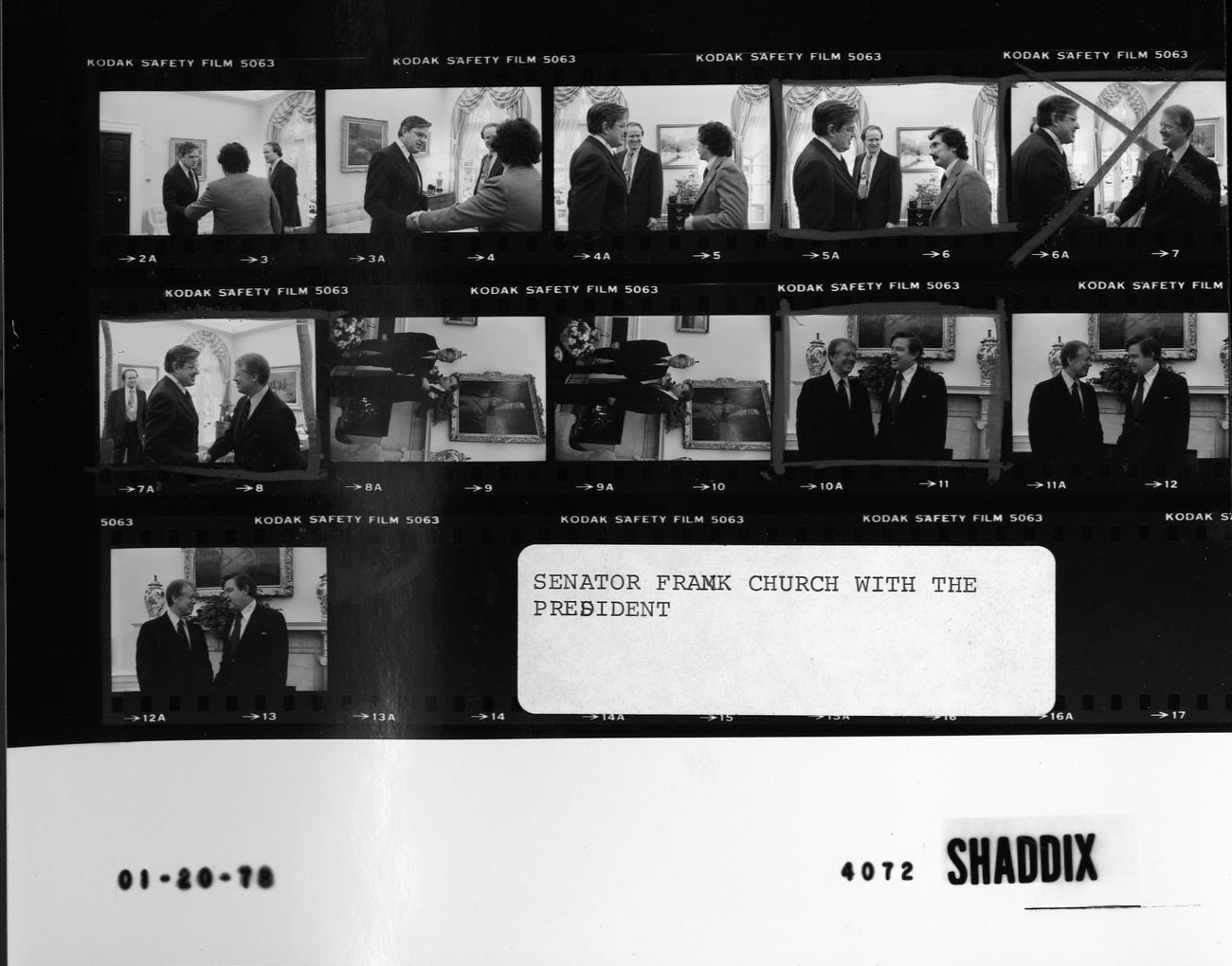
But there was a gap. In 1977, a document-management employee processing a Freedom of Information Act request discovered a cache of boxes that had survived — roughly seven boxes of MK-Ultra financial records, misfiled in a budget archive and therefore missed by the 1973 purge. The money had left a trail even after the operational files were ash. That surviving paperwork ran to some twenty thousand pages.
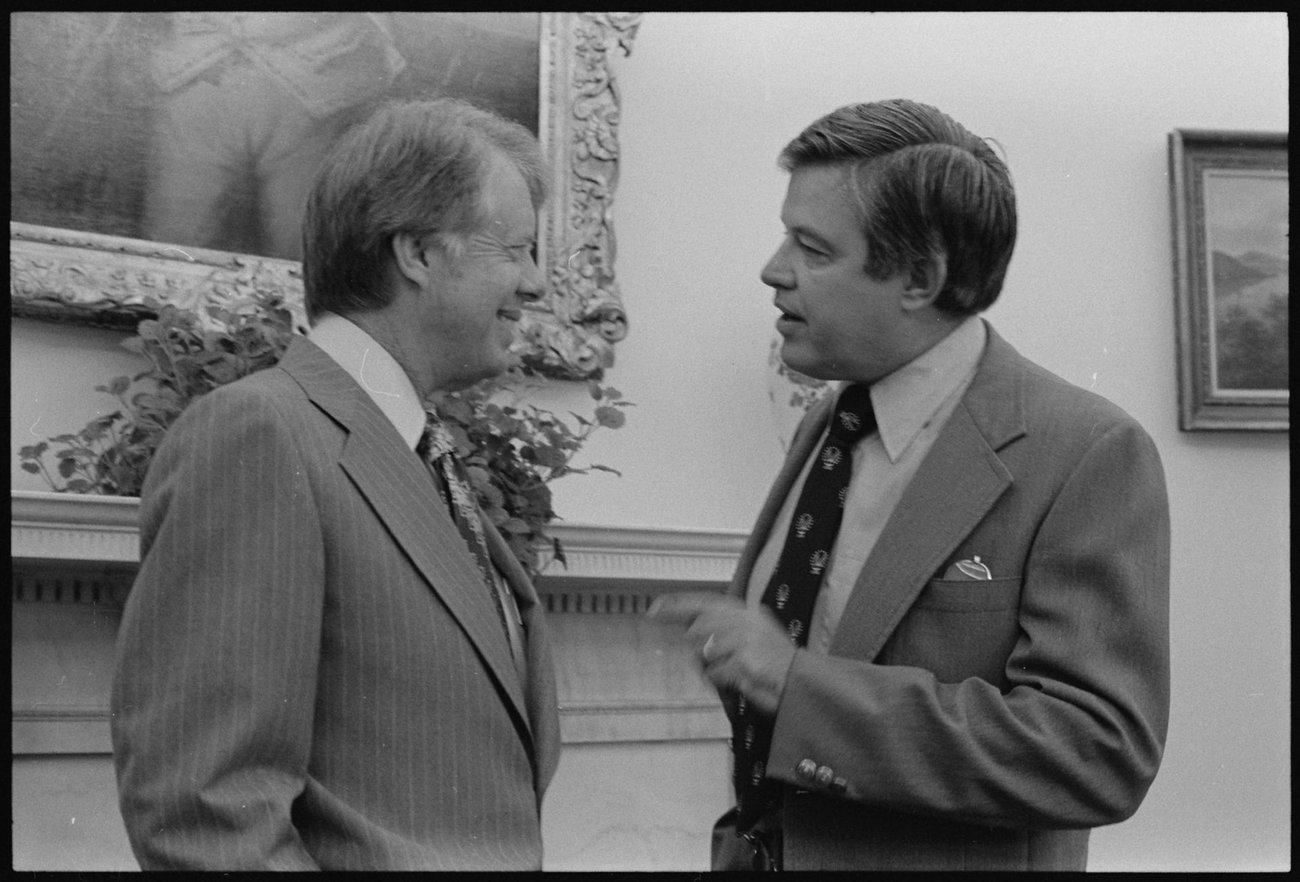
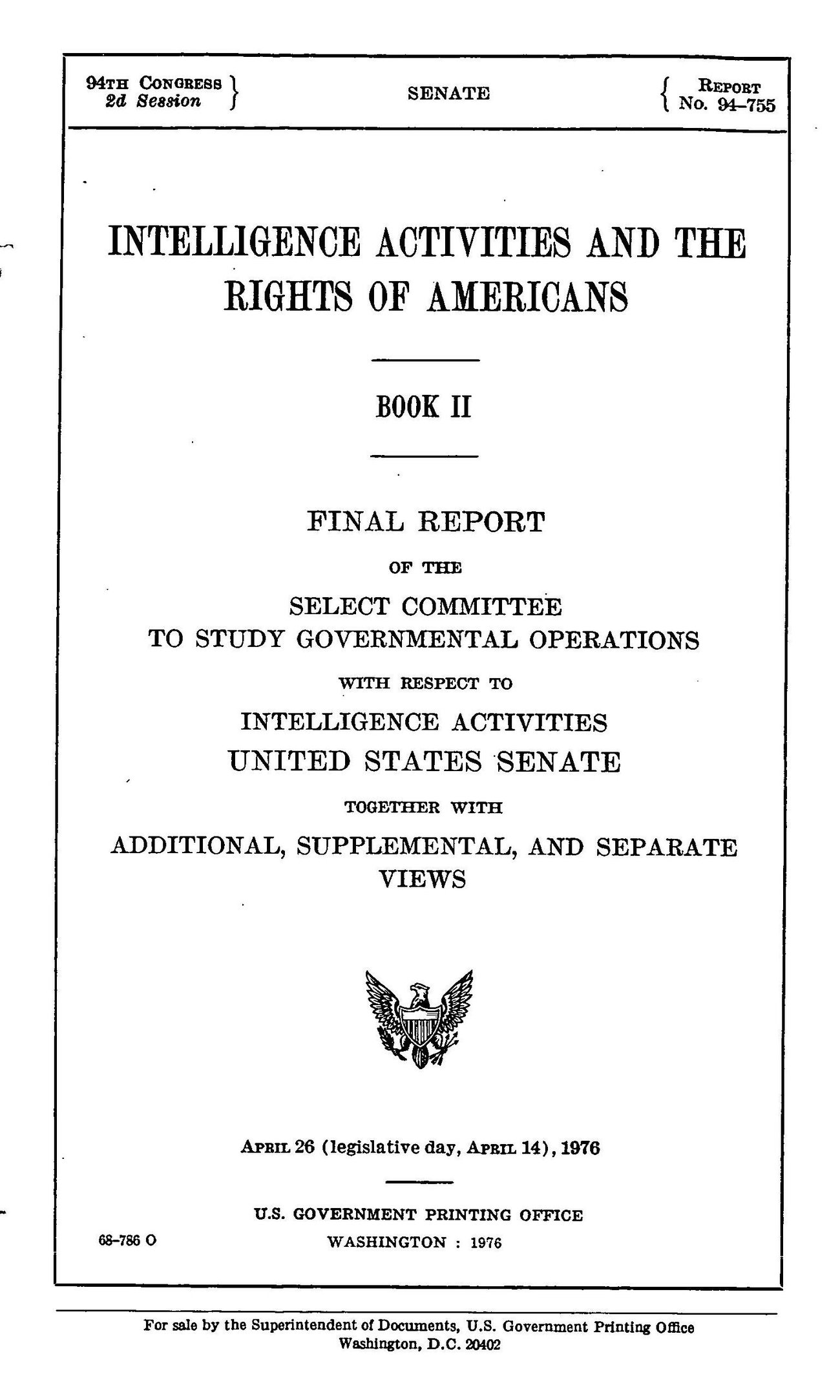
In September 1977, the U.S. Senate held hearings, and the program was laid bare in public. The documents revealed that MK-Ultra had reached into dozens of universities, hospitals, and pharmaceutical companies, and that an uncountable number of civilians had been drawn into experiments — some knowingly, many not. On that day, Americans learned that the "insane conspiracy theory" had been government policy. The people who had been called paranoid had, in outline, been right.
What Became of the People Involved
The aftermath is its own uneasy epilogue. Frank Olson's family received a presidential apology and a financial settlement. Ewen Cameron's patients, decades later, won compensation for what had been done to them. And Sidney Gottlieb — the chemist at the center of it all — was never criminally prosecuted. He retired, reportedly raising goats and teaching folk dancing, and died quietly in 1999. Late in life, he is said to have concluded that the whole enterprise had been a failure — that reliable brainwashing had proven impossible.

What We Know vs. What We Don't
What we know is, unusually for this genre, enormous and documented. MK-Ultra was a real CIA program, approved at the highest levels, that conducted experiments in mind control and behavioral modification. It administered drugs to people without their consent. It funded the destructive "psychic driving" experiments in Montreal. It is connected to the death of Frank Olson, who was covertly dosed with LSD. Its operational files were deliberately destroyed in 1973, and it was exposed in 1977 only because its financial records survived by accident and were brought before the Senate. None of this is theory. All of it is confirmed.
What we do not know is what was in the files that burned. And this is the quiet, genuine unease at the end of the story — an unease grounded not in fantasy but in a documented fact. Everything the public knows about MK-Ultra comes from seven boxes of accounting records that escaped the shredder. The actual operational documents — the records of what the money was spent on, what was done and to whom — were destroyed in 1973 and no longer exist. Twenty thousand pages of budget survived; the pages describing what that budget bought are gone.
So the file closes on a fair question rather than a wild one. What we learned about MK-Ultra is real, and it is disturbing enough on its own. But we learned it only because someone forgot to shred the receipts. Is what surfaced the whole of it — or only the part that happened to survive? That is not paranoia. Given the documented destruction of the primary files, it is simply an honest accounting of what can, and cannot, ever now be known.
There is a particular vertigo in working from a source like this, and I have not gotten used to it. Everything in my folder on MK-Ultra descends from seven boxes that survived by clerical accident, misfiled among budget papers. I have gone back through those twenty thousand pages more than once looking for the shape of what is missing — a line item without a description, a payment to an institution that never appears again. They are there, and they stay blank. Somewhere there were people who were dosed and observed and written up, and the only proof that they existed at all is that someone was reimbursed for it.
---
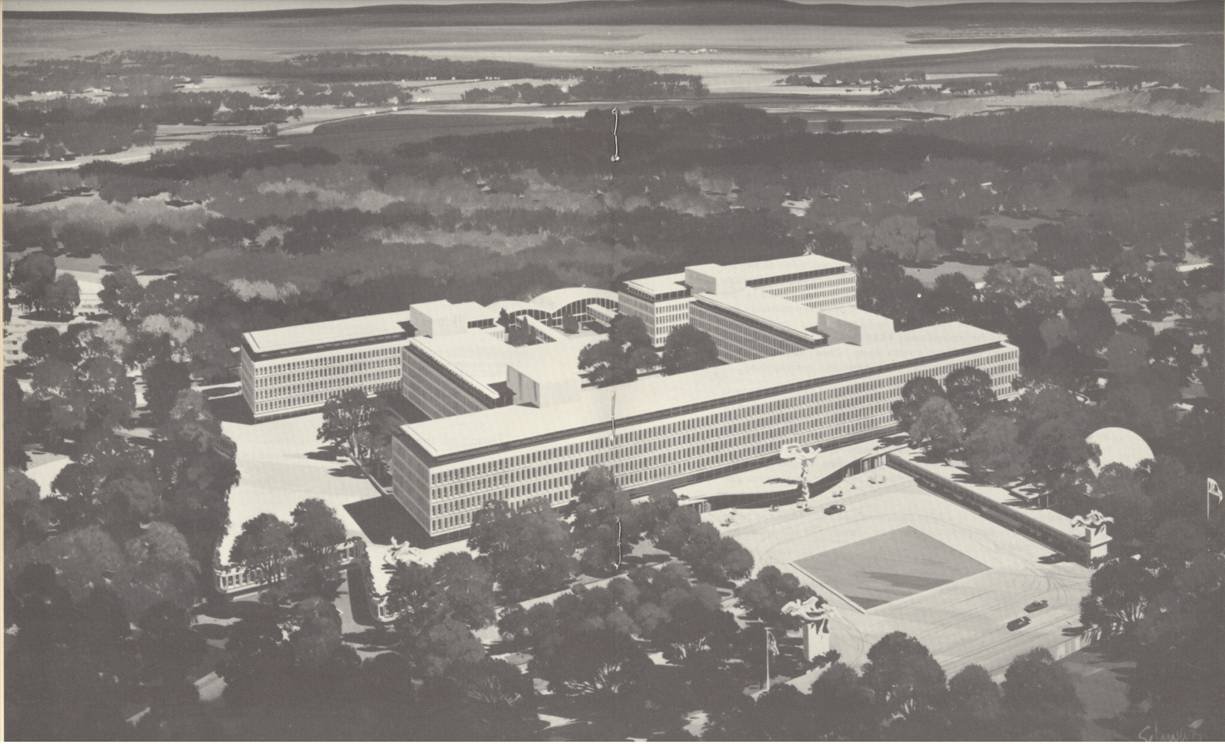
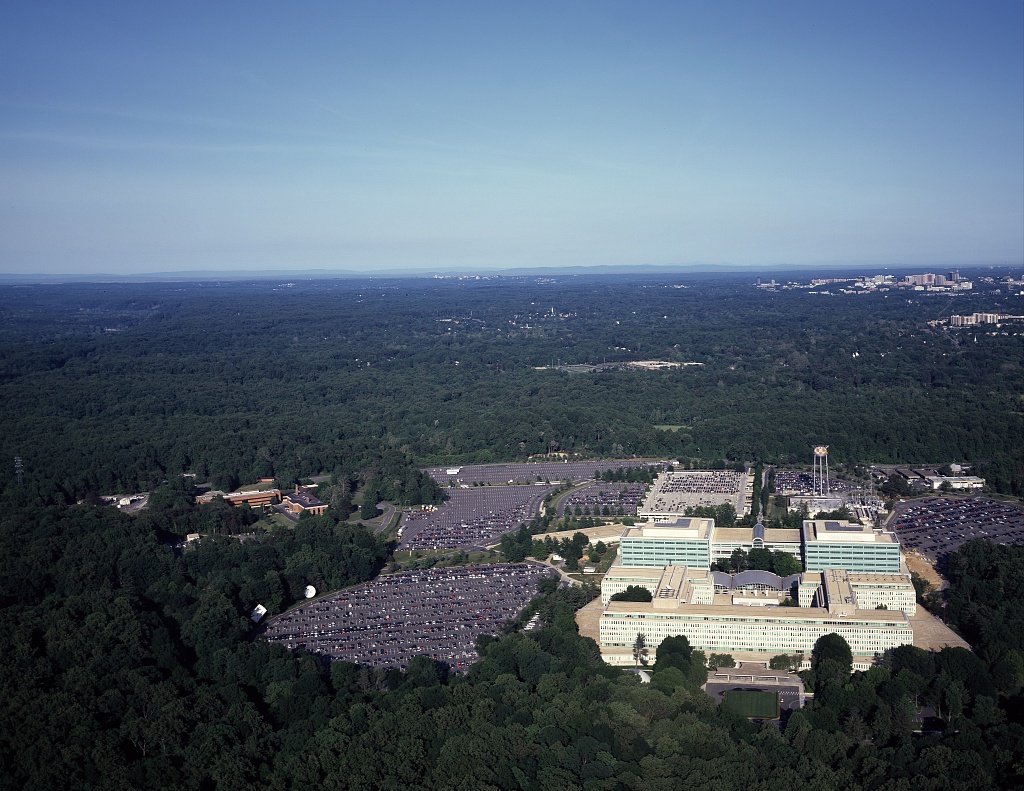
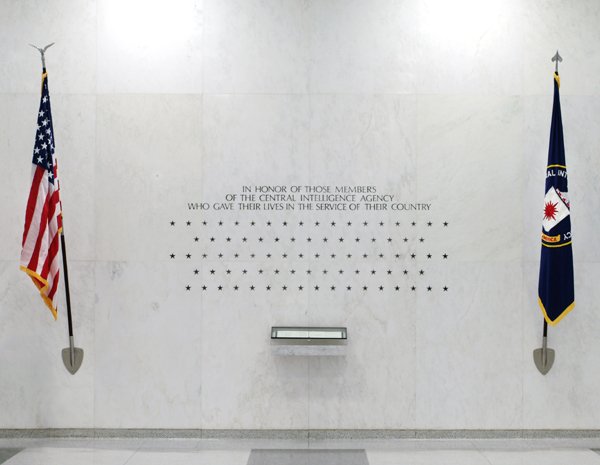
The images in this article are declassified official documents and actual archival photographs.


Comments
No comments yet — leave the first one.