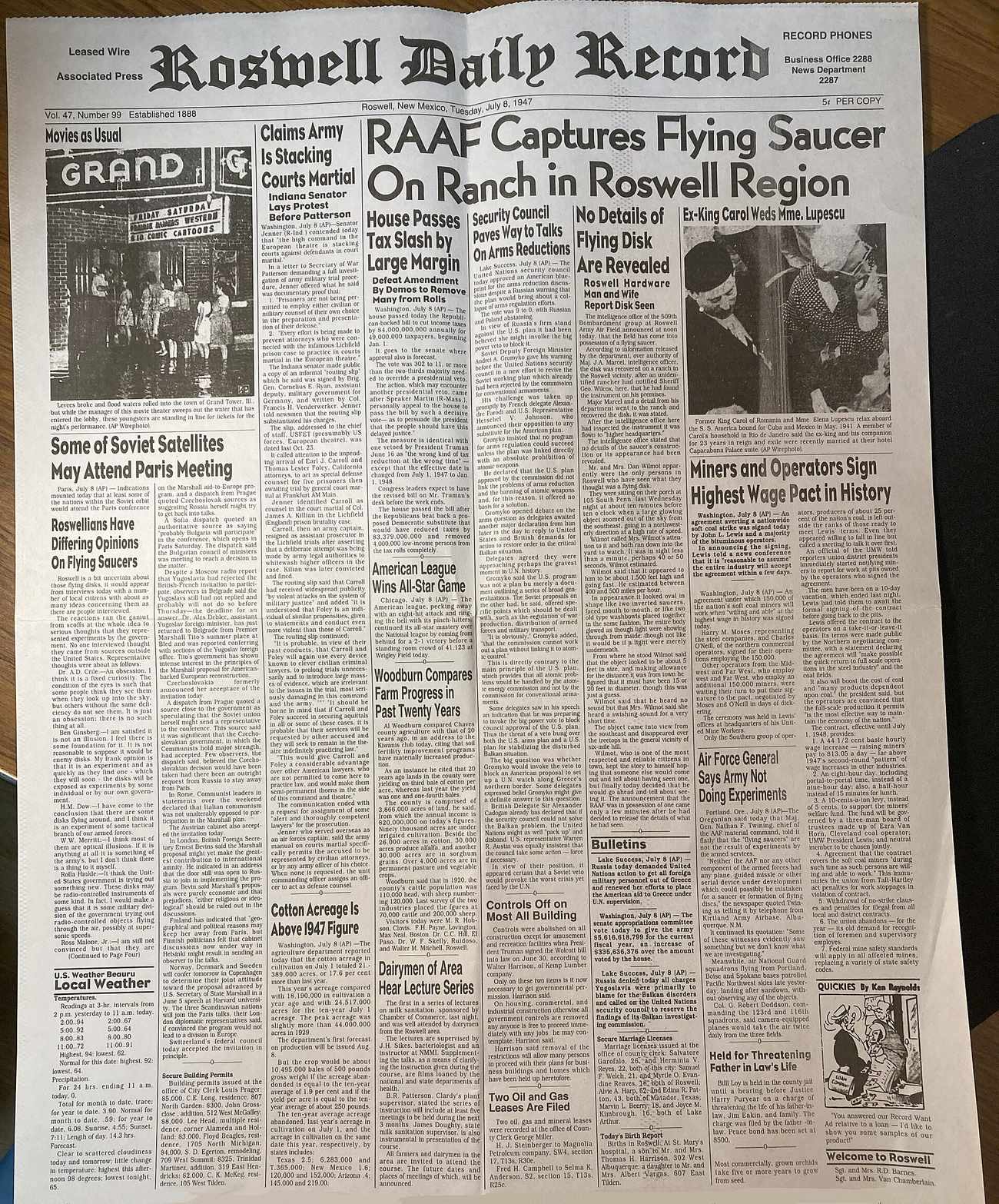
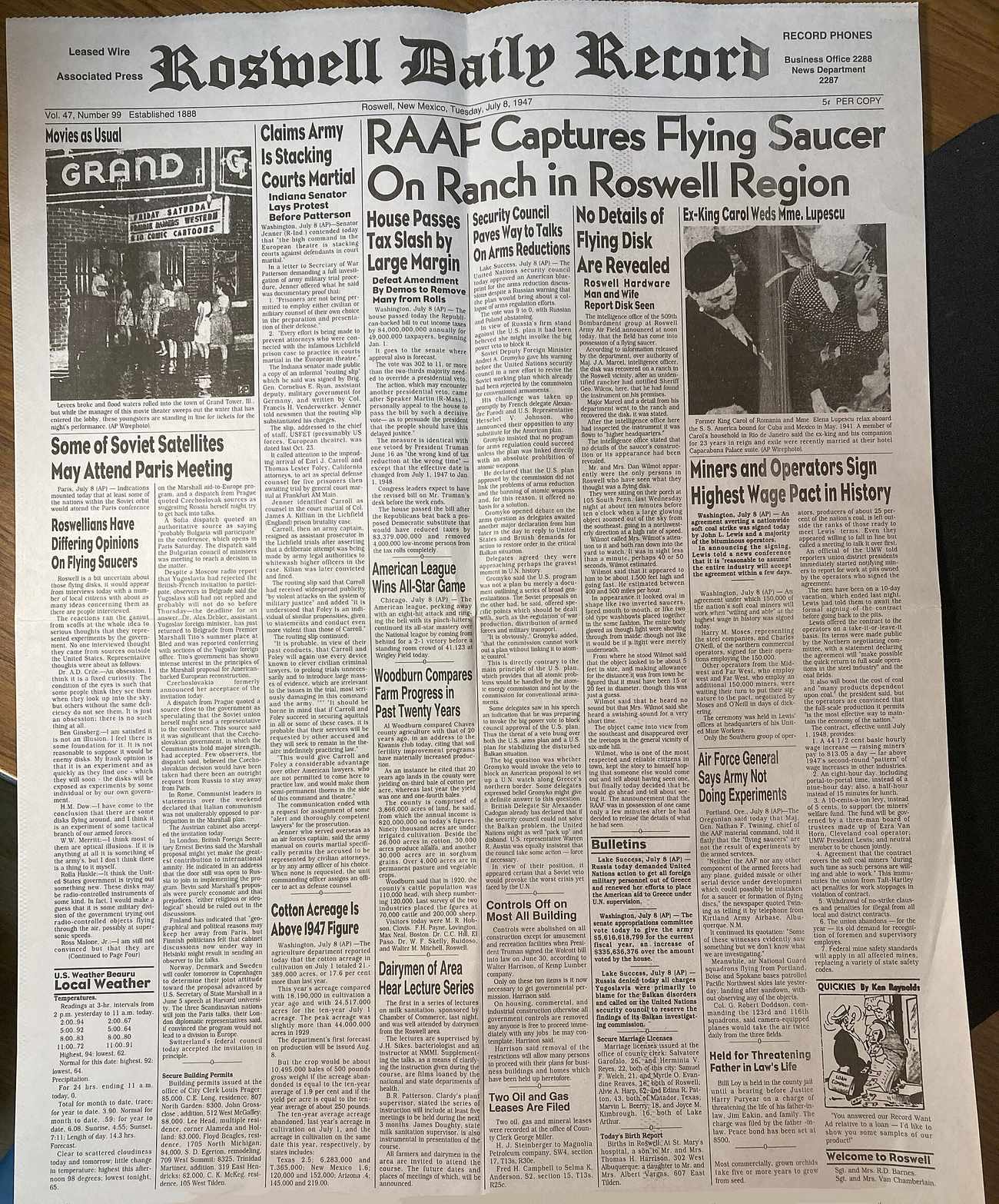
Almost every famous conspiracy theory starts with a rumor and works backward toward the facts. Roswell is strange because it starts with a fact — an official one. On July 8, 1947, a United States military base put out a press release announcing, in plain language, that it had recovered a crashed "flying disc." A government body said, on the record, that it had a genuine unidentified flying object in its possession. Then, within a single day, that same military took it all back and said the object was nothing but a weather balloon. That reversal — the claim, and the sudden, total retraction — is the seed from which the world's most enduring UFO story grew. This file is about what we can actually verify, what remains disputed, and why the case has never fully closed.
What Actually Happened in the Desert
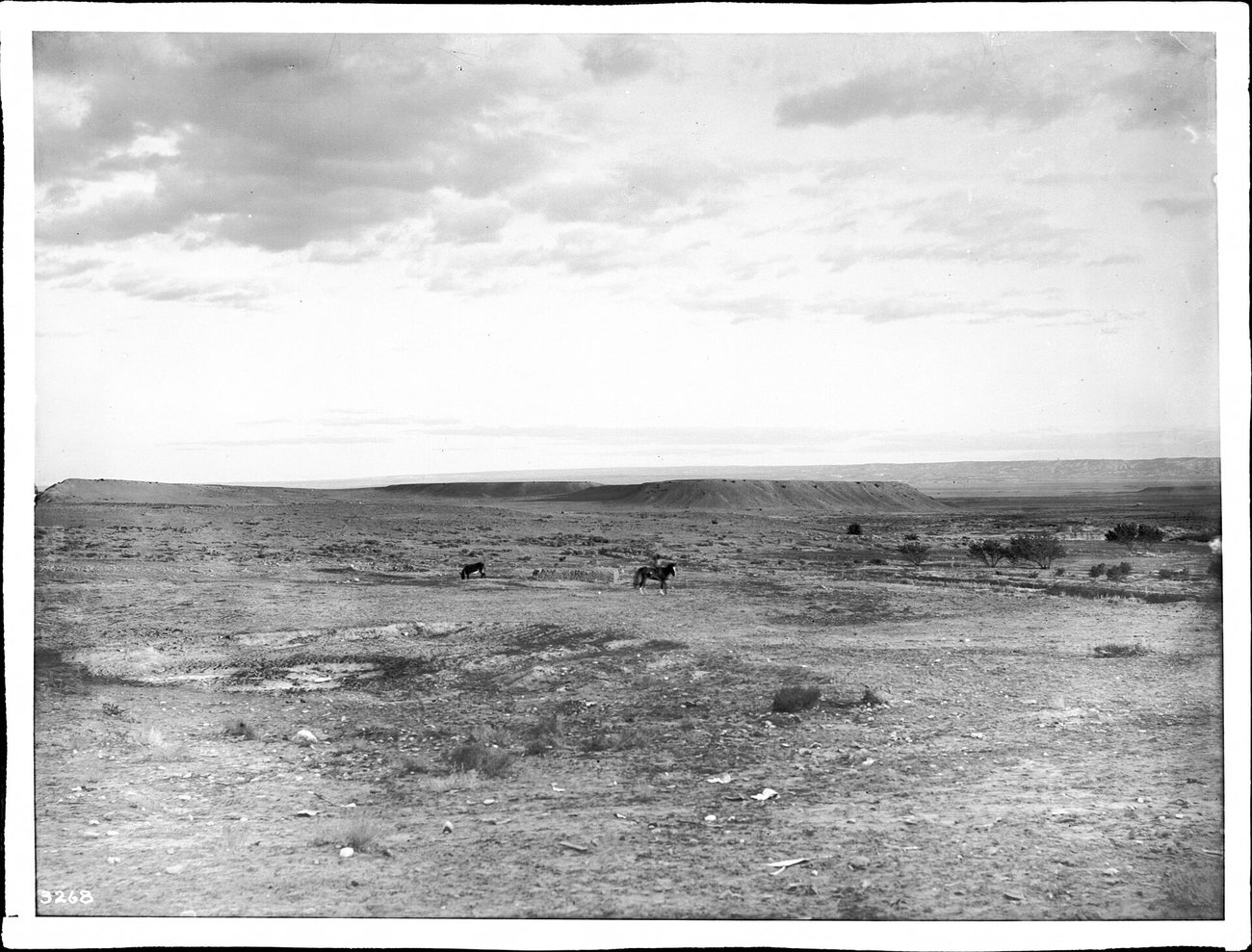
In the summer of 1947, a ranch foreman named William "Mac" Brazel was riding his land near Corona, New Mexico — about 75 miles from the town of Roswell — when he came across a field scattered with unusual debris. He described a mess of rubbery strips, tinfoil-like metallic sheeting, tough paper, tape, and lightweight sticks. It was not a neat, saucer-shaped craft; it was wreckage. Brazel gathered some of it, and eventually reported the find to the local sheriff, who in turn contacted the nearby Roswell Army Air Field.
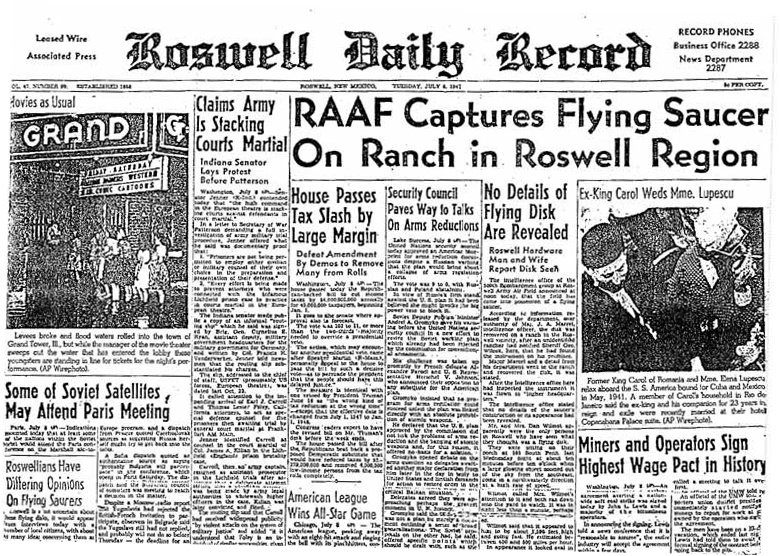
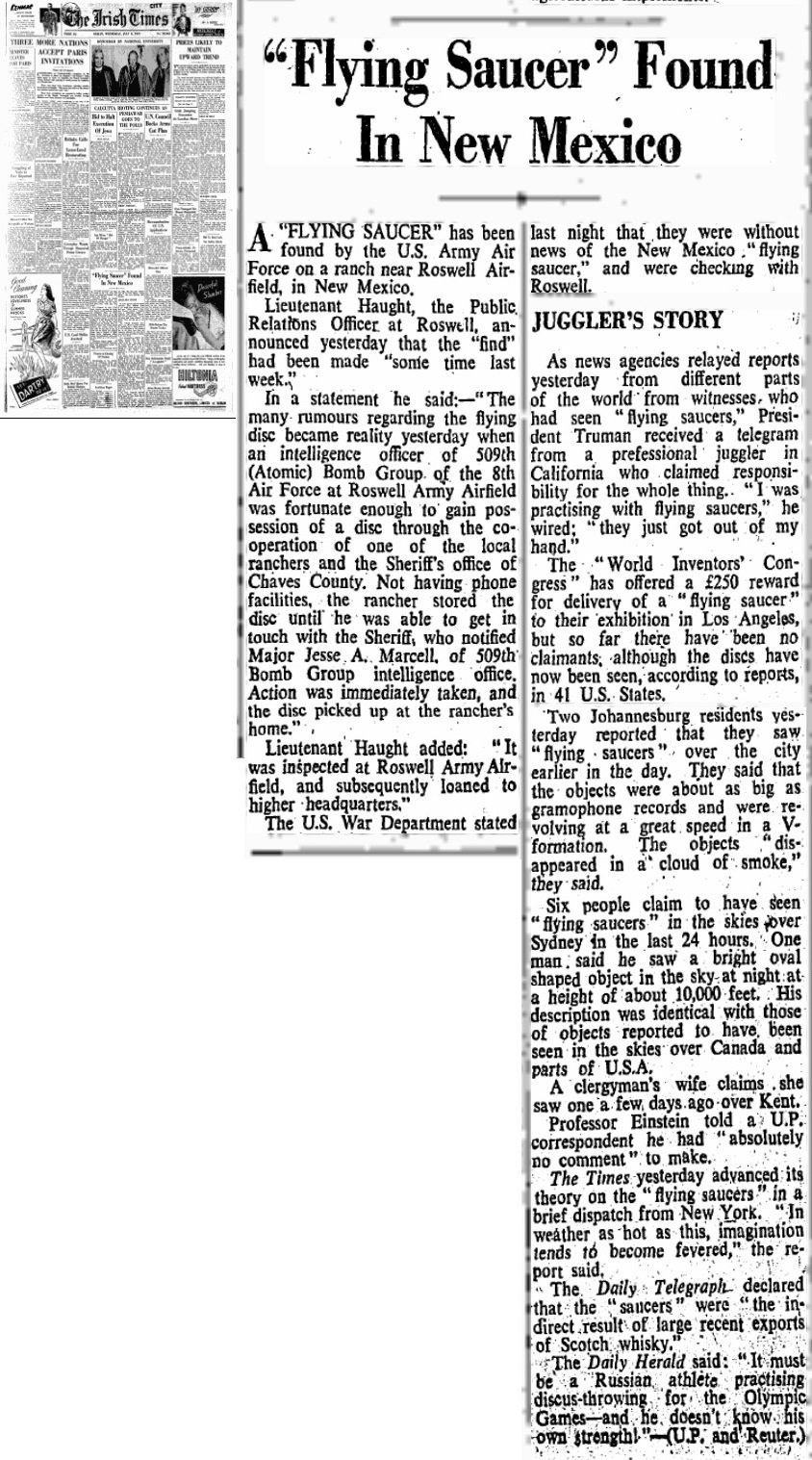
The base sent an intelligence officer, Major Jesse Marcel, to collect the material. And here the story takes the turn that made it history. On July 8, 1947, the base's public information office issued a press release stating that the personnel of the 509th Bomb Group had recovered a "flying disc" from a ranch in the region. It is important to be precise about this: the phrase "flying disc" or "flying saucer" was, in that specific summer, brand new. It had entered the American vocabulary only weeks earlier, and the country was gripped by a wave of "flying saucer" sightings. For a military base to use those exact words in an official announcement was extraordinary.
What put this in my files was the calendar, not the debris. I was dating the earliest appearances of the phrase "flying disc" in American print, and the words turn out to be only a few weeks old on 8 July 1947 — a piece of brand-new slang, still wet, and a military press office reached straight past every available technical term and used it. I have gone back through the wording of that release several times looking for a hedge. There isn't one. Whoever wrote it did not think he was announcing anything unusual, which is the strangest thing about it.
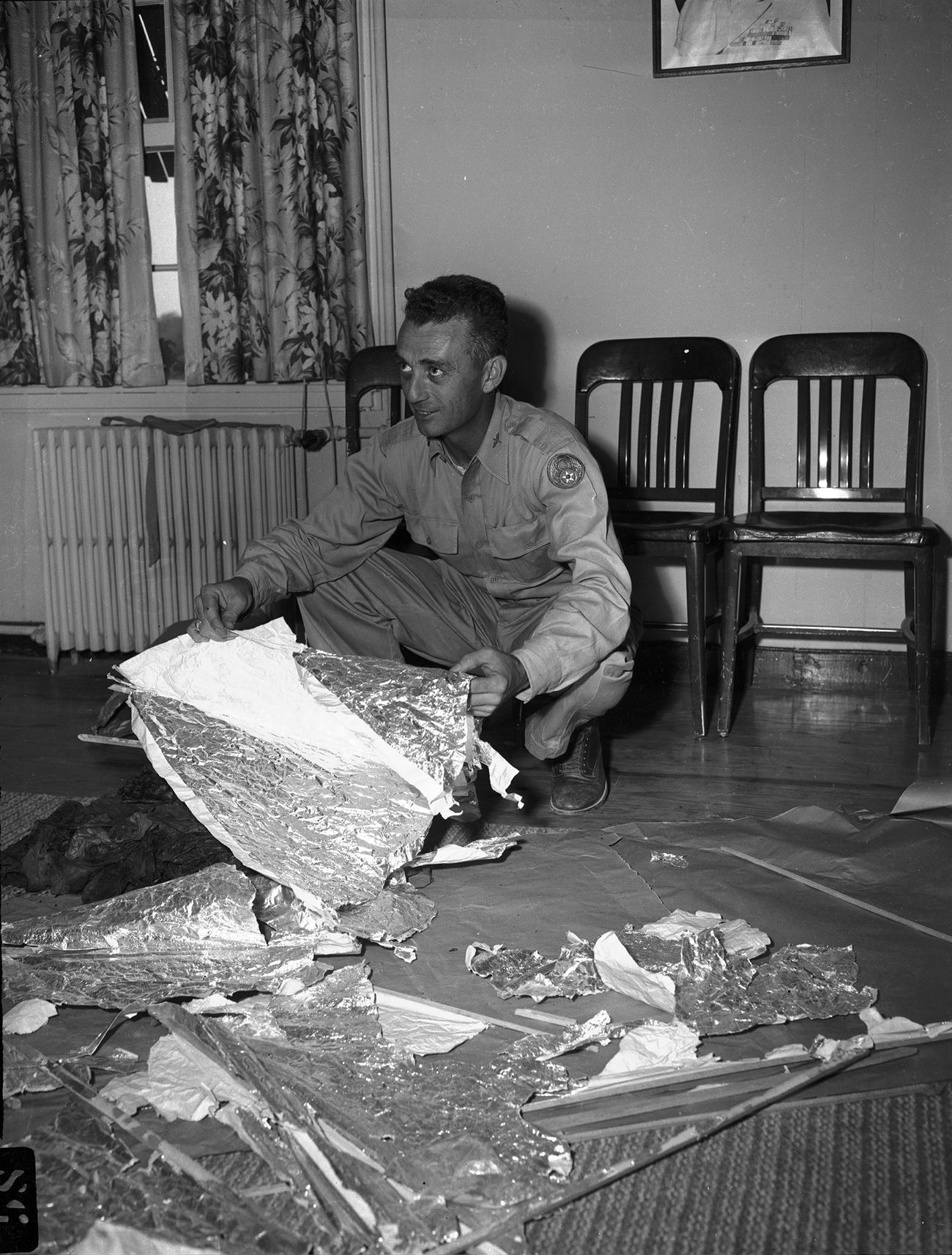
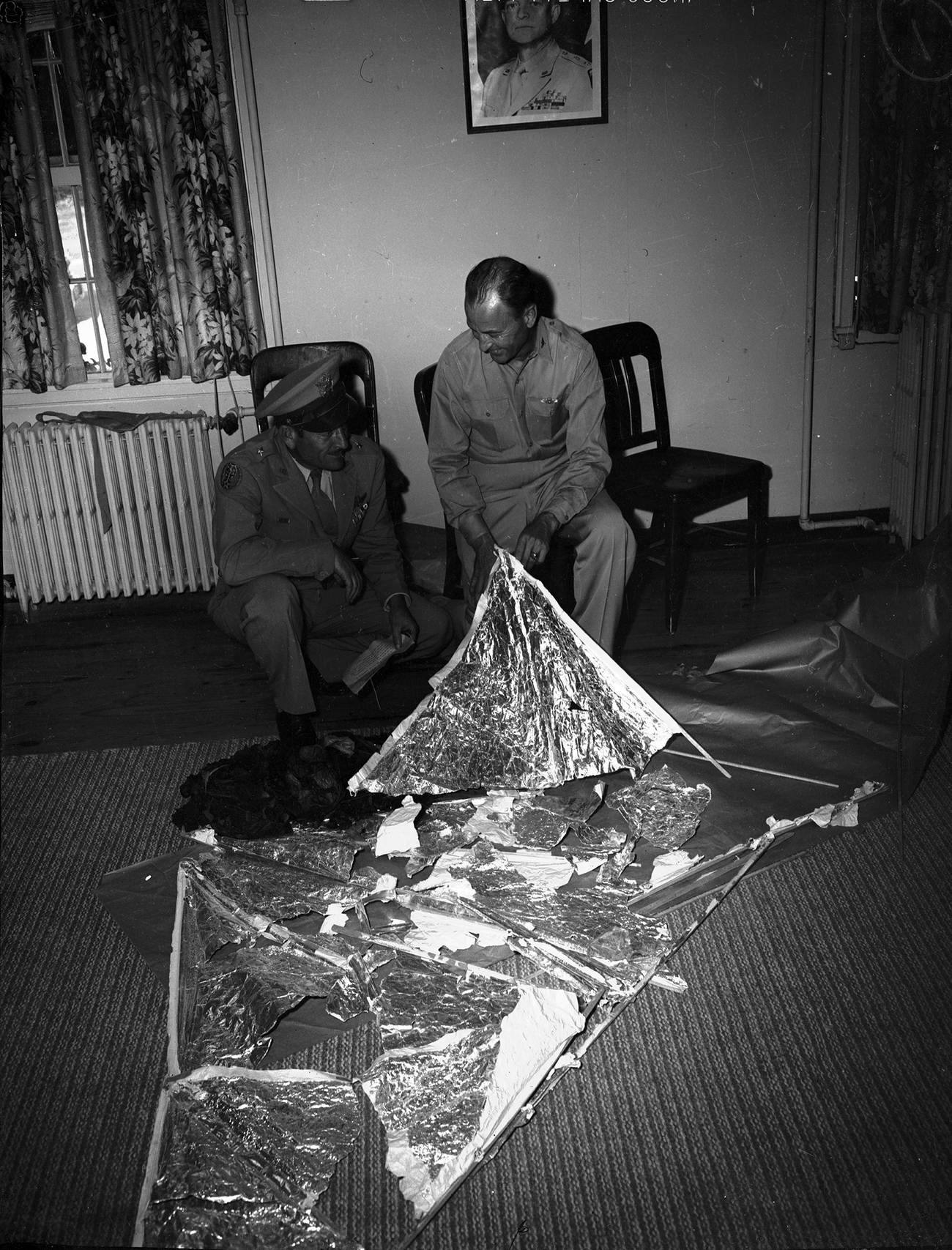
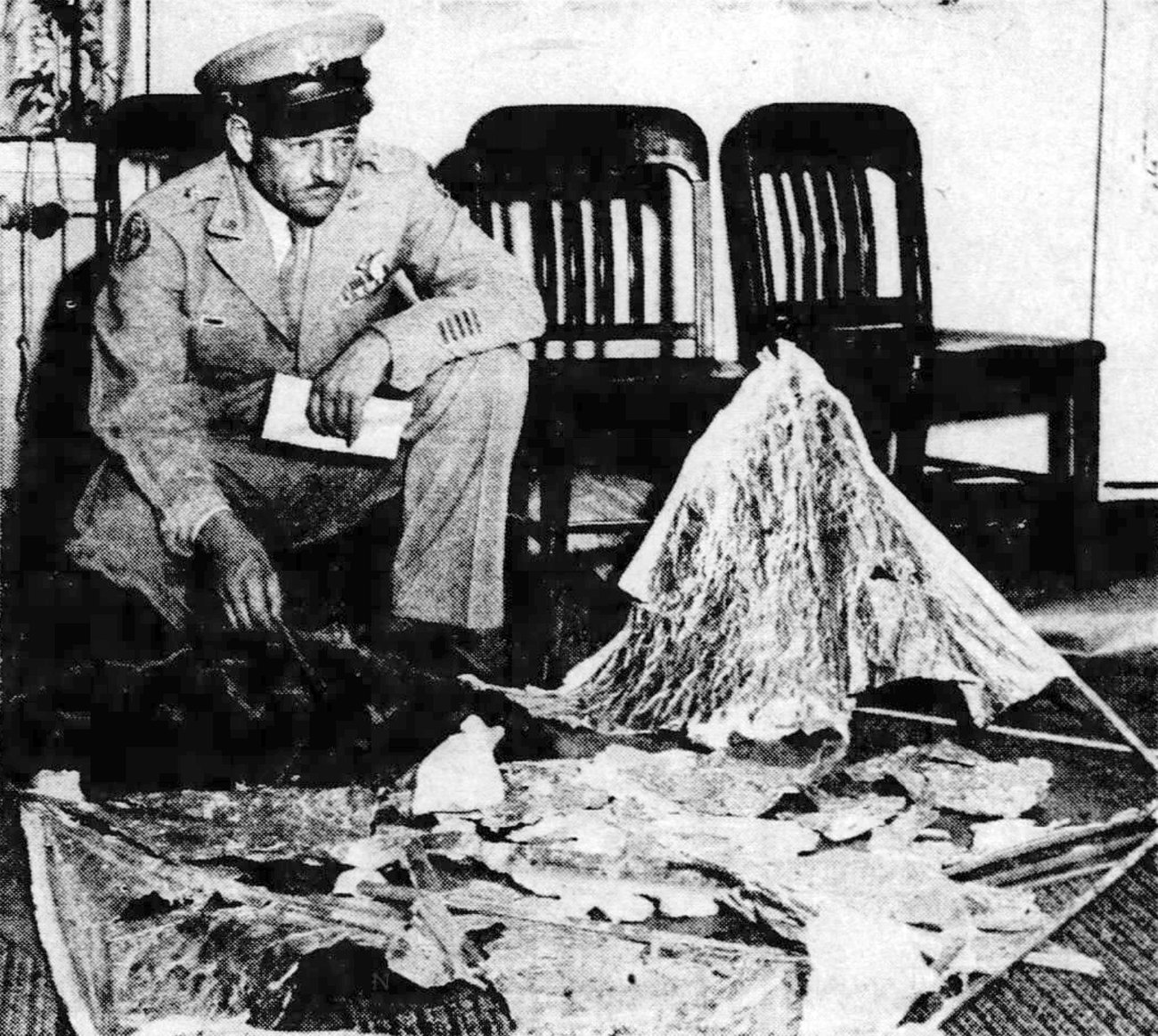
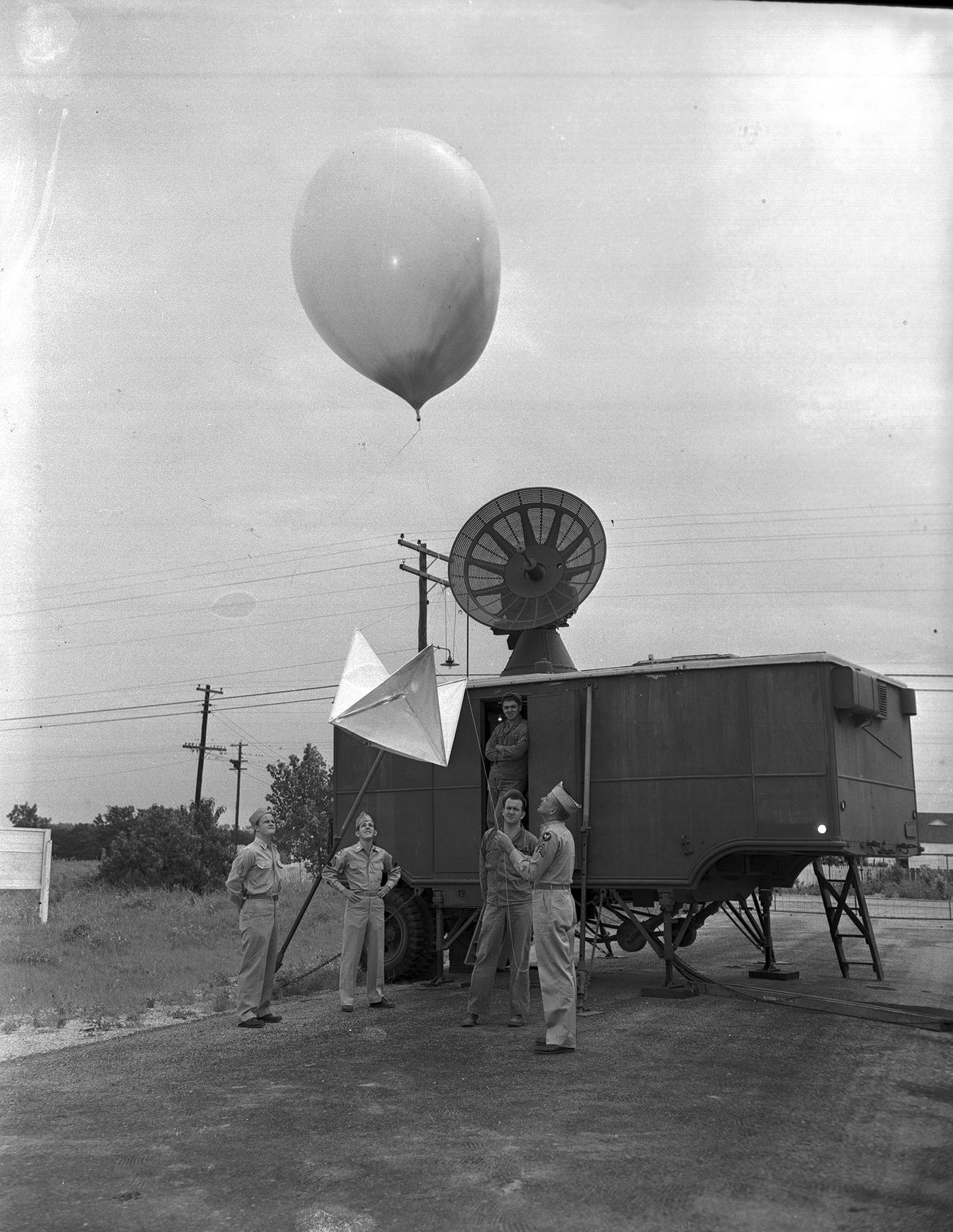
The news went out on the wire and made headlines across the country and beyond. And then it was killed. The very next day, higher-ranking officers stepped in. General Roger Ramey, at Fort Worth Army Air Field in Texas, held a press conference, displayed debris to reporters and photographers, and explained that the recovered object was simply a conventional weather balloon and its radar reflector — mundane equipment that had been misidentified. The "flying disc" was downgraded to a torn-up balloon in the space of twenty-four hours, and the story faded from the headlines almost as quickly as it had arrived.
Why It Refused to Die
For roughly thirty years, Roswell was a forgotten footnote. It came roaring back in the late 1970s, when the original intelligence officer, Jesse Marcel — by then retired — gave interviews saying he had never believed the weather-balloon explanation, and that the material he handled did not behave like any ordinary wreckage he knew. His account reopened the case in the public imagination and set off decades of books, documentaries, and increasingly elaborate claims. Over time, the story grew far beyond debris in a field. Claimed elements that were added or amplified in later decades include:
- Reports of a second crash site with an intact craft.
- Claims of recovered alien bodies.
- A widely repeated story that a local funeral home received unusual inquiries — including a question about small, child-sized caskets — around the time of the event.
- Allegations that witnesses were pressured or warned into silence by the military.
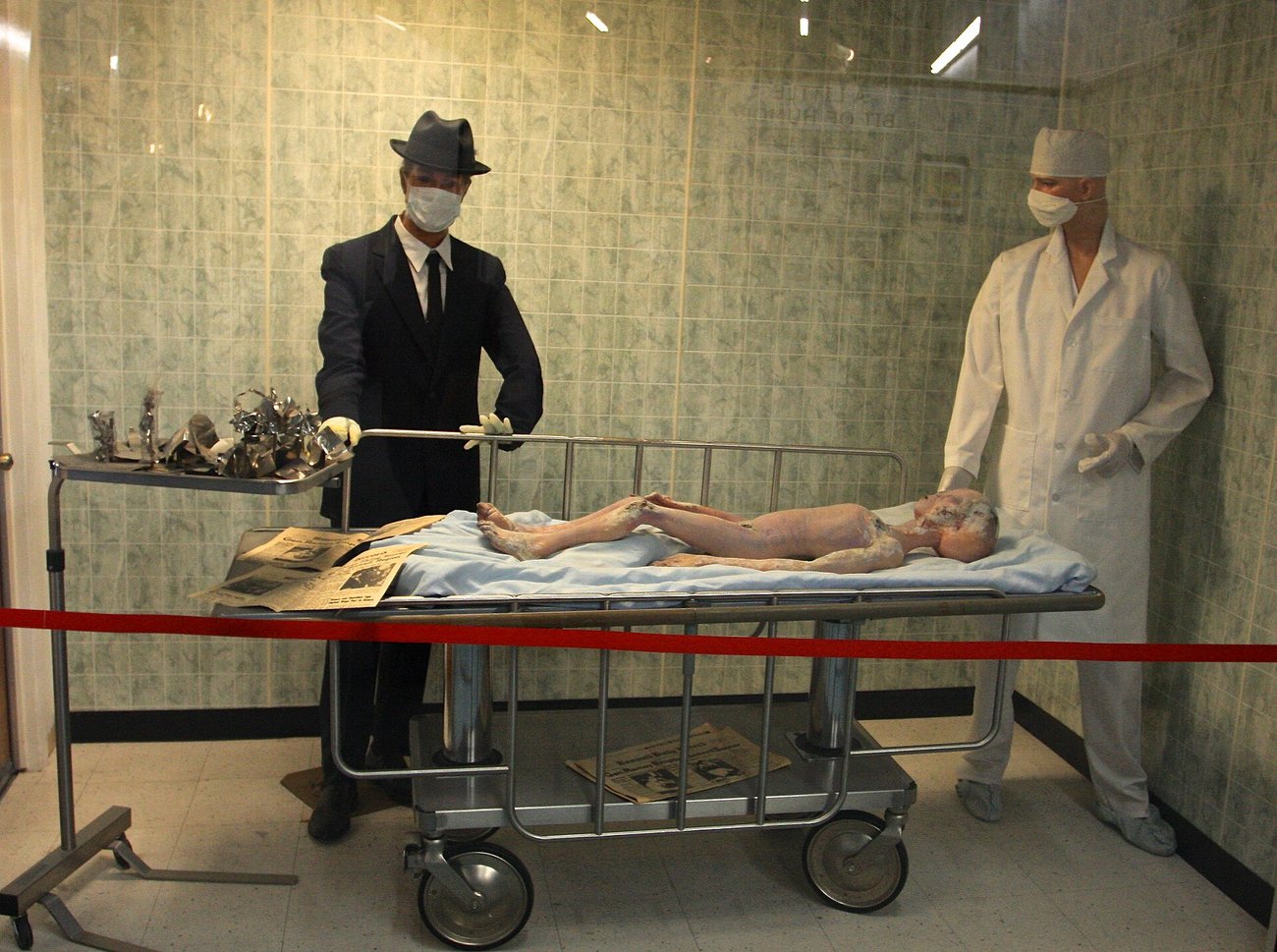
These are the elements that turned a strange press release into a full mythology. It is essential to be clear about their status: many of these later claims rest on secondhand testimony gathered decades after 1947, and some of the most dramatic — including the most famous "alien autopsy" footage — have been publicly admitted to be fabrications or reconstructions. Documented fact and dramatized legend became tangled together, and separating them is most of the work of understanding Roswell honestly.
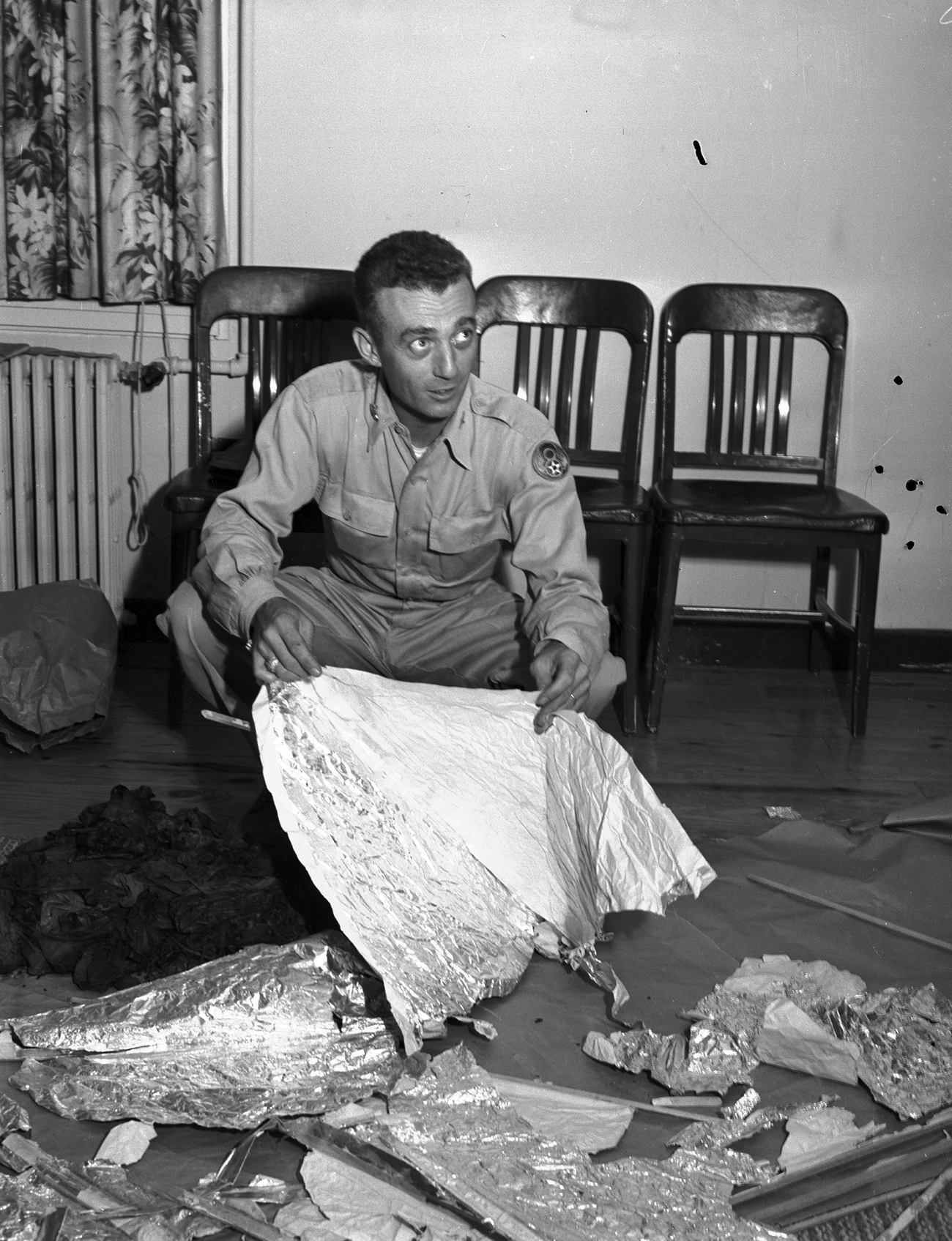
The Official Explanation — and Why the First One Was a Lie
Here the case does something rare: the government eventually admitted that its original public explanation was false — but not in the way conspiracy theorists hoped. In the mid-1990s, under pressure from a New Mexico congressman and an inquiry by the U.S. General Accounting Office, the U.S. Air Force released reports addressing Roswell directly. Their conclusion was that the 1947 "weather balloon" story had itself been a cover — but a cover for a different secret, not for aliens.
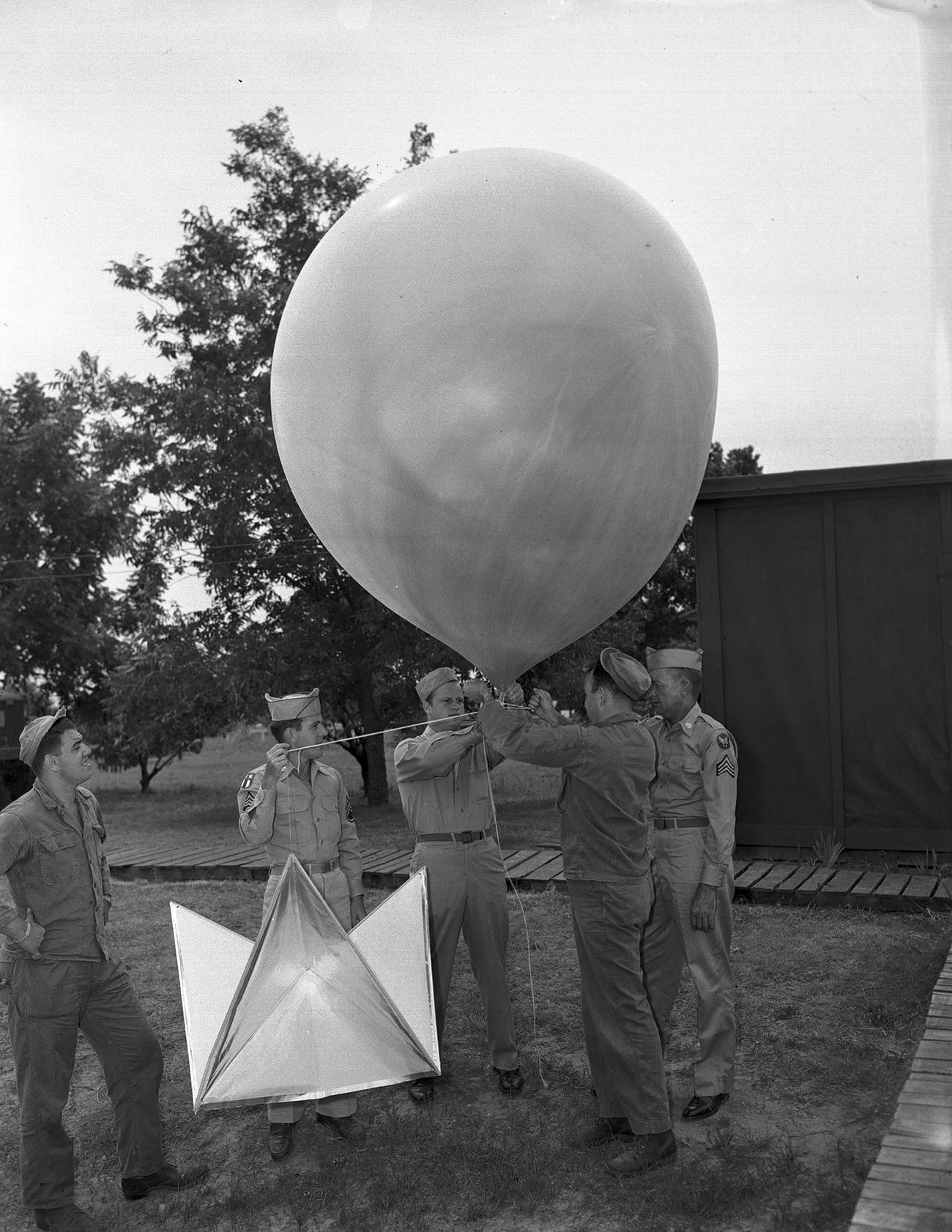
According to these reports, the debris came from Project Mogul, a top-secret program that used trains of high-altitude balloons carrying sensitive acoustic sensors. The goal was to detect the shockwaves of Soviet nuclear tests from a great distance — a matter of the highest national-security priority at the dawn of the Cold War. A Mogul balloon train was long, complex, and built from exactly the kind of materials Brazel described: foil, rubber, sticks, tape, and tough paper. Because the project was classified, the Air Force said, the simplest way to make an awkward recovery disappear from the news was to reclassify it downward as an ordinary weather balloon — technically a lie, but one that protected a real secret. Later Air Force reporting also addressed the "alien bodies" strand, attributing such accounts to confused or merged memories of unrelated events, including crash-test dummies dropped from high altitude in the 1950s.
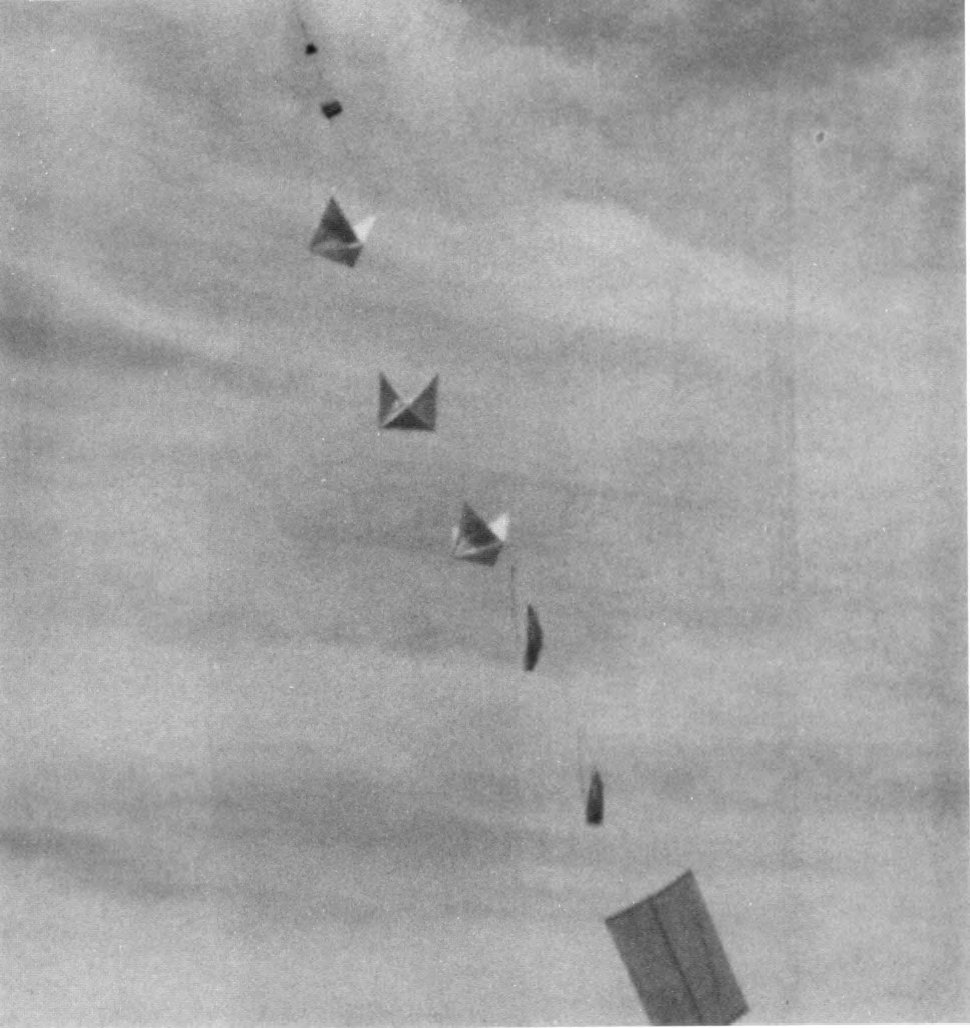
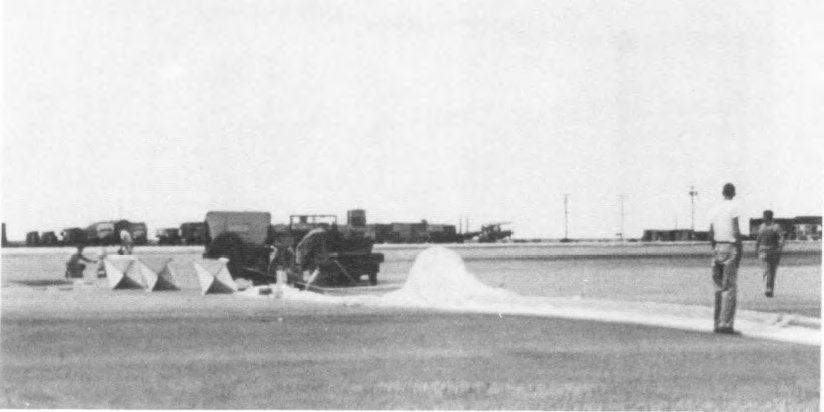
This is the official position today: real secret program, deliberate initial cover story, no extraterrestrials. It is supported by documents and by the physical description of the debris. It does not, however, satisfy everyone — partly because the government's own admission that it lied the first time is, paradoxically, fuel for those who suspect it may be lying again.
What We Know vs. What We Don't
Strip Roswell down to its verifiable core and a surprising amount is solid. We know that debris was genuinely found on a New Mexico ranch in the summer of 1947. We know that a U.S. military base issued an official press release using the words "flying disc," and that the announcement was retracted within a day and replaced with a weather-balloon explanation. We know that the weather-balloon story was, by the U.S. Air Force's own later admission, not the full truth — it was a cover for the classified Project Mogul. And we know that many of the most dramatic later additions — intact craft, recovered bodies, autopsy footage — surfaced decades afterward, rest on contested testimony, and in some cases have been openly exposed as hoaxes.
What we do not know with certainty is the exact chain of decisions inside the military in July 1947 — who authorized the original "flying disc" wording, and why an experienced intelligence officer would use language that guaranteed a media firestorm over what was supposedly routine balloon equipment. We cannot fully account for why some firsthand witnesses, including Marcel, insisted to the end that the material was unlike anything ordinary. And because the Cold War genuinely did involve deep secrecy and repeated official deception, the possibility that some detail remains withheld can never be disproven — only judged as more or less likely against the evidence.
Project Mogul closes the debris cleanly enough that I have stopped re-checking it. What I still have open is a smaller drawer: Marcel. He handled the material himself, said nothing for thirty years while it would have cost him something to speak, and then in retirement told interviewers it was not ordinary wreckage — and held to that until he died. Foil and sticks and tape is a complete explanation of the field. It is not, I find, a complete explanation of the man who picked them up.
That is the honest shape of Roswell. The extraterrestrial explanation is not supported by verifiable evidence, and the strongest documented account points to a secret balloon program and a clumsy cover story. But the case endures because it sits on a real, uncomfortable truth: a government agency admitted, in its own reports, that its first public explanation was a deliberate falsehood. Once a reader knows that, every reassurance afterward carries a small shadow of doubt — and that shadow is exactly where Roswell has lived for nearly eighty years.
The Last Question
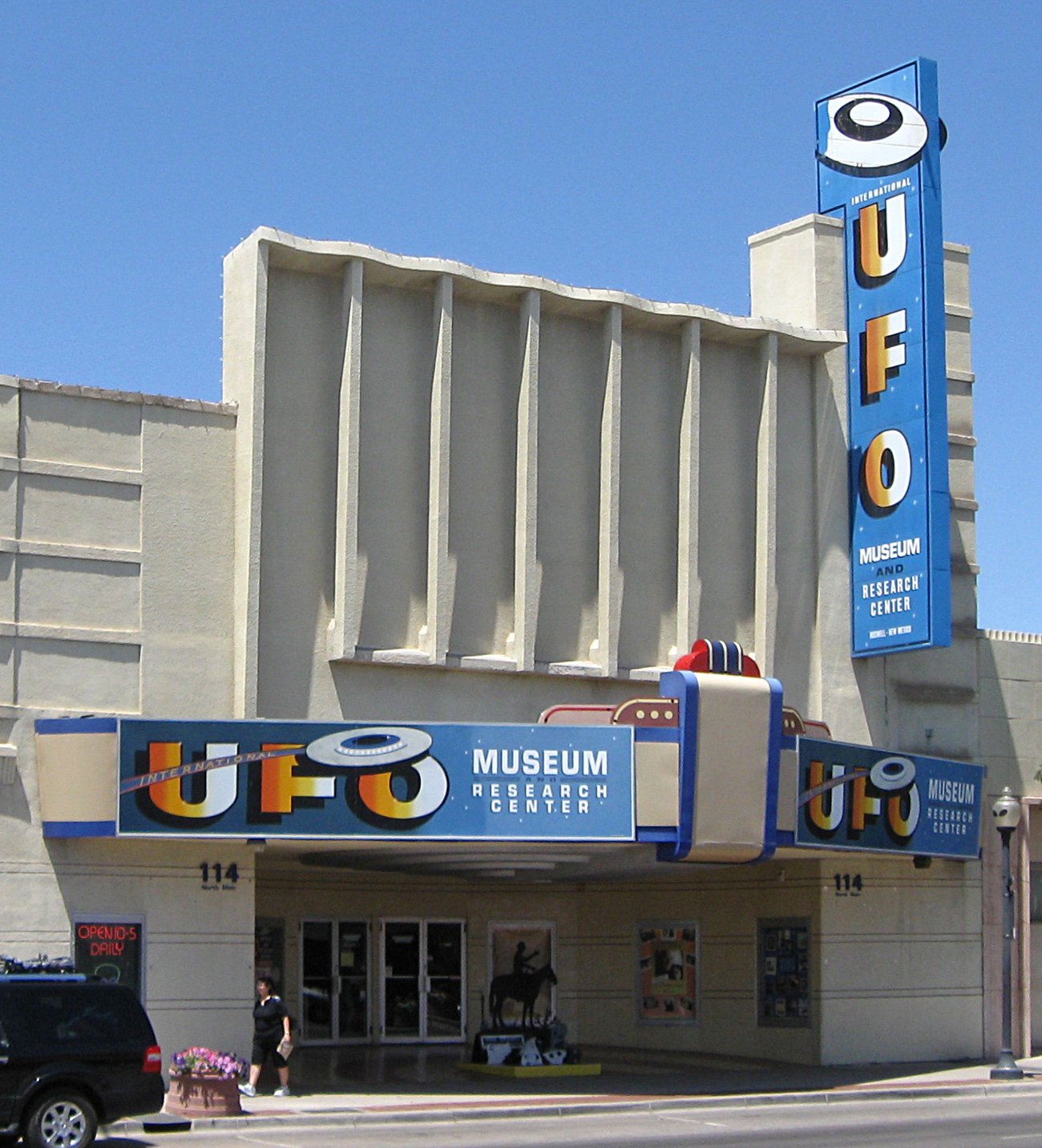
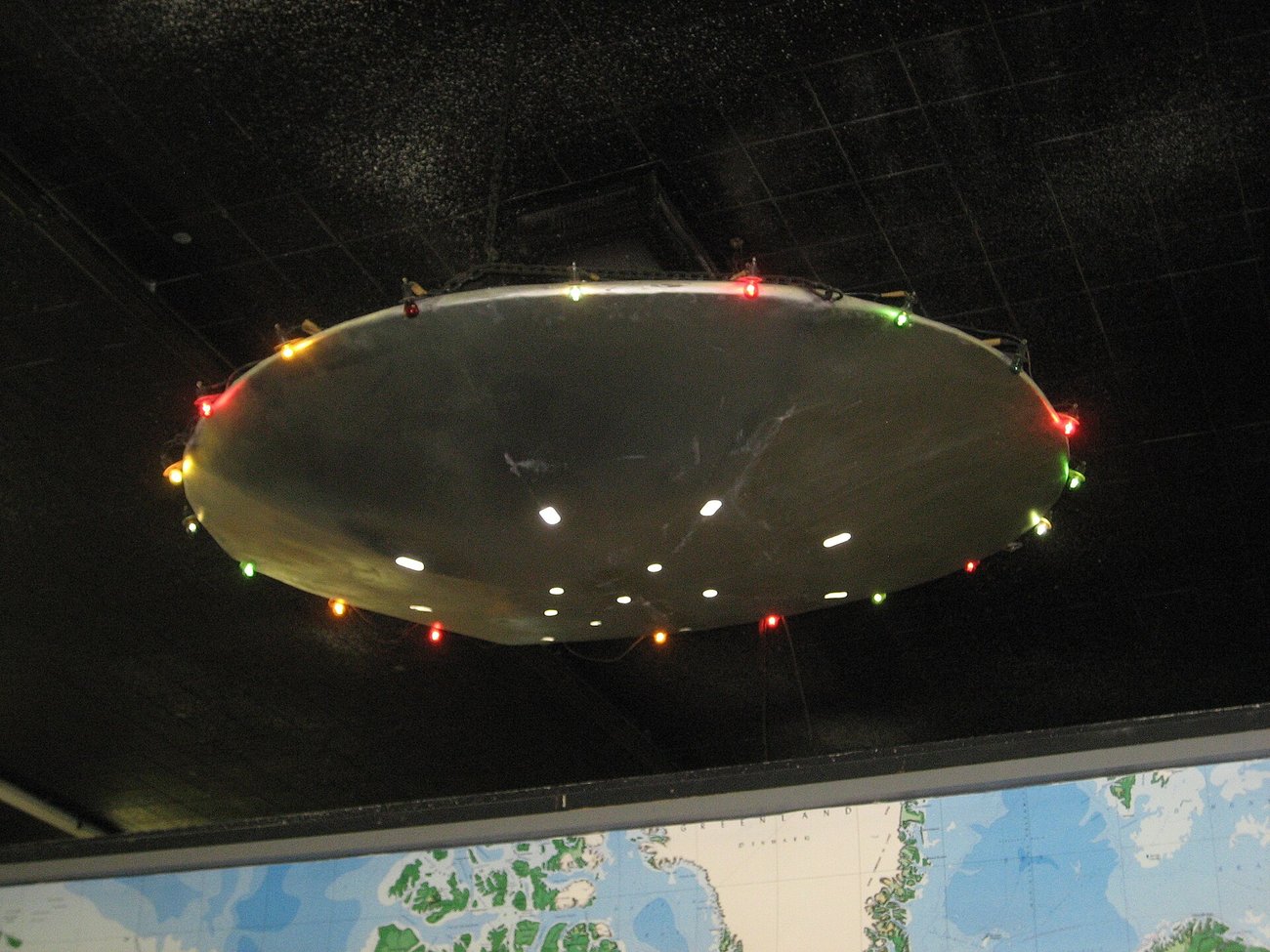
The debris is explained. The bodies are, by every credible account, a legend that grew in the retelling. And yet the town of Roswell now hosts a UFO museum and an annual festival, and millions of people who have read the full, sober explanation still feel that faint reluctance to close the file. The reason is not really about a balloon. It is about that first press release — the moment a serious institution said the impossible out loud, and then, overnight, insisted it had never happened. Roswell's true subject was never aliens. It was the exact moment a government told two different stories in two days, and asked the public to believe the second one.
---
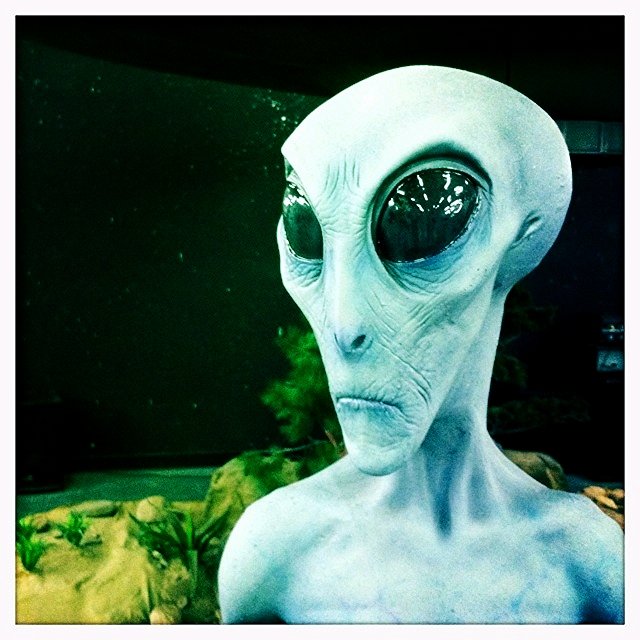
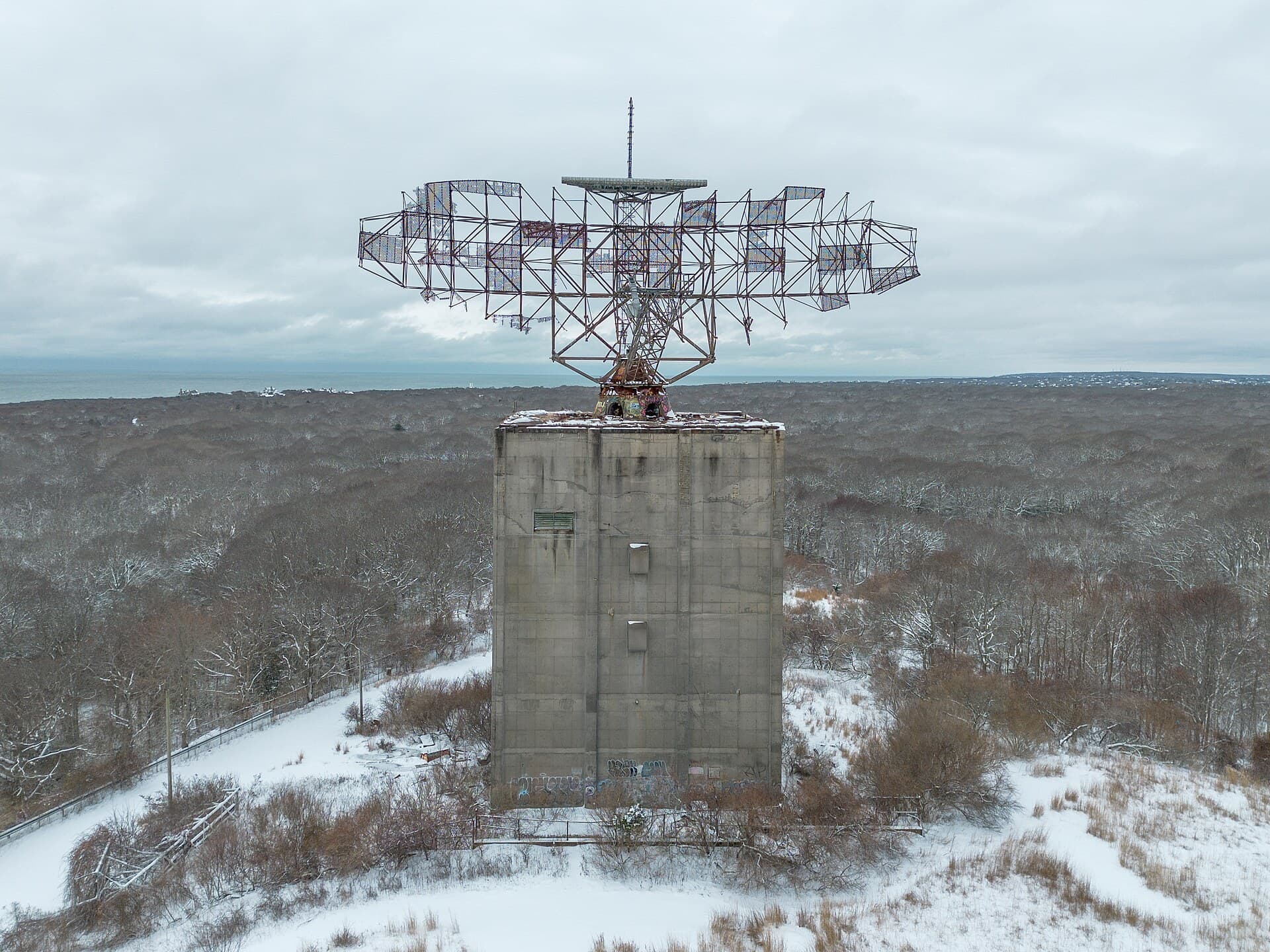
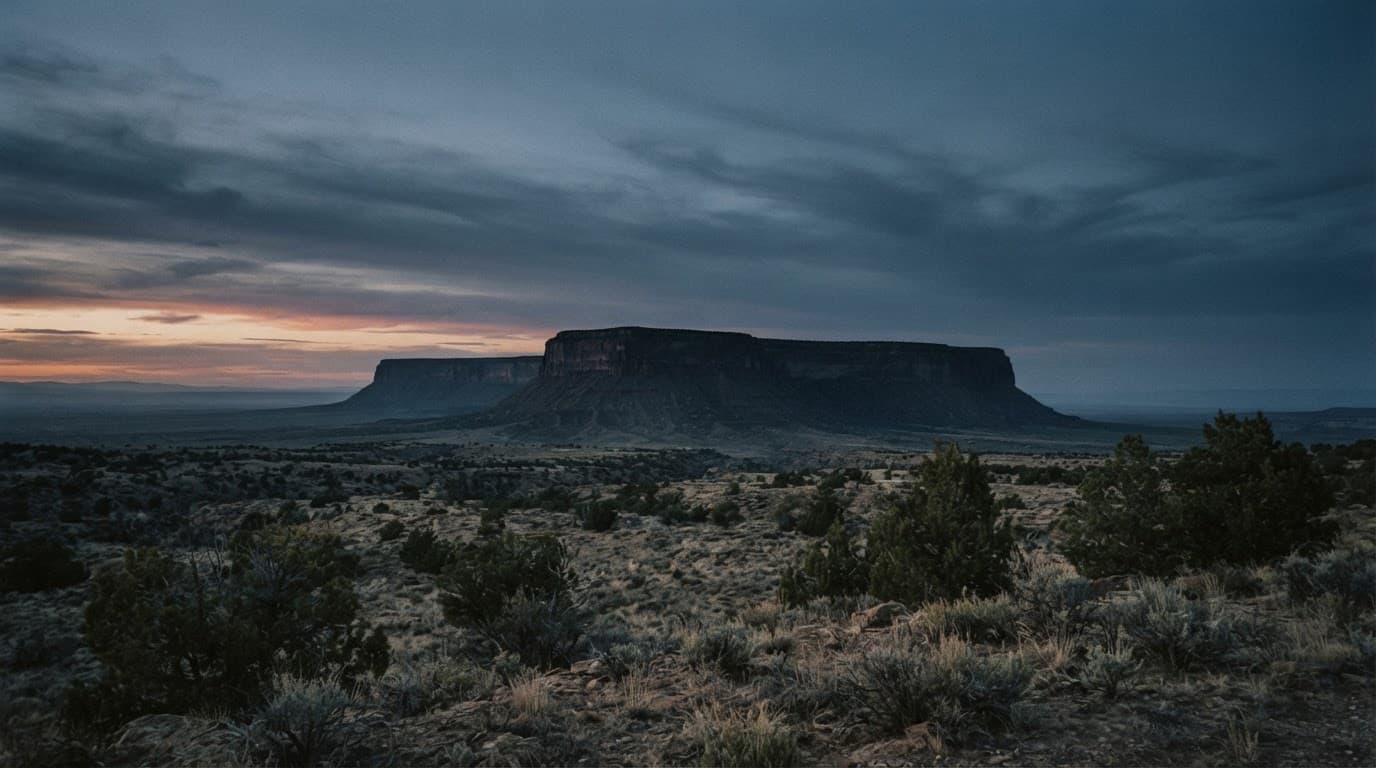
This article uses both genuine archival and on-site photographs and AI-generated images and video produced to convey the mood of the story.
Comments
No comments yet — leave the first one.