Almost everyone who has ever swum in deep water has had the same thought. Somewhere below your feet, in the dark you can't see into, something might be looking up. Science offers reassurance: there's nothing down there, you're fine. But here is the uncomfortable footnote to that reassurance — the total portion of the ocean that humans have actually explored is only a small fraction of it, with vast reaches of the deep still unmapped and unobserved. About the rest of that darkness, no one can make promises. Today's file is about the creature people imagine in that dark, and about why the science that buried it can't quite make everyone stop looking. Its name is Megalodon.
This is not the kind of file I usually keep. There is no missing person in it, no unexplained death, nothing a court could have taken up. It went into the archive anyway because of a single line I found while chasing something else entirely — a note about two teeth dredged up by HMS Challenger and later dated by the crust on their surfaces. The dating is bad. I want to be clear that I know the dating is bad. But I have now read that account perhaps a dozen times, and each time the same thing snags: someone measured, and the number came back small.
The Most Perfect Predator That Ever Lived
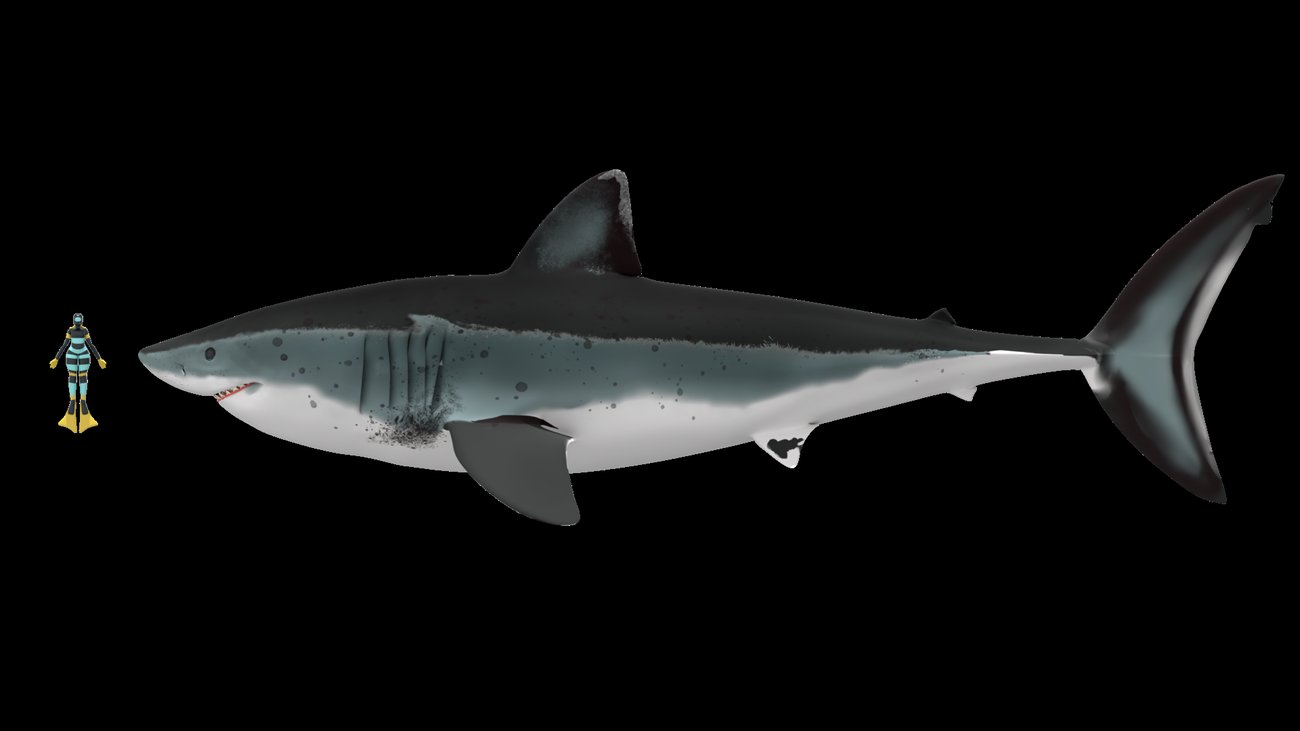
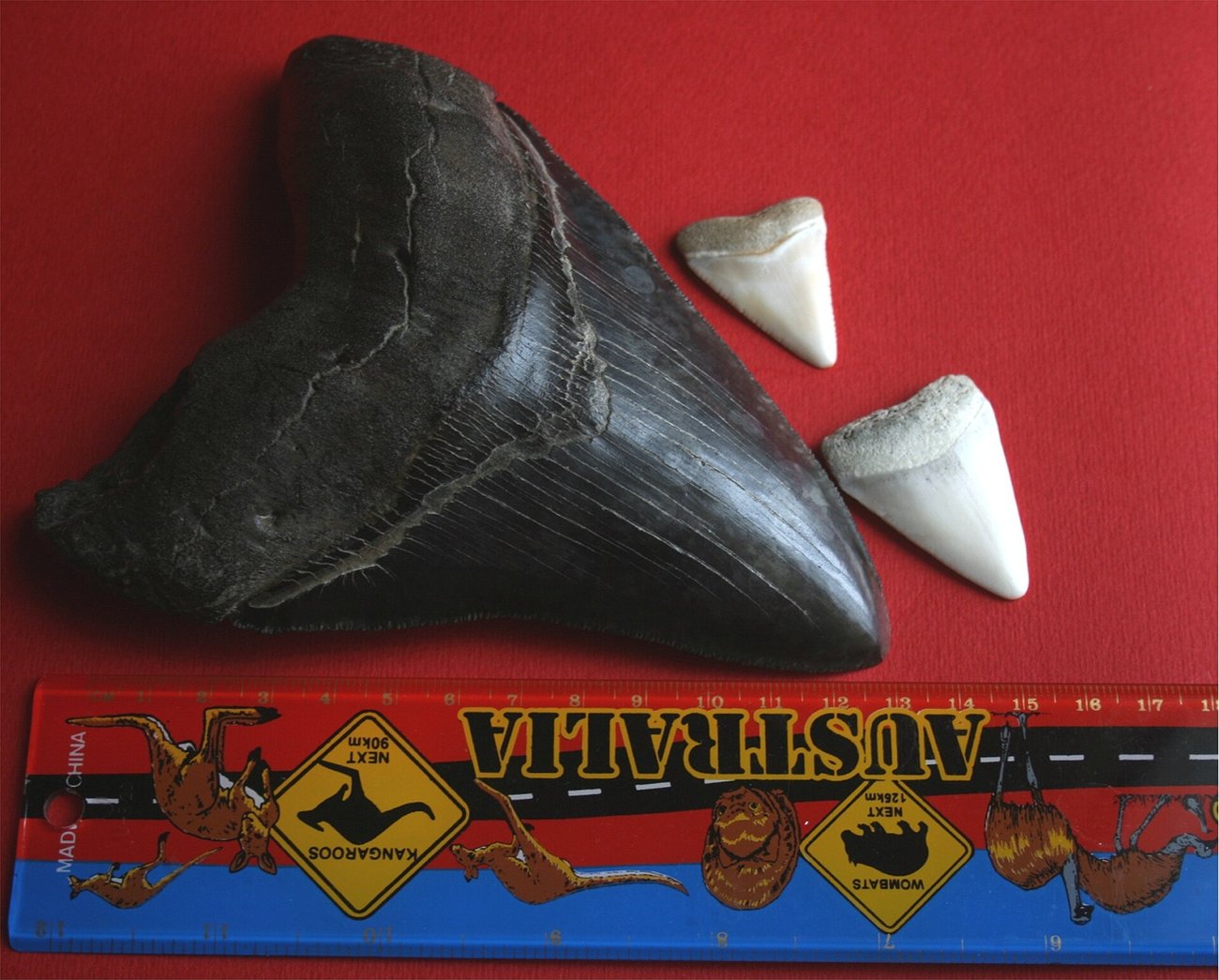
Megalodon is not a legend. It was a real animal, and the fossil record proves it beyond any doubt. Estimates of its length reach up to around 15–20 meters — long enough that a great white shark, the terror of our oceans at 5–6 meters, would stand beside it like a small child next to an adult.
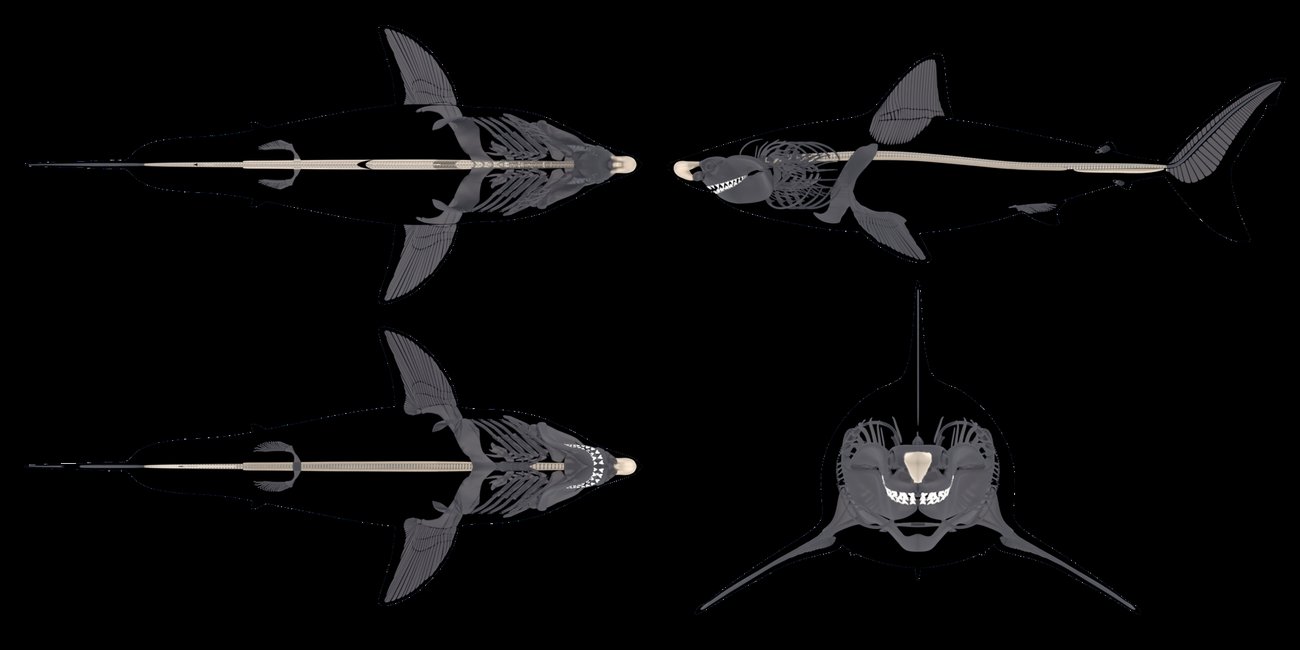
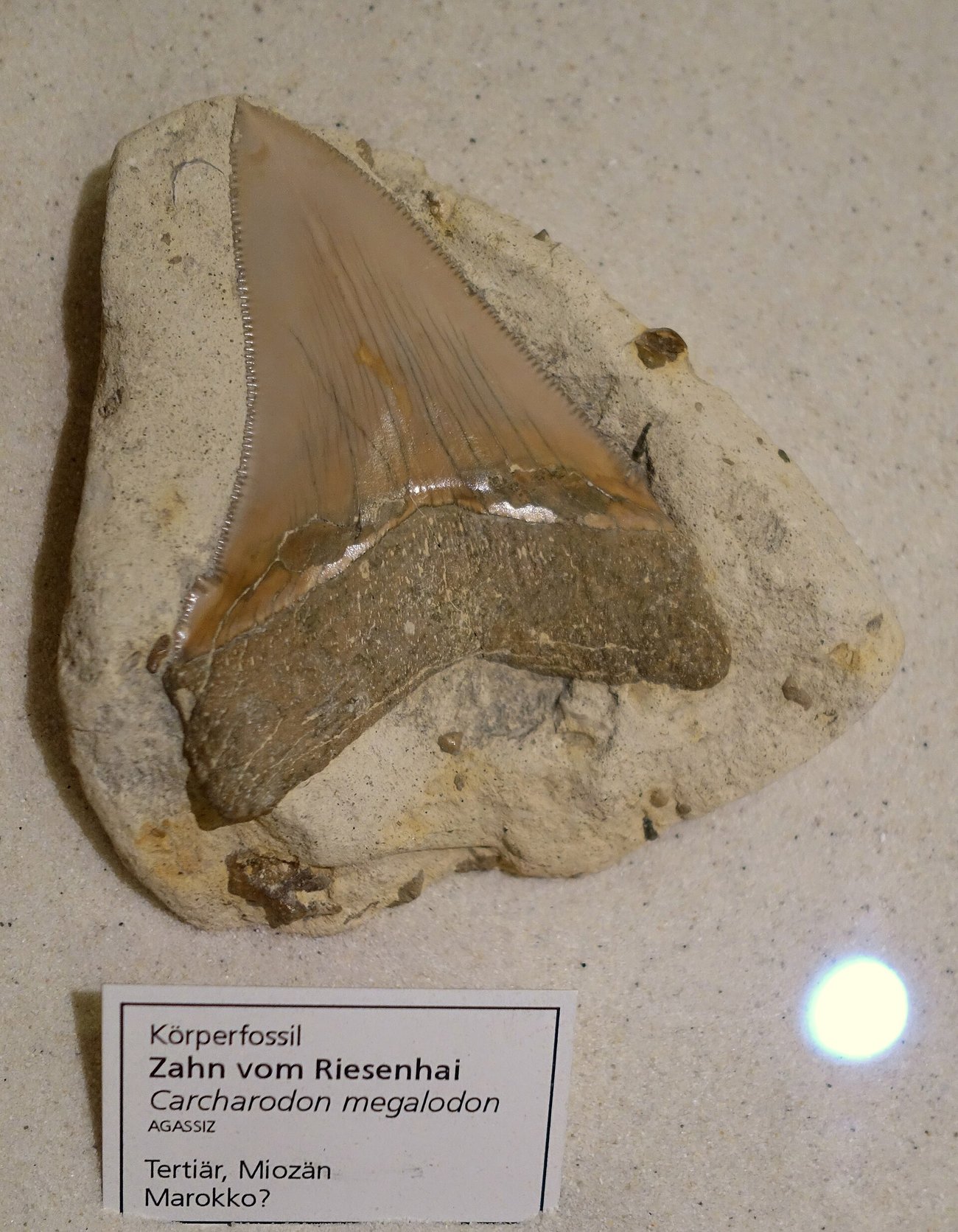
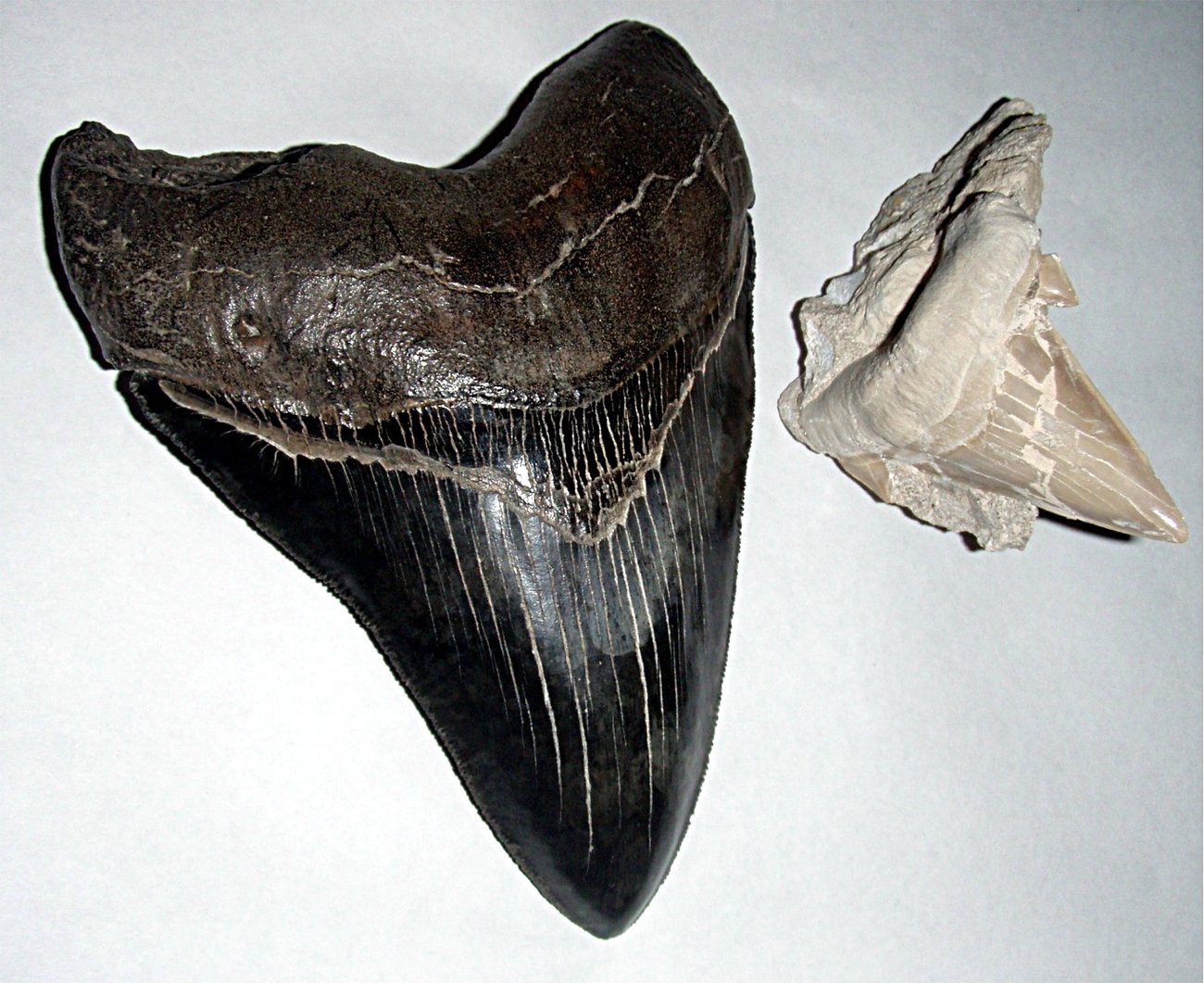
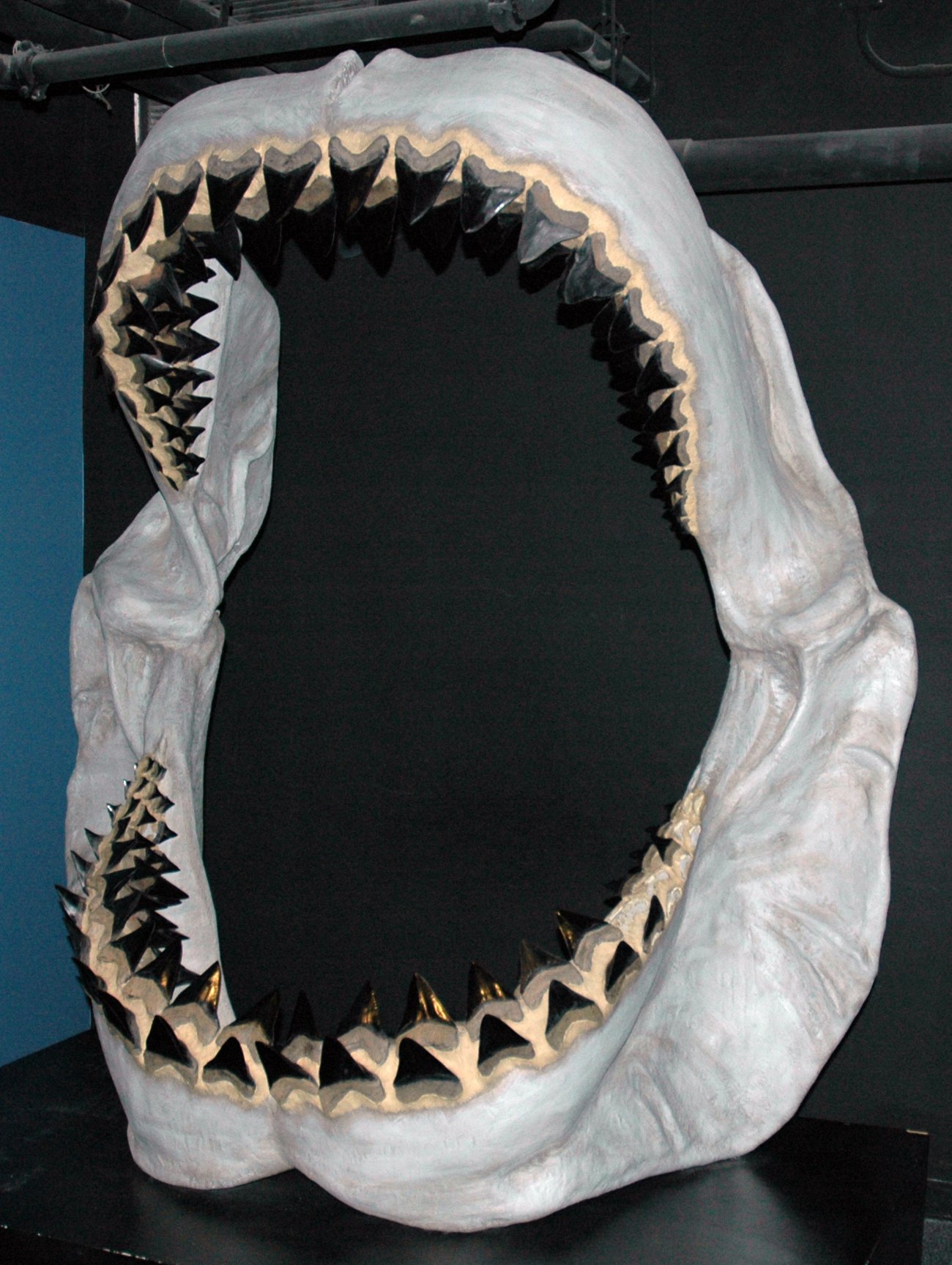
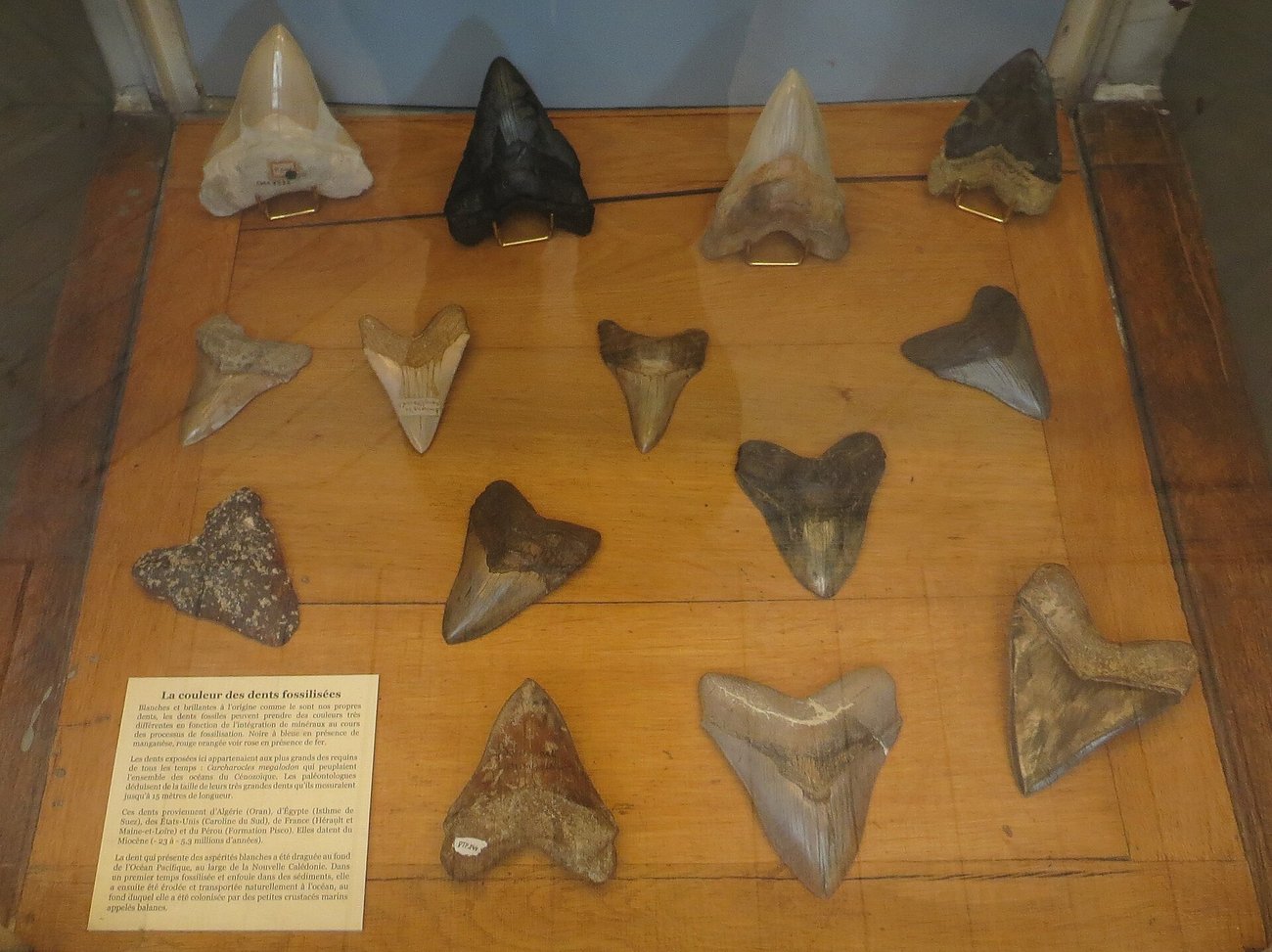
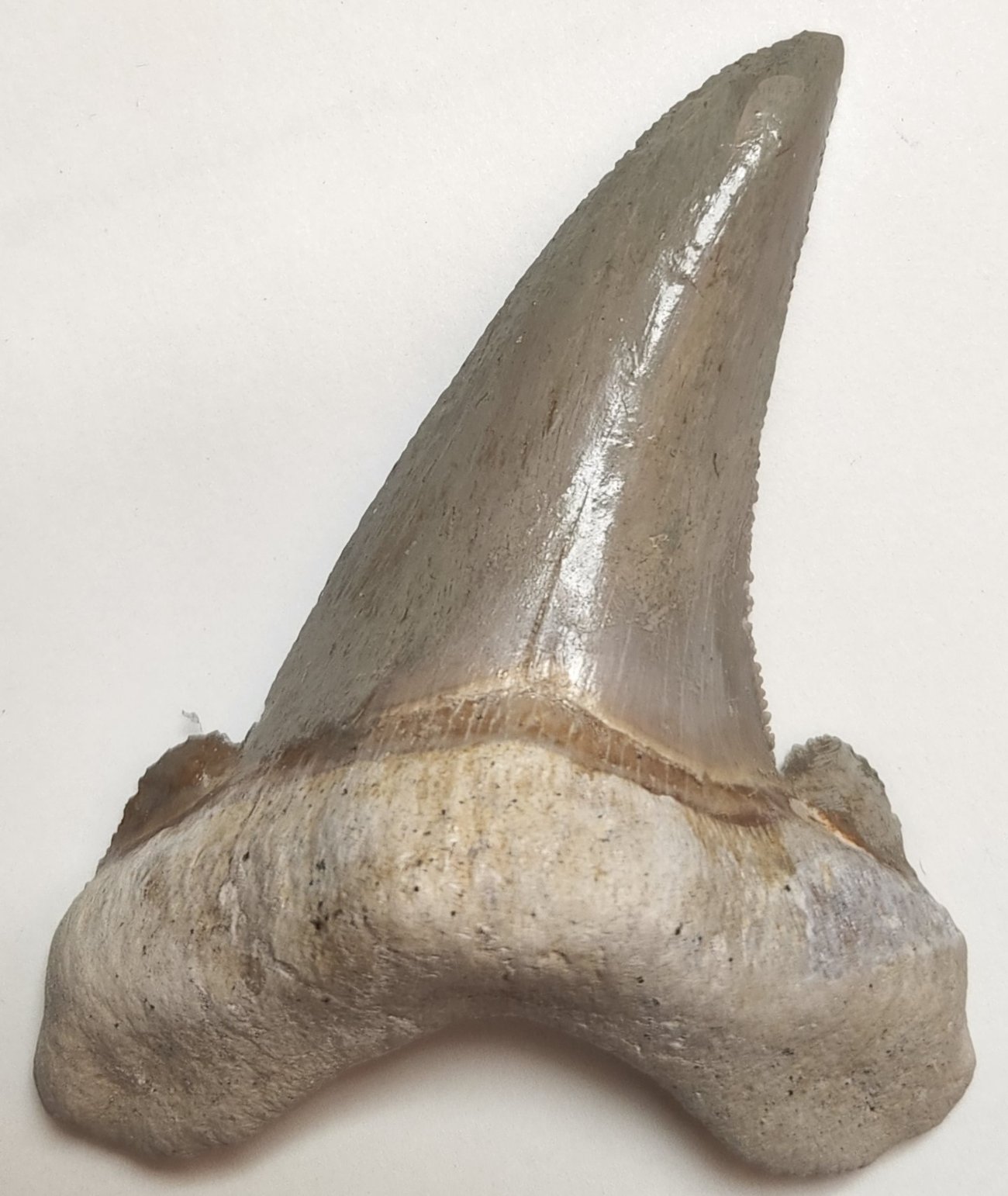
Its teeth are the headline. A single Megalodon tooth can be larger than a grown person's hand — the biggest specimens reach roughly 18 centimeters. From the size and structure of those teeth and reconstructed jaws, scientists estimate a bite force in a range that dwarfs anything alive today, and that is often described as several times more powerful than that of Tyrannosaurus rex. No animal in the history of the planet is thought to have bitten down harder.
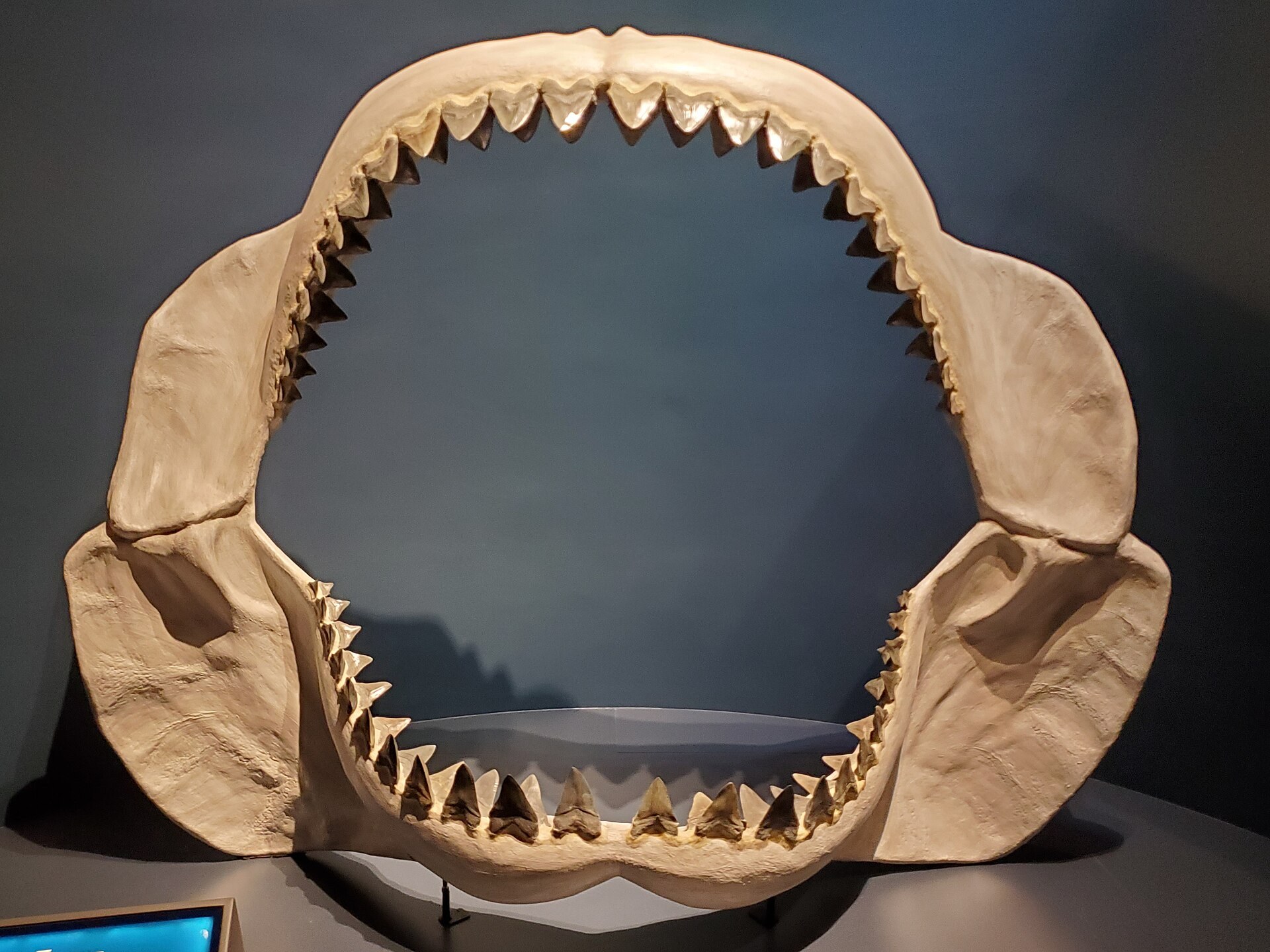
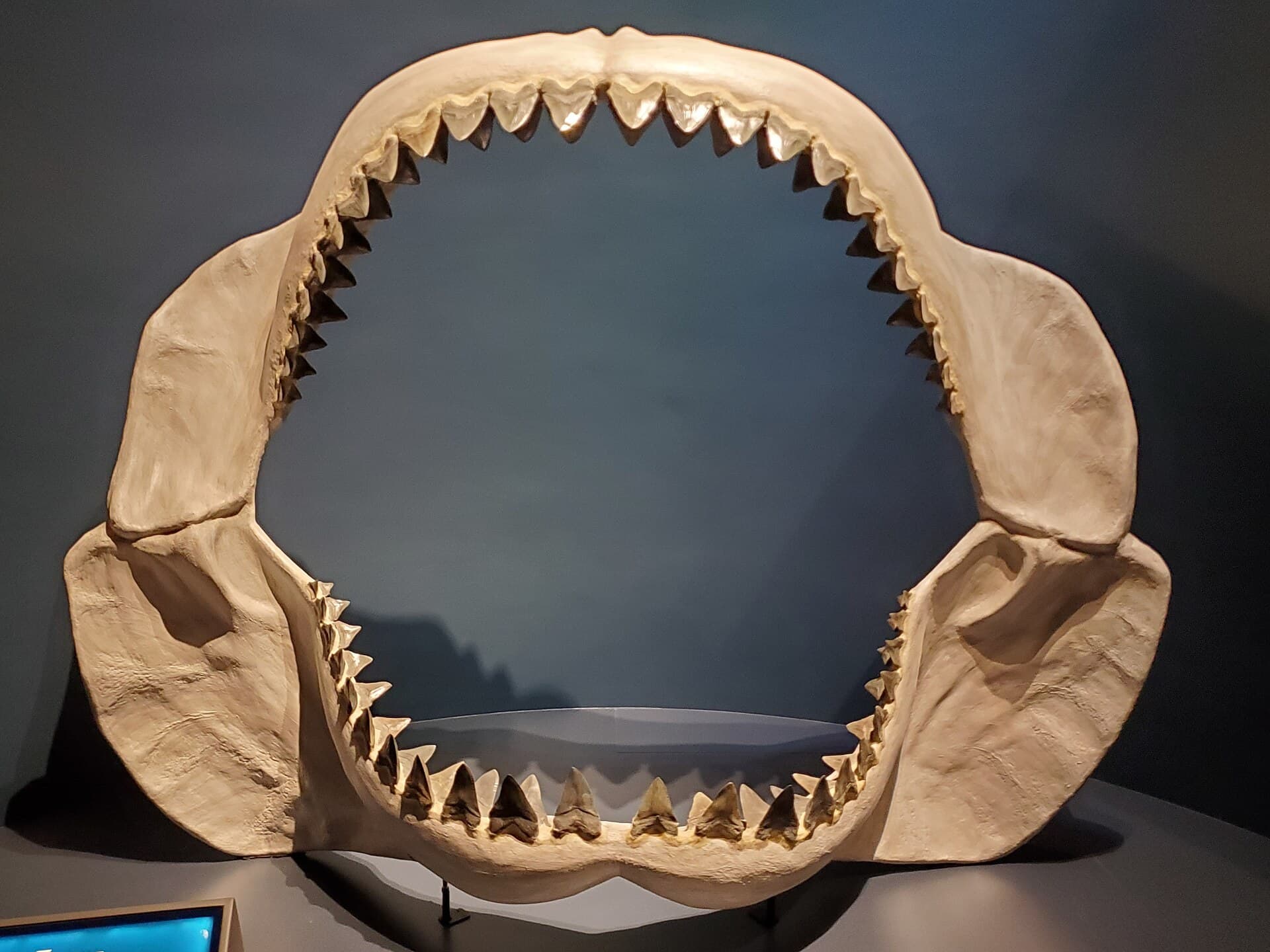
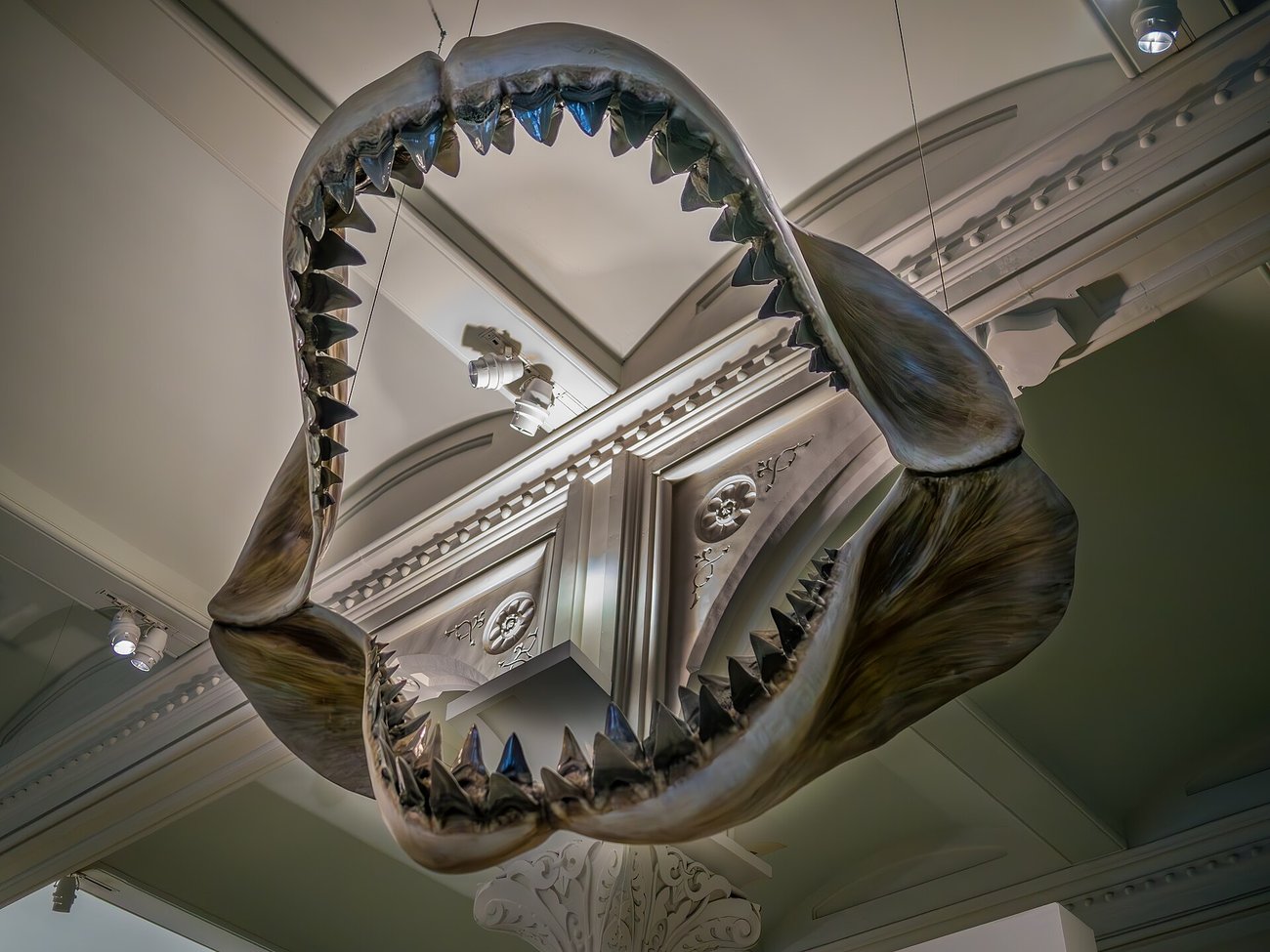
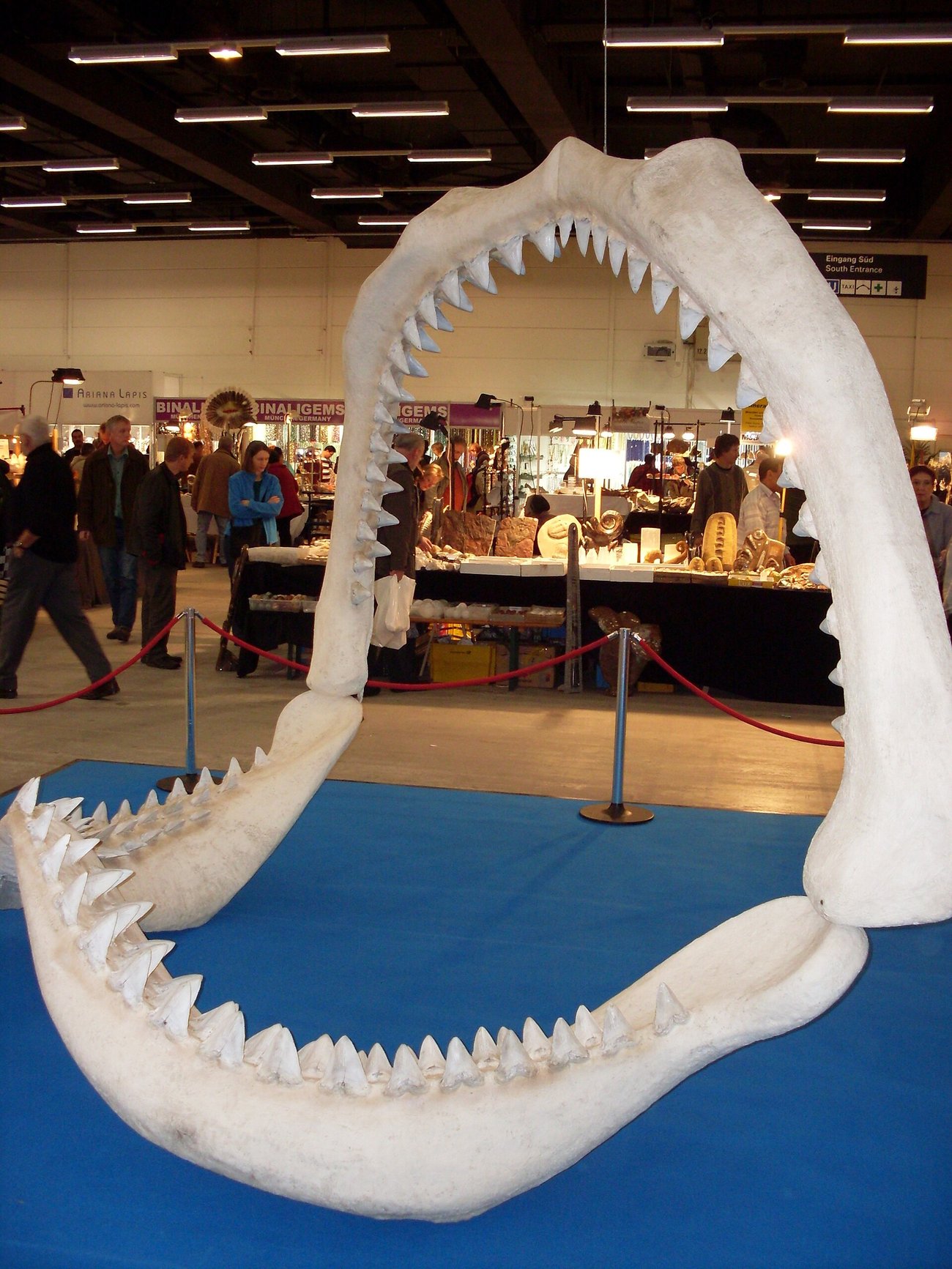
You can see this for yourself. Natural history museums display reconstructed Megalodon jaws so large that an adult can stand upright inside the arc of teeth. And the fossils are not rare curiosities from one place — Megalodon teeth wash up from seas all over the world, from near Antarctica to the coastal waters off East Asia. For a long stretch of Earth's history, effectively every ocean on the planet was this animal's hunting ground. It ate whales; fossil whale vertebrae bearing Megalodon bite marks are common finds. It shared the seas with Livyatan, a monstrous predatory sperm whale of comparable size, and scientists have imagined an encounter between the two as perhaps the single greatest clash of predators the oceans ever staged.
Then, roughly 3.6 million years ago, Megalodon disappeared. The leading explanation is a combination of pressures: cooling oceans, shifting food supplies as its prey changed, and competition from smaller, faster, more adaptable hunters — the ancestors of today's great whites among them. That is where the textbook closes the case. The animal is gone. The story, for most people, ends there.
The Tooth That Started the Rumor
Except for a tooth. In 1875, the British survey ship HMS Challenger — humanity's first great expedition to systematically sample the world's deep oceans — hauled up material from the red clay of the South Pacific seafloor, thousands of meters down. Among the recovered specimens were Megalodon teeth. On its own, that is not strange; teeth are fossils, and fossils are old.
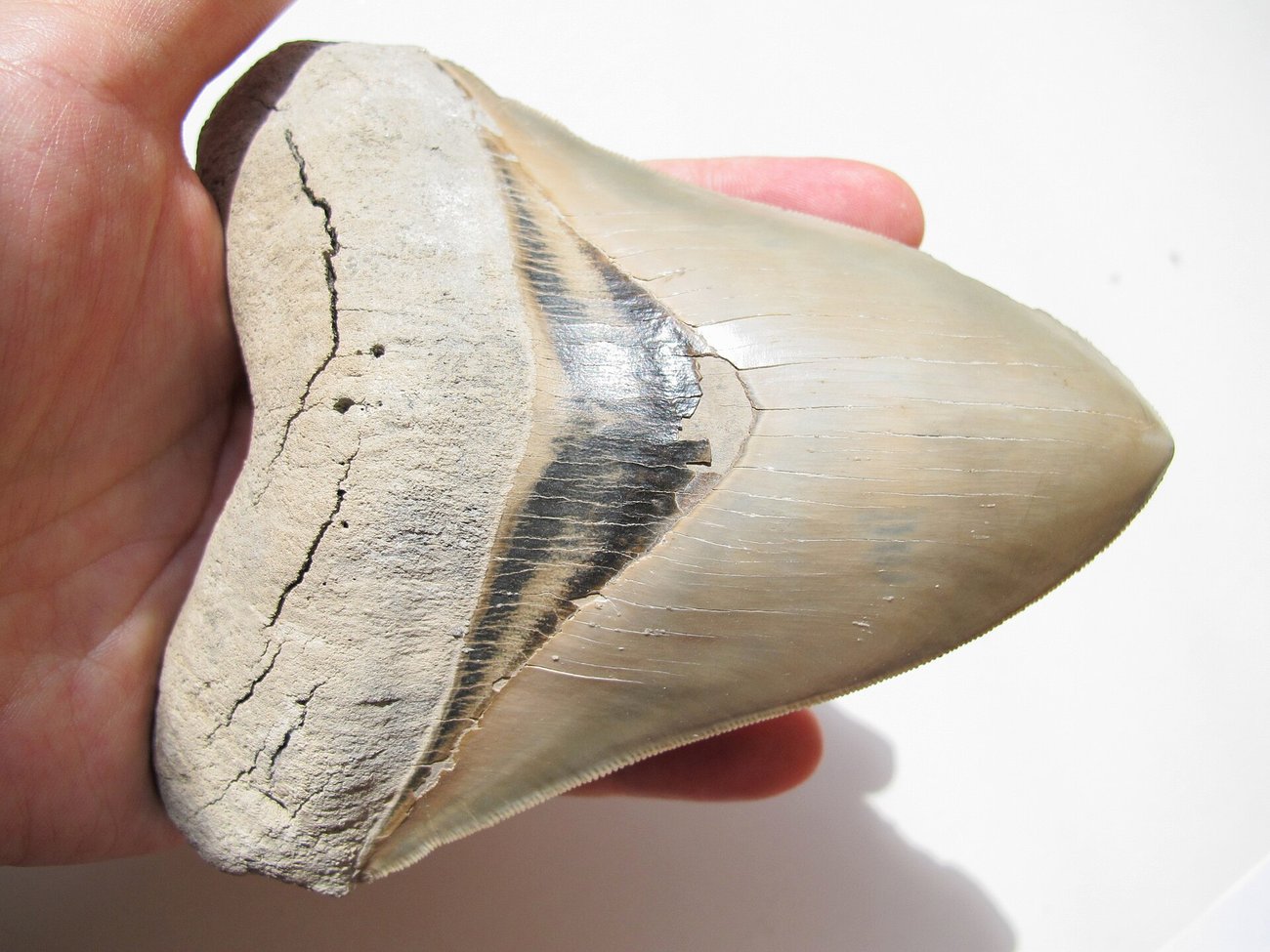
The strangeness came later, from a disputed dating attempt. In the twentieth century, a researcher tried to estimate the age of two of those teeth by measuring the manganese dioxide crust that had slowly accumulated on their surfaces over time. The numbers he produced were startlingly recent — on the order of tens of thousands of years, rather than millions. If those figures were correct, it would mean Megalodon teeth had been forming while Ice Age mammoths still walked the Earth, long after the species was supposed to be extinct.
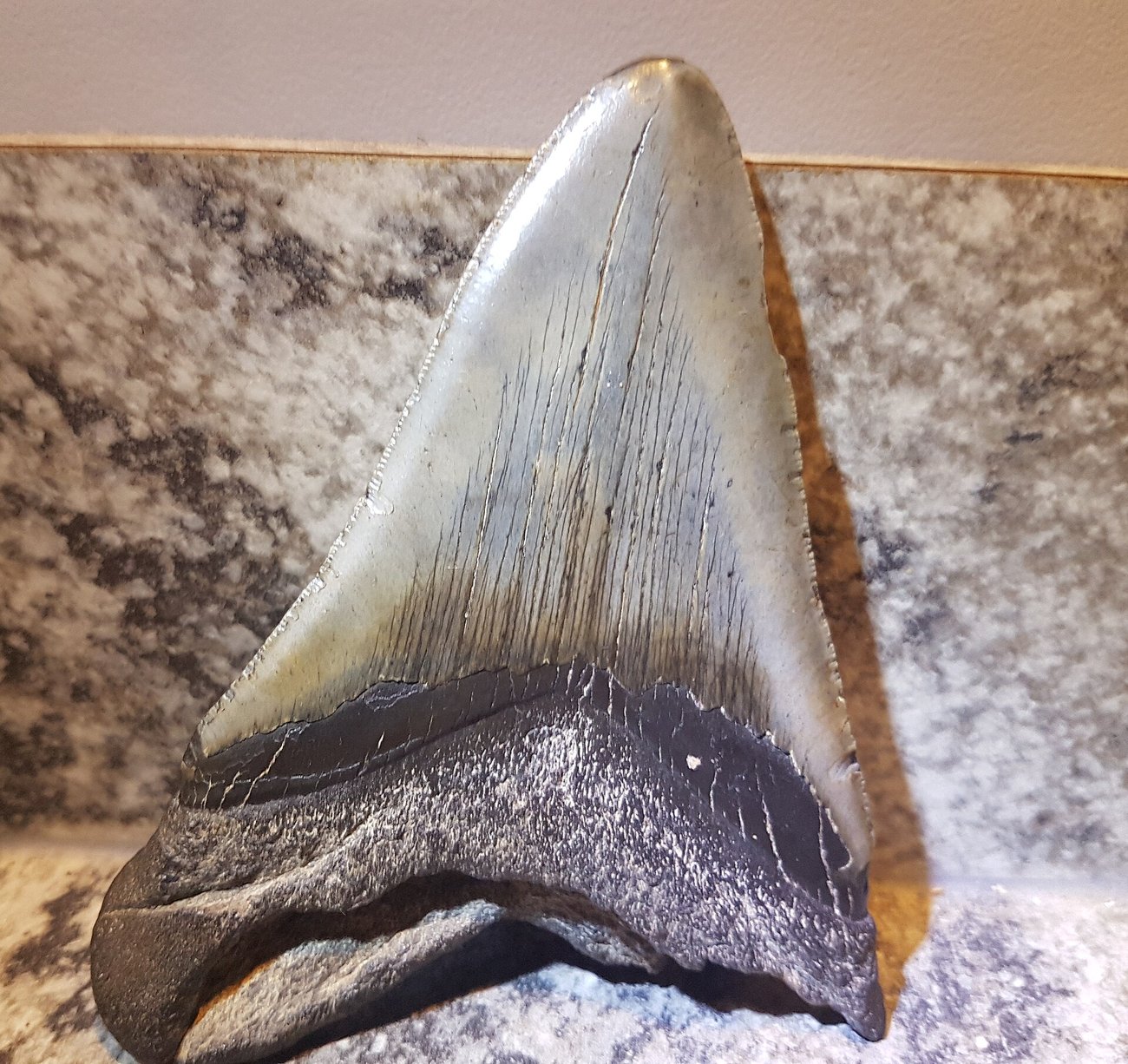
It is essential to be clear: this dating method has been heavily criticized and is not accepted as reliable. The manganese-crust technique is problematic, and most scientists regard the "recent" ages as an error rather than evidence. But the damage to the tidy textbook story was already done. Once the phrase "still down there somewhere" was attached to a real deep-sea tooth, the idea caught fire — and it has never quite gone out.
Fishermen, and a Fish That Came Back From the Dead
Around 1918, off Port Stephens in New South Wales, Australia, local fishermen reportedly began refusing to go out to sea. The story was recorded by an Australian naturalist named David Stead, who took the accounts seriously enough to write them down. The fishermen described a colossal, pale, ghostly shark that had appeared in their waters and swallowed lobster pots — heavy traps up to a meter across — whole. Their size estimate was frankly impossible: some claimed the creature was tens of meters long. Even discounting the exaggeration that fear breeds, the core of the account is hard to wave away: experienced men who had spent their lives on that water were frightened enough by something to stop fishing. Stead reportedly never fully dismissed what they told him.
To skeptics, this is just a tall tale. But believers hold up a single fish in reply: the coelacanth. This is a lobe-finned fish older than the dinosaurs, and for a long time it was known only from fossils. Science had declared it extinct for tens of millions of years — a creature that existed only as an impression in stone. Then, in 1938, a living coelacanth was pulled up in a fishing net off South Africa, entirely alive. For tens of millions of years it had been quietly swimming in the deep sea while humanity insisted it was gone. That is the coelacanth's real, documented lesson, and it is genuinely unnerving: a species that science had firmly stamped "extinct" turned out to be very much alive, hiding in deep water the whole time. The precedent exists. That is what makes people uneasy.
A Sound From the Deep
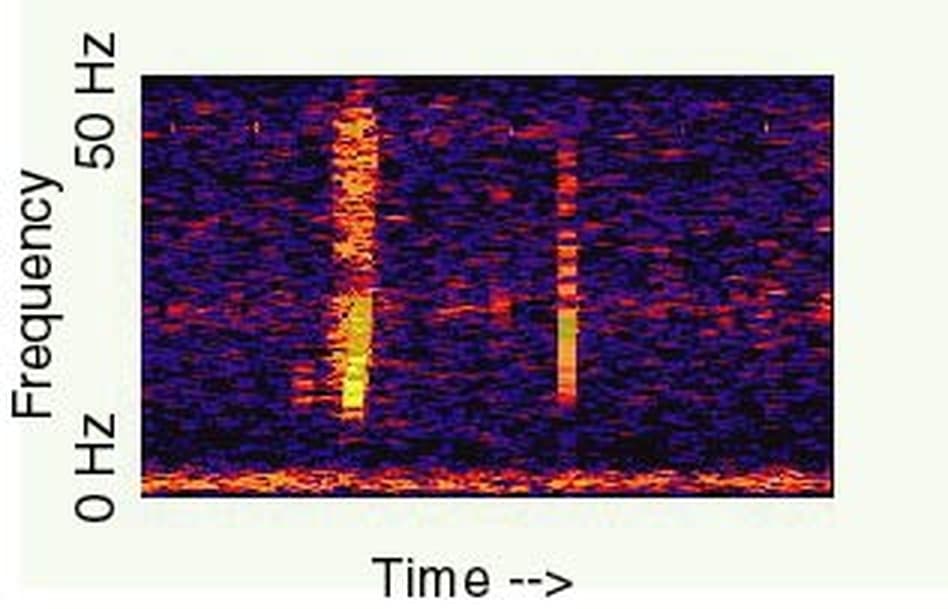
In 1997, hydrophones operated by the U.S. National Oceanic and Atmospheric Administration (NOAA) picked up an extraordinarily loud underwater sound in the South Pacific. Nicknamed the "Bloop," it was powerful enough to be detected by sensors thousands of kilometers apart — louder than the calls of the blue whale, Earth's largest known animal — and yet its waveform had a curiously organic, biological character. The internet did what the internet does: that's Megalodon.
Years later, NOAA reached an official conclusion. The Bloop, they determined, was the sound of a large icequake — the cracking and fracturing of Antarctic ice, whose acoustic signature can indeed resemble a living call. Most scientists accept this explanation, and it is almost certainly correct. Still, a stubborn minority repeat the same quiet point they always do: right up until the day before the coelacanth was caught, the "scientific" position was that the coelacanth did not exist.
The Science, and the Doubt That Won't Sink
Let's be honest about where the evidence actually points, because it points clearly. The mainstream scientific answer to "is Megalodon alive?" is a confident no, and for good reasons. Megalodon appears to have been a warm-water, relatively shallow-sea hunter, poorly suited to the cold, crushing, food-scarce environment of the deep abyss where survivors would supposedly hide. If a population of 15-meter apex predators were still eating whales, we would expect to find fresh evidence — recent bite marks on carcasses, sightings by the countless ships and instruments now crossing the oceans, something. Across 3.6 million years, that evidence is absent. In science, a total absence of trace over that span is treated as exactly what it looks like: absence of the animal. That reasoning is sound. Megalodon is almost certainly gone.
And yet one fact refuses to settle. Humanity has mapped the surface of the Moon and Mars in detail, while much of our own ocean floor remains less thoroughly surveyed than those distant worlds. We have better maps of the near side of the Moon than of large stretches of our own seabed. Consider the anglerfish and the other genuinely alien-looking creatures that we know live in the deep — nightmare faces that are real, photographed, catalogued. If that is what we've already found in the small portion we've explored, no one can say with certainty what fills the vast dark we haven't.
What We Know vs. What We Don't
What we know is firm. Megalodon was a real, enormous prehistoric shark, documented by a rich fossil record of teeth and reconstructed jaws found worldwide. The scientific consensus is that it went extinct roughly 3.6 million years ago and is not alive today, and the reasoning behind that consensus — its ecology, and the millions of years of missing evidence — is strong. We also know that the famous "recent" tooth dating has been discredited, and that the Bloop was most likely an icequake, not a monster.
What we do not know is everything the deep ocean still hides. We cannot claim to have searched it thoroughly, because we simply haven't. The coelacanth stands as a permanent, documented reminder that "extinct" has, at least once, turned out to be wrong in the most dramatic way possible. That single precedent doesn't resurrect Megalodon — the evidence against its survival is far too strong — but it does explain why the question won't die. It isn't really a question about one shark. It's about how little of our own planet we have actually looked at.
So this summer, when you wade into the sea, you might let the thought cross your mind just once. The darkness beneath your feet may be water that human light has never touched. And if something in it happens to be looking up at you, remember how you'd appear from below — a small, warm shape drifting on the surface, like a seal.
What I cannot file properly is David Stead. He was a naturalist, a careful man by profession, and in 1918 he wrote down what the Port Stephens fishermen told him instead of laughing at it — men who had worked that water their whole lives and would not go back out. The lobster pots swallowed whole are almost certainly exaggeration. The refusal is not. Something ended their season, and the record preserves only their fear and none of its cause, which is the worst possible way for a document to survive.
---
The images in this article are actual archival photographs and photographs of specimens and museum exhibits.


Comments
No comments yet — leave the first one.