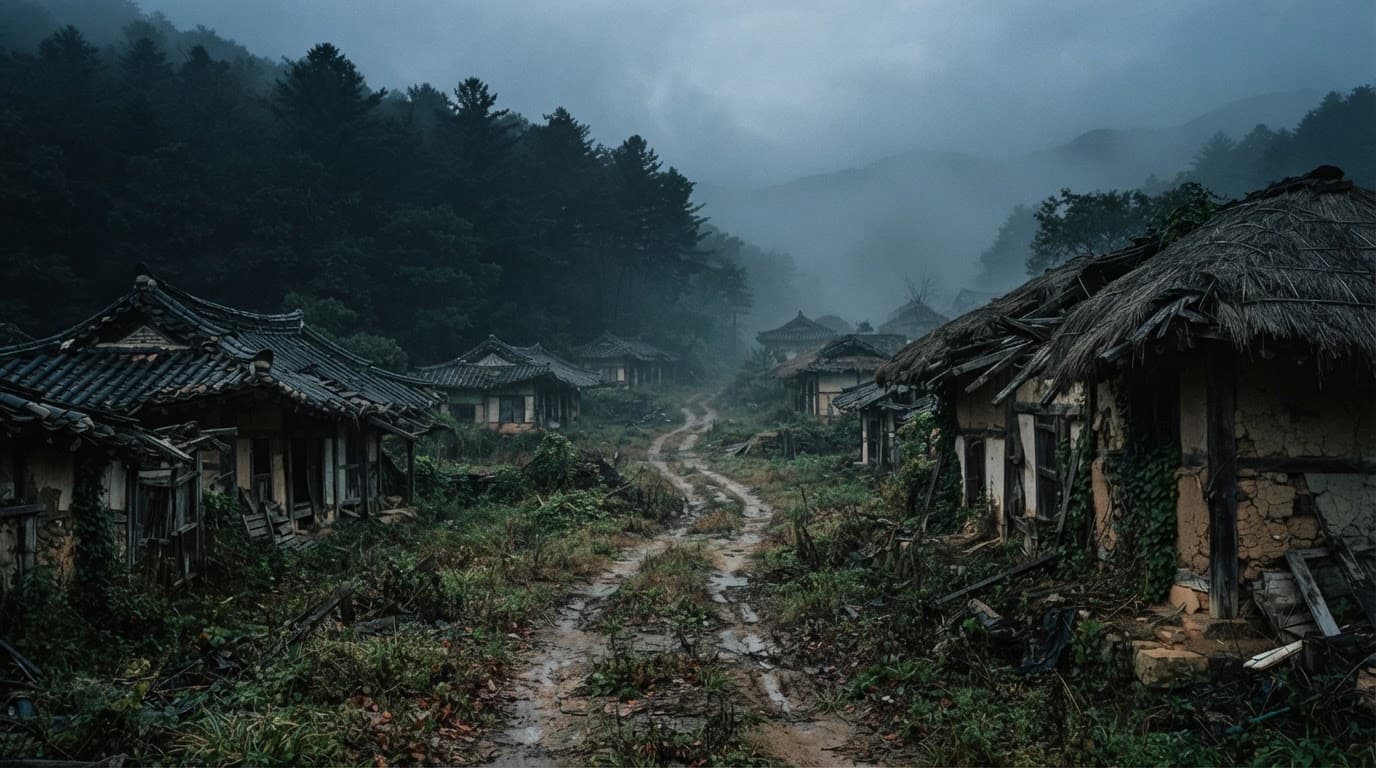
Every country keeps a house it tells stories about. In Korea, the story that will not settle belongs to a village called Gapdun-ri — Gapdun-ri, in Inje County, Gangwon Province, about two hours from Seoul by car. It is a real place; you can find it on a map. And within it stands a single house that Koreans routinely name among the nation's most haunted. Before we open this file, a note for readers outside Korea: much of what follows is oral tradition — the kind of local legend that thickens with each retelling — layered over a genuinely tragic historical backdrop. We'll keep the documented history and the folklore clearly apart. The tale begins, as so many Korean tragedies do, with a war.
Of the Korean haunted sites I keep files on, this is the one where the paperwork and the folklore refuse to meet. There are county records, a war, a real recovery effort, a village name you can find on any map — and then a shaman under the eaves in 1977 with no document behind her at all. I have looked. What survives of her is a single sentence that everyone repeats identically: that she had no reason to do it. Oral tradition usually varies in the details. This one does not vary, and I have never decided whether that is a sign of truth or of a phrase people are careful to say the same way.
What the War Left Behind
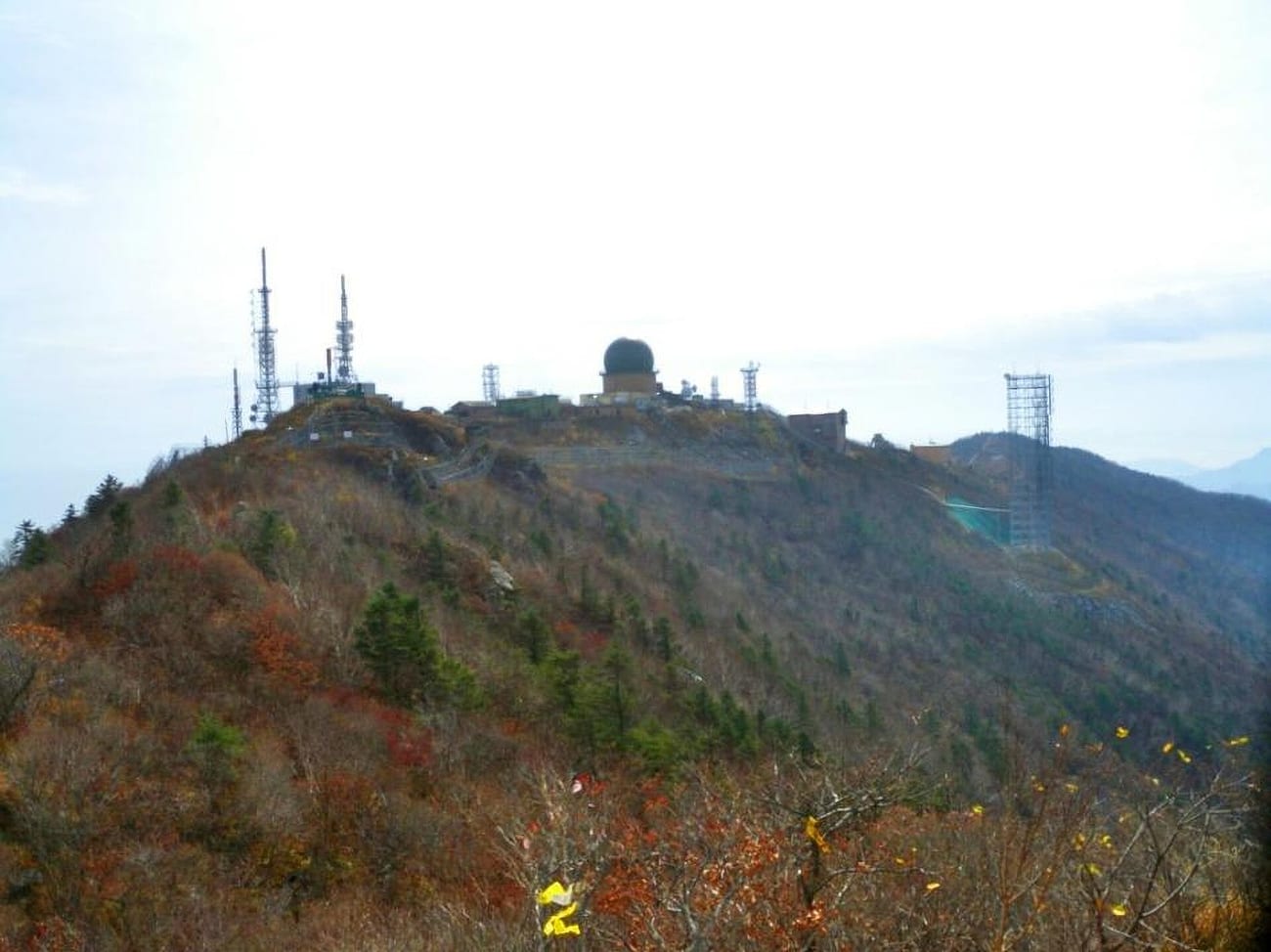
To understand Gapdun-ri, you need to understand the ground it sits on. During the Korean War (1950–1953), the mountainous terrain of Gangwon Province saw some of the most brutal fighting of the conflict. Countless soldiers died in these hills, and the mountains here are, in the most literal sense, saturated with the dead — a fact of Korean geography that shapes how the land is remembered.
The legend holds that after the armistice, in the mid-1950s, a remains-recovery effort was carried out in the area to exhume and honor the war dead. And here the folklore begins to color the history: the recovered remains, it is said, came up in a disturbing state — the bones of many different people tangled together, impossible to separate or identify. Whether one reads this as documented fact or as the story growing darker in the telling, it set the tone for everything that followed.
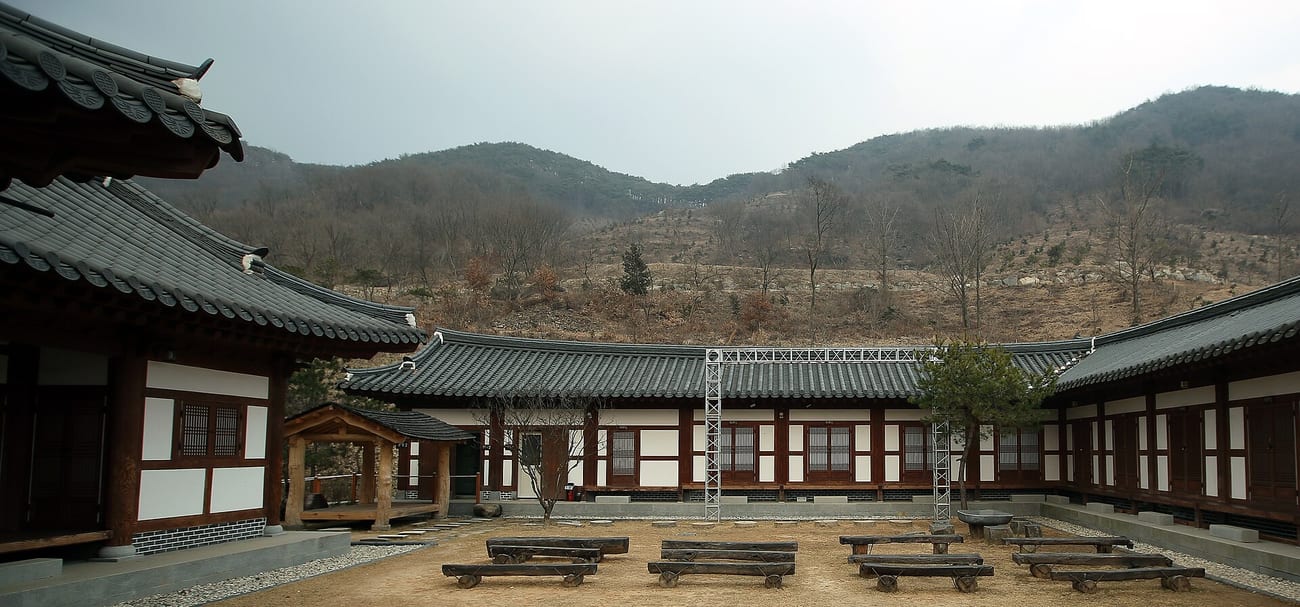
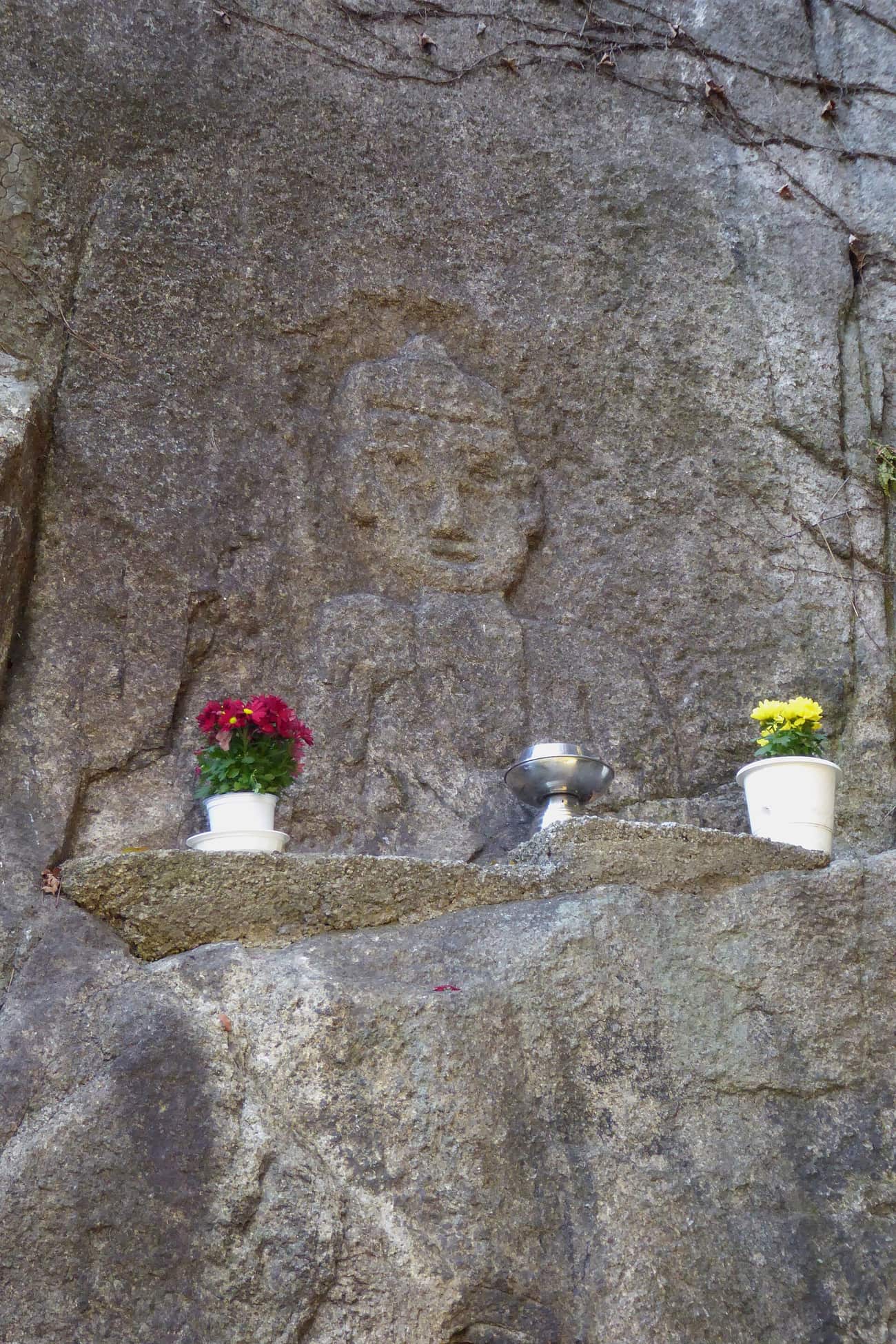
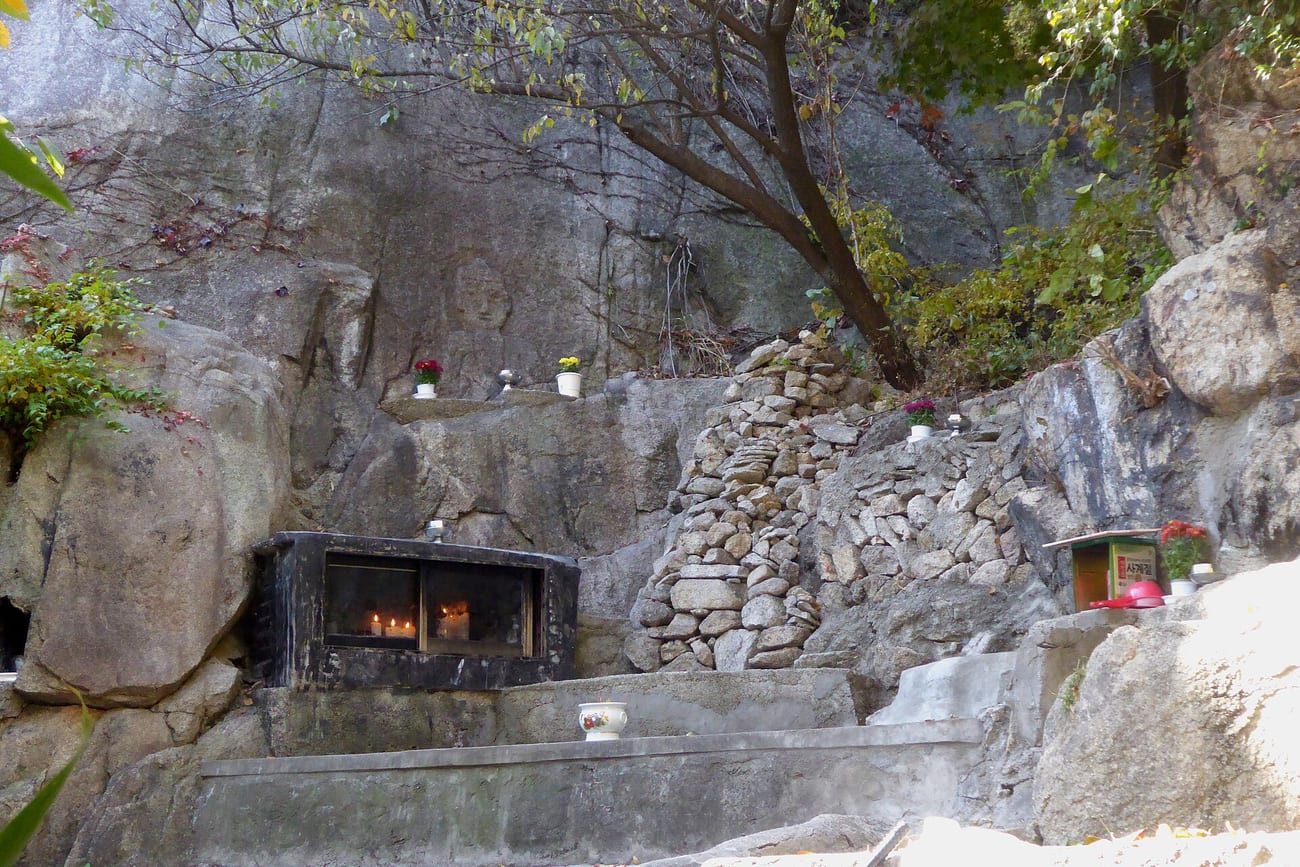
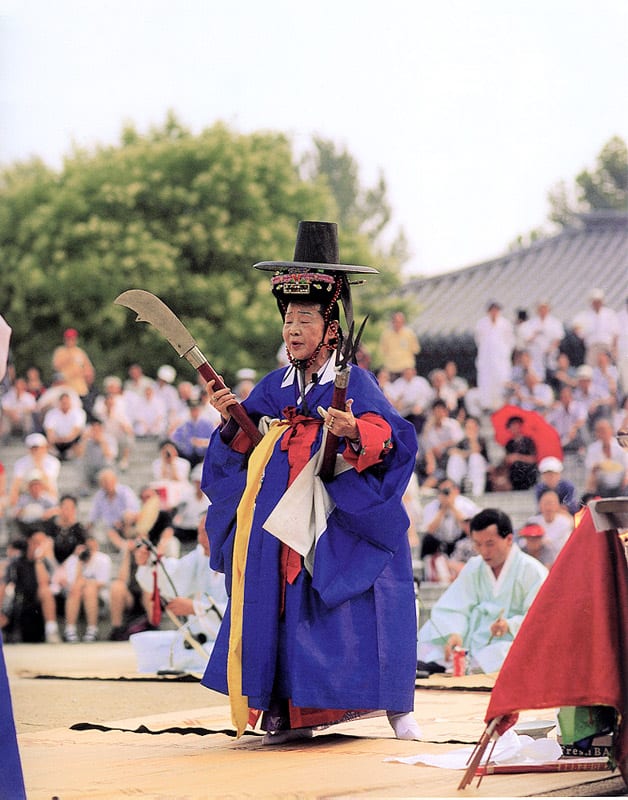
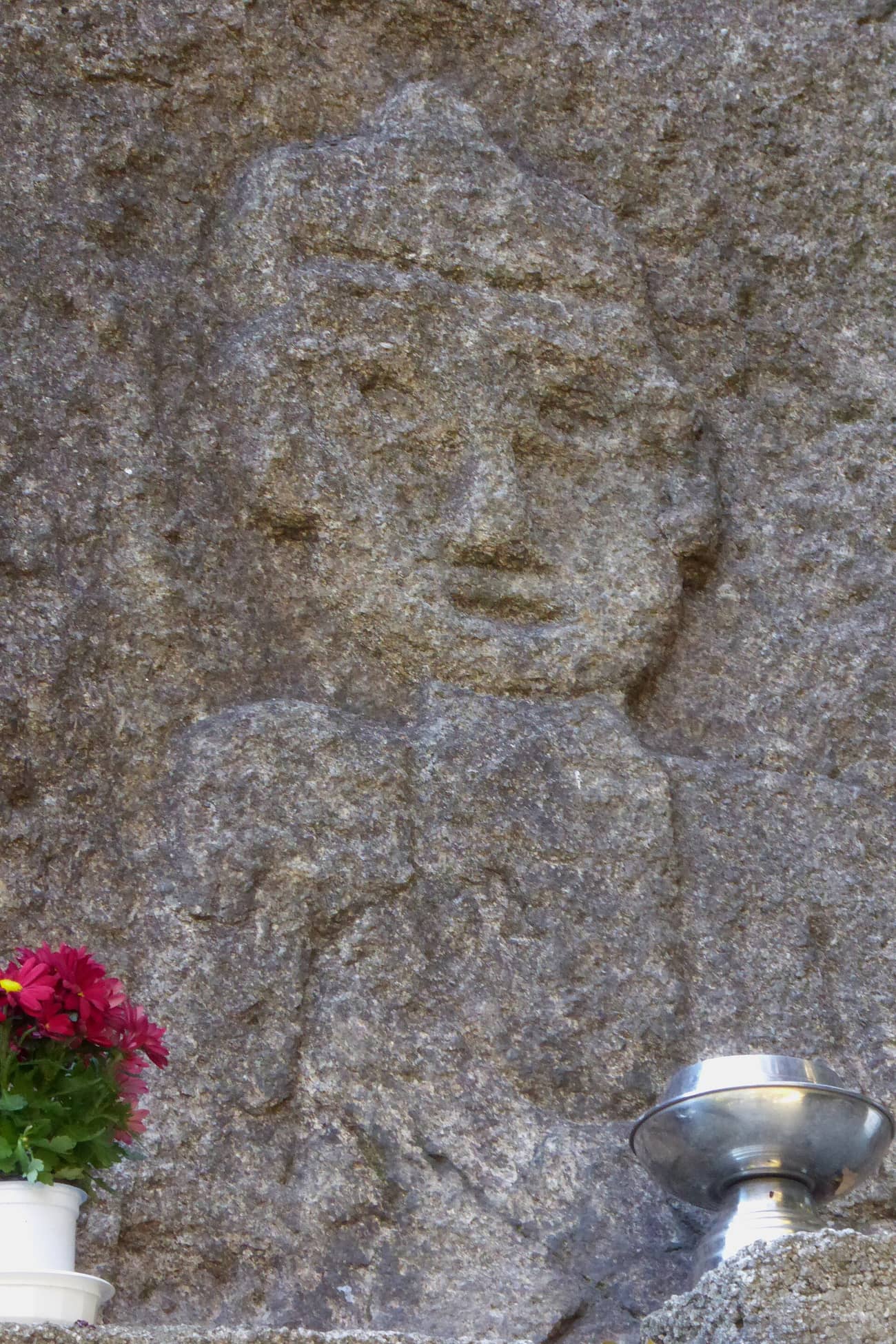
To console the restless dead, the villagers are said to have done something deeply rooted in Korean tradition: they built a shrine on the site. In Korean folk belief, spirits who die violently or without proper rites can become won-gwi — resentful ghosts who linger — and it is the shaman, the mudang, who mediates between such spirits and the living. So a shrine went up, and a shaman came to tend it, to keep the dead at peace. For foreign readers, this is the cultural heart of the story: this was not a haunted house in the Western sense, but a sacred place built specifically to hold grief and pacify the dead — which is precisely what makes what happened next feel like such a violation.
1977: Under the Eaves
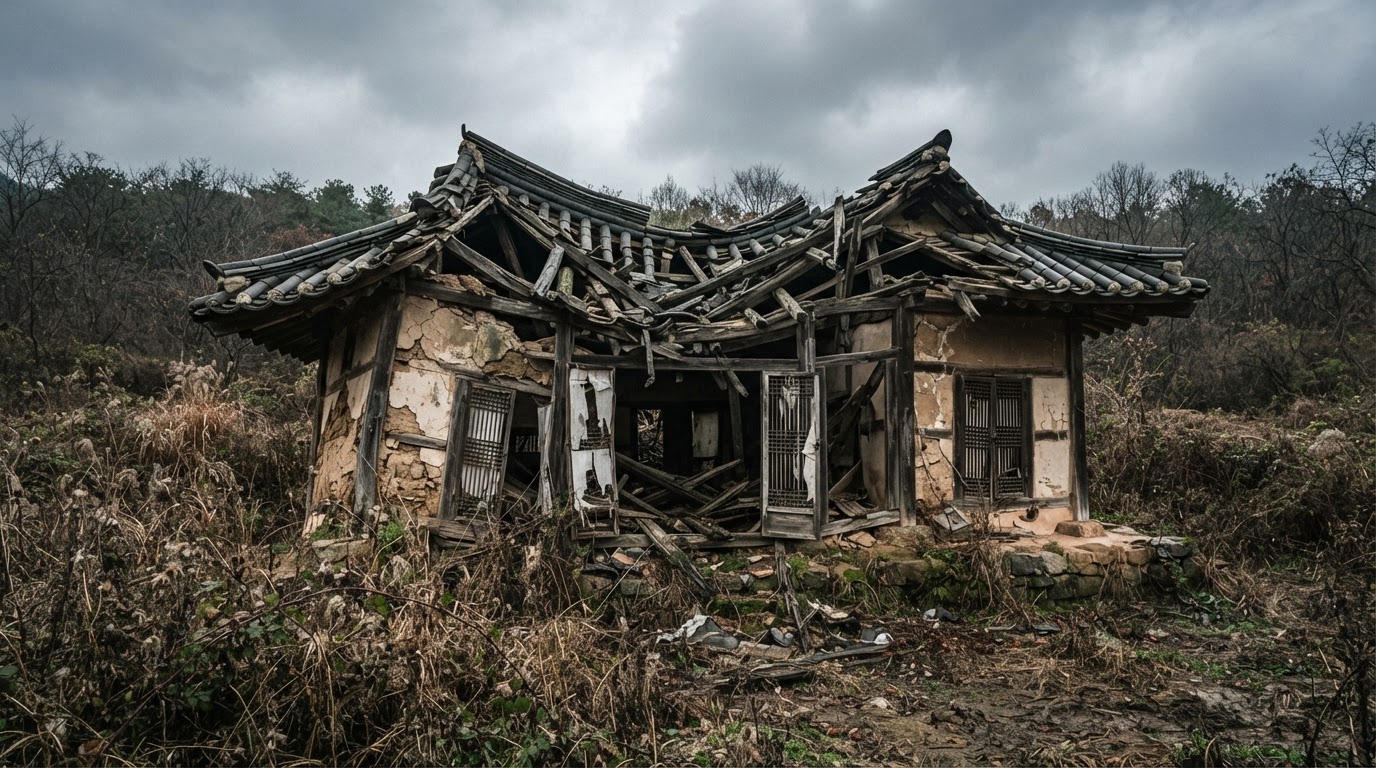
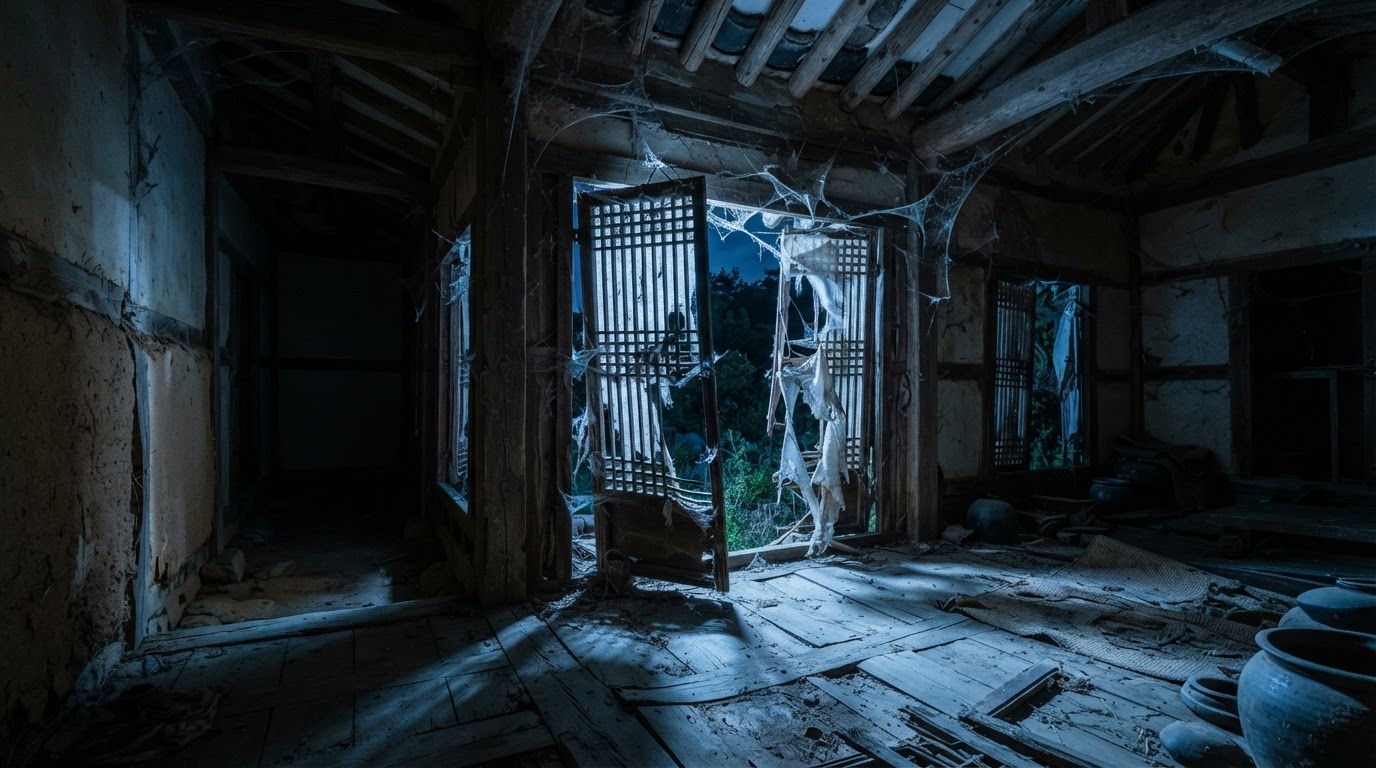
The shrine stood, and the shaman tended it, for roughly two decades. Then, in 1977, the shaman who kept the shrine was found dead — hanged beneath the eaves of the very building she had been placed there to protect.
The detail the villagers always emphasized, in every retelling, was the same: she had no reason to take her own life. No hardship, no despair anyone knew of, nothing that made sense of it. In the house built to comfort the dead, the person whose entire purpose was to comfort them had died. After that, the shrine was abandoned. No one would tend it. It became an empty building with a terrible weight on it.
The Village Walks Away
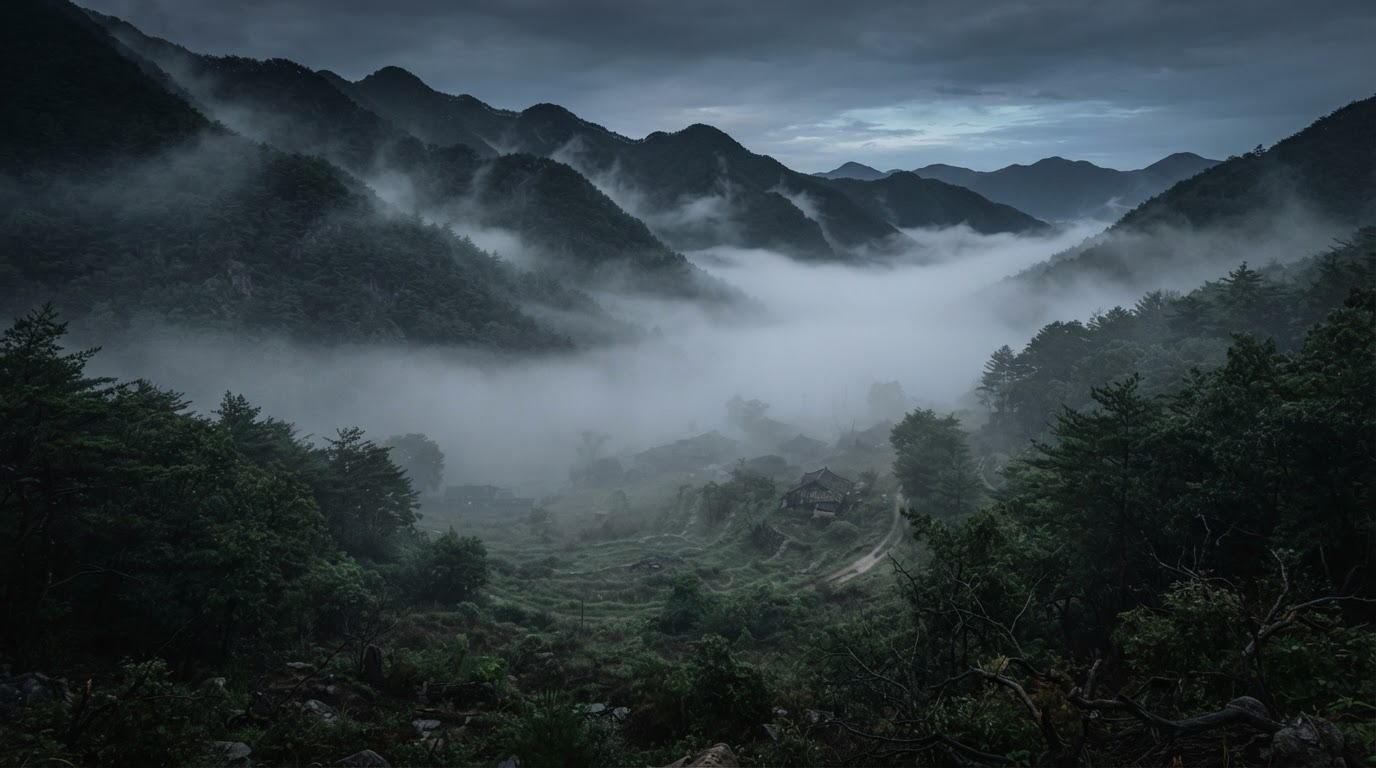
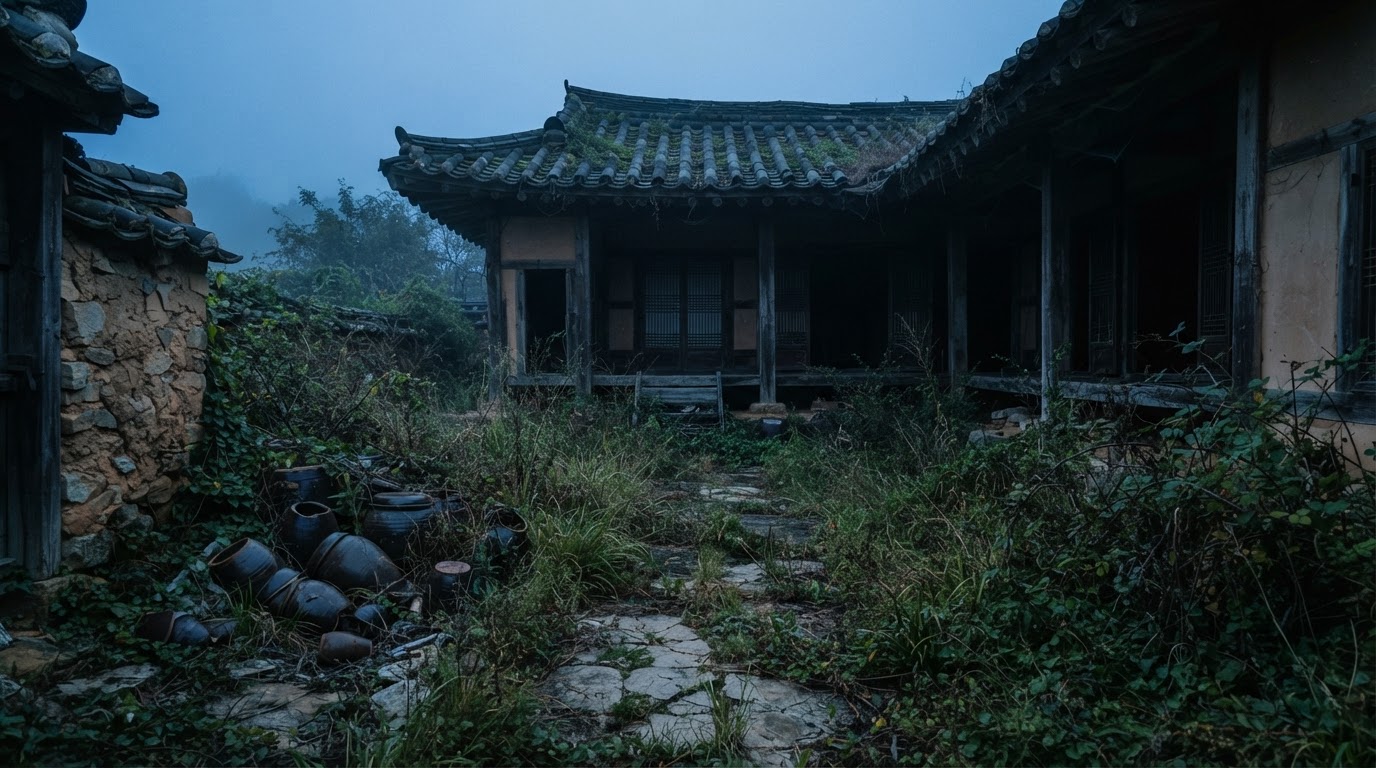
What happened next is the part of the story that gives it its strange, slow dread. It was not a single dramatic haunting. It was an exodus. One household after another, the families living near the abandoned shrine began to leave. The reasons they gave differed from family to family — strange sounds in the night, an inability to sleep, an unease no one could name — but the result was uniform. Slowly, quietly, the village emptied itself out. In the end, the whole place stood empty.
And then, in the emptied village, bodies began to appear. According to the accounts that circulate, in 1980 the body of an unidentified man in his forties was found, so badly deteriorated that he could not be identified. In 1997, the body of a woman was discovered, her face heavily damaged. A place where no one lived had become a place where unknown people were found dead. These are the claims passed down through local ghost-house lore; they should be read as the legend tells them, not as verified case records — but they are the reason the house's reputation hardened into something fearful rather than merely sad.
The Dare, and the Barrier
By the late 1990s, the empty house had become something else again: a destination for dam-nyeok — tests of courage. In Korean youth culture, visiting a notoriously haunted site at night to prove your nerve is a well-known ritual, and Gapdun-ri drew thrill-seekers from across the country.
Then, in the early 2000s, the story turned once more. A man in his thirties, there to test his courage, is said to have died of a heart attack inside the house. The remaining locals, worn down, asked the authorities to seal the place off — and the local government eventually restricted civilian access. Read that carefully, because it is the detail that lifts Gapdun-ri above an ordinary ghost story: the house was closed off not because people feared ghosts, but because people kept dying there. Whatever the cause, the pattern was real enough that officials chose to lock the door.
The House Today
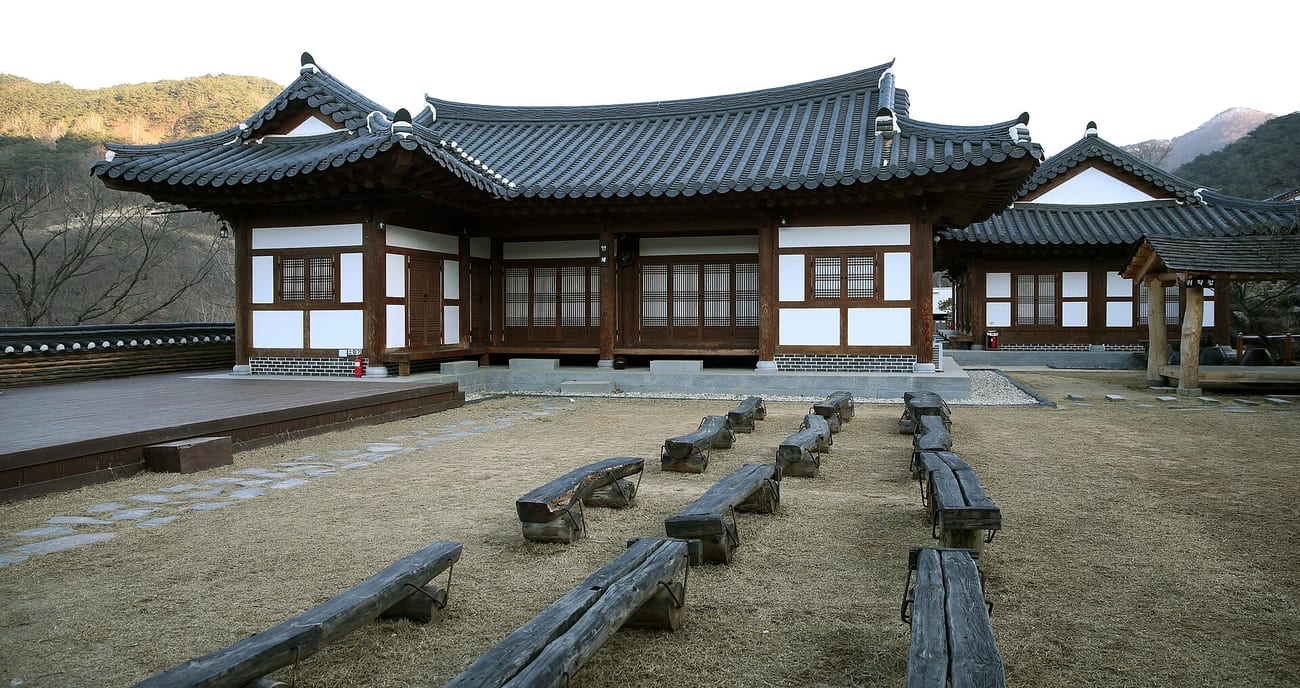
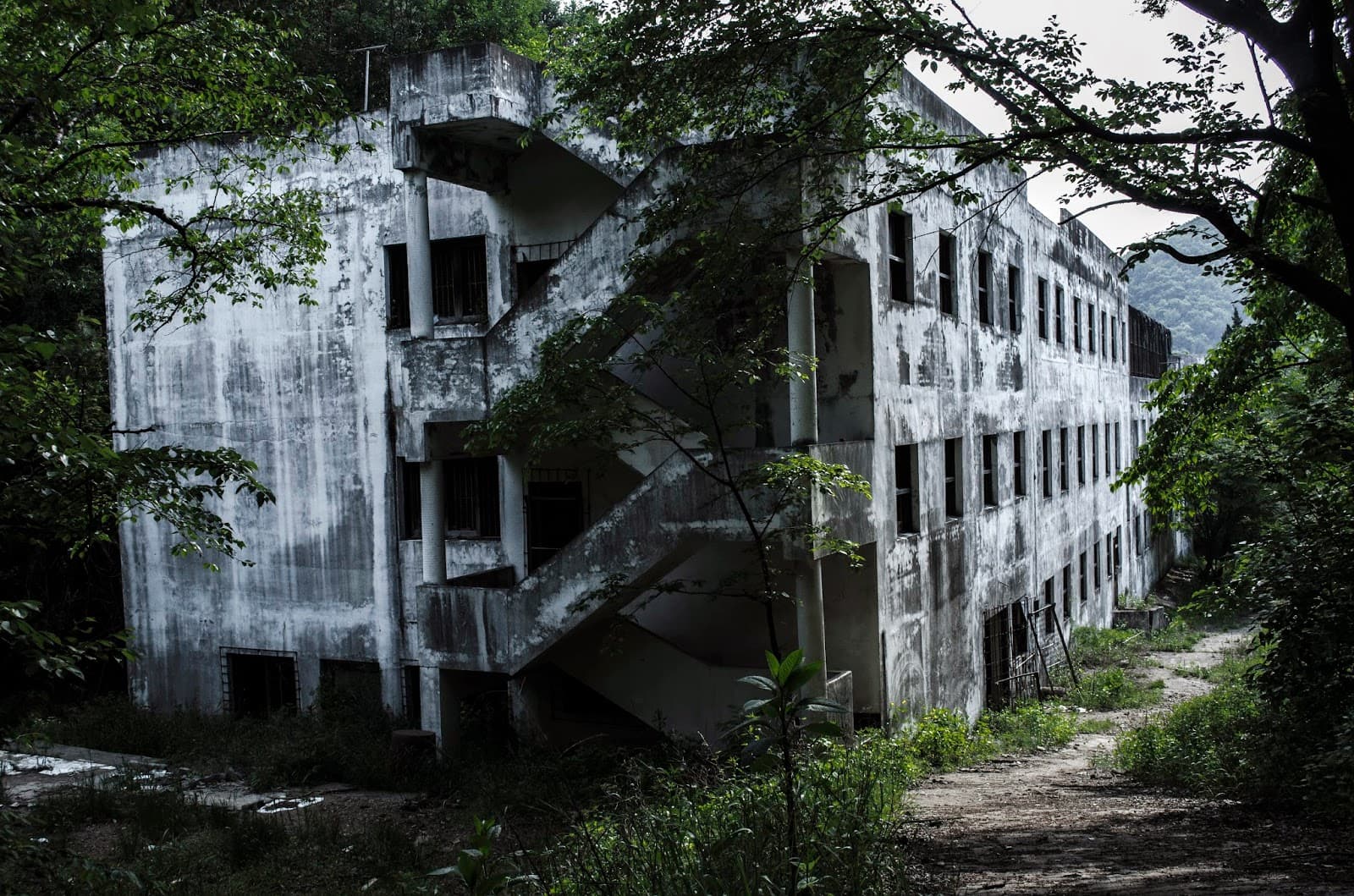
The site now sits beside a military installation and is ringed by wire fencing, which adds a layer of genuine, non-supernatural danger to any visit. Yet YouTubers and urban explorers still slip in along side paths to film it. And the reports of those who go in and come back out echo, almost word for word, what the villagers said decades ago: that after dark, you can hear what sounds like the screaming of many people at once.
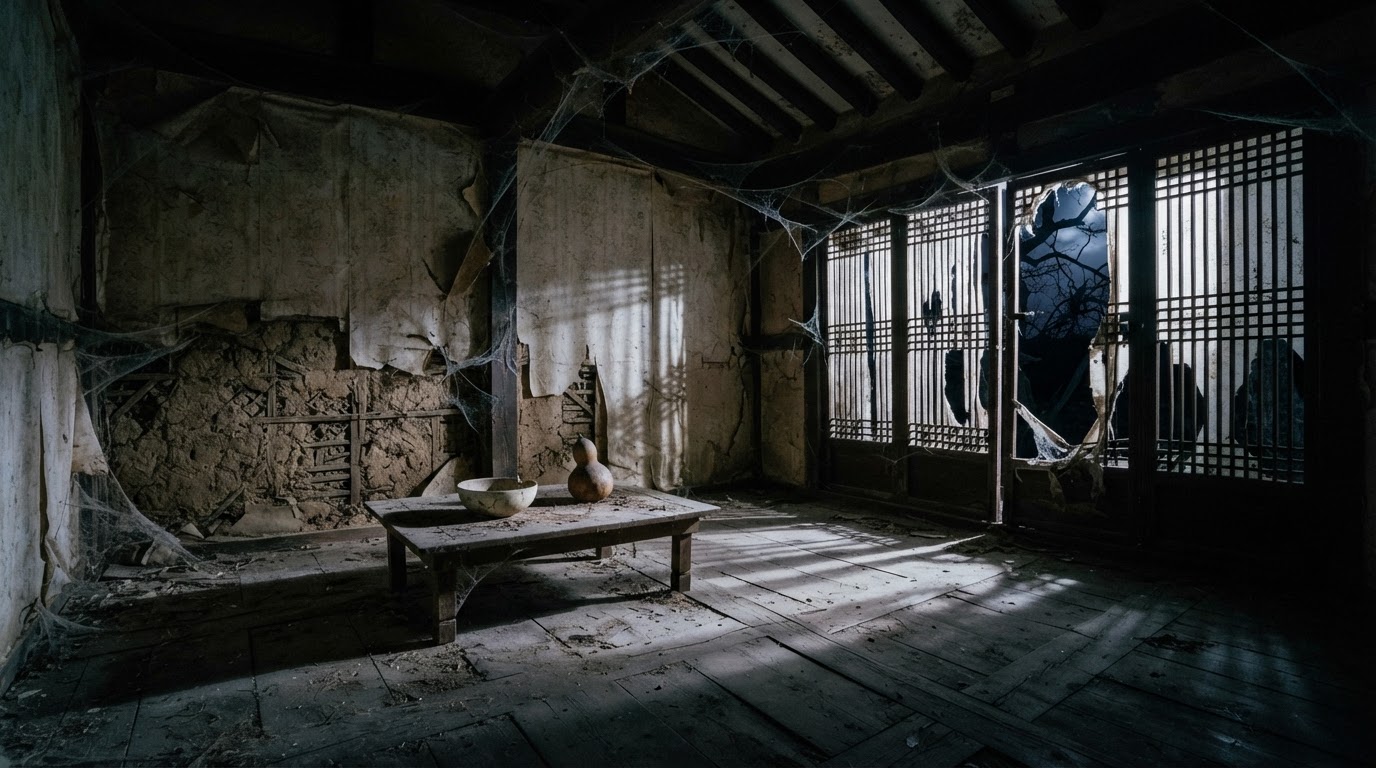
The place has become notorious enough that a Korean horror film was made about it, taking the house's own name as its title. But the strongest image the story leaves is quieter than any film. It is the last photograph the tale always ends on — a blackened doorway, and the invitation to peer, just for a second, into the dark beyond it. In the telling, that peek is enough. You are told, firmly, that you have looked long enough — and that you must never, ever actually go.
What We Know vs. What We Don't
Let's separate the layers honestly. What is documented and real is the backdrop: Gapdun-ri is a genuine village in Inje County, Gangwon Province; the Korean War did leave the mountains of this region scarred with the dead; and Korean shamanic tradition, with its shrines and its mediation of restless spirits, is a real and living part of the culture. The house's reputation is real too — it is widely and genuinely counted among Korea's most infamous haunted sites, and access to the area is in fact restricted.
What we cannot verify are the specifics that give the legend its horror: the tangled unidentifiable remains, the exact circumstances of the shaman's death in 1977, the unidentified bodies of 1980 and 1997, the courage-seeker's fatal heart attack. These come to us through oral tradition and ghost-house archives, retold and amplified over decades, and they should be held as legend rather than fact. Folk memory does not keep coroners' records.
What I keep circling back to is the manner of the leaving. Villages die all the time, and when they do it shows in the record — a closed school, a failed harvest, a road built somewhere else. Gapdun-ri has none of that. Household by household, each family gave its own small unremarkable reason, and none of them gave the same one, and the sum of those reasons was an empty valley. Ordinary explanations, arriving separately, adding up to something no one of them accounts for. That arithmetic is the part of the file I cannot balance.
But that gap between documented history and unverifiable legend is exactly where a story like this lives — and where it draws its power. Strip away every unproven claim and one sober fact remains: a real village in the Korean mountains, built on real war graves, really did empty out and fall silent, and the authorities really did seal it. The rest is what the human mind does with a silence like that. And the story ends the only way it can — with a warning that is half superstition and half plain good sense. You have looked into the dark doorway. That is enough. Do not go.
---
This article uses both genuine archival and on-site photographs and AI-generated images and video produced to convey the mood of the story.

Comments
No comments yet — leave the first one.